
The Brutal Reality of Wild Horse Roundups
The Harsh Truth Behind Wild Horse & Burro Roundups
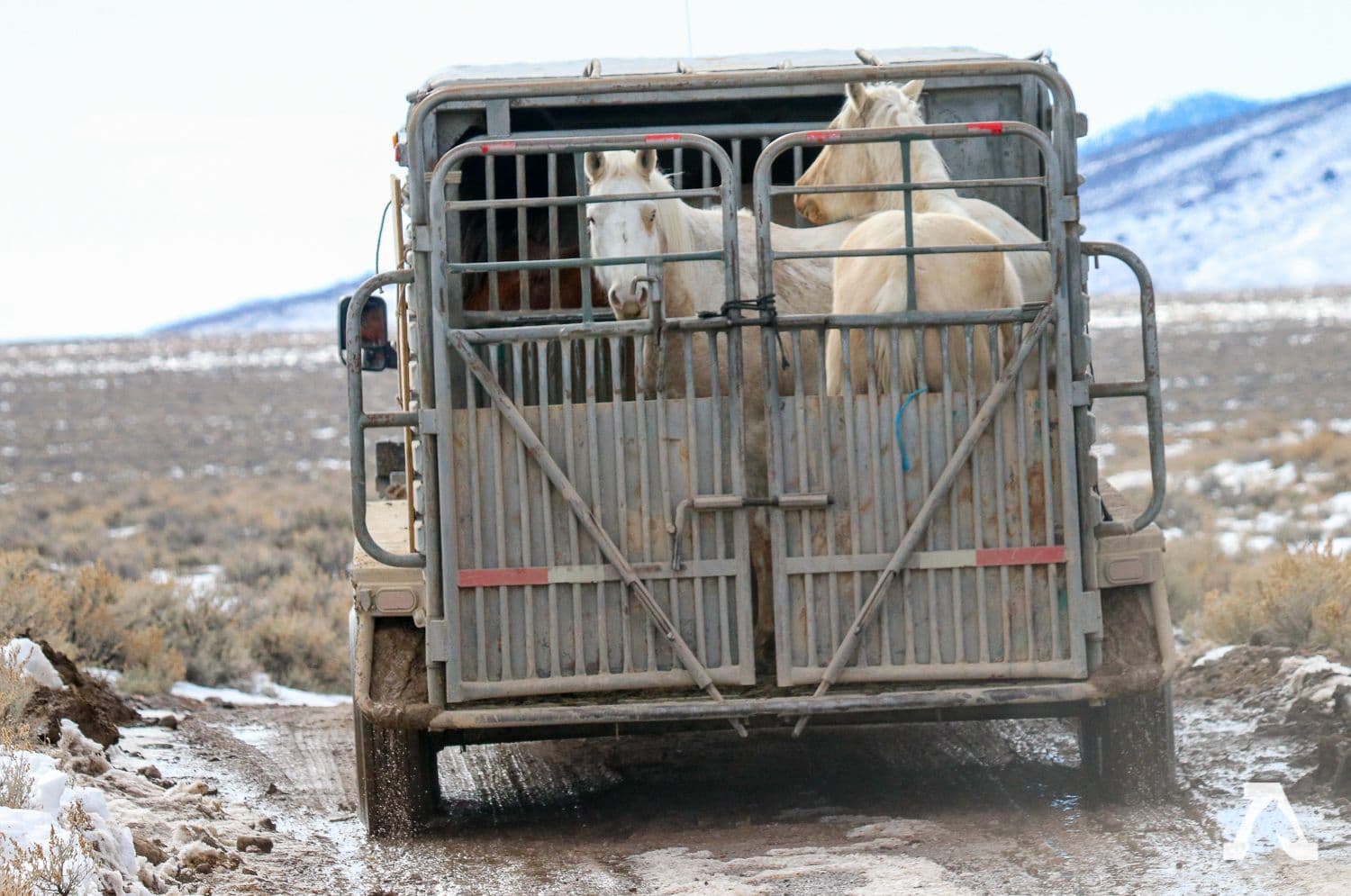
Each year, thousands of wild horses and burros are chased by helicopters, separated from their families, and confined in harsh holding facilities. This brutal practice, known as a roundup, causes immense suffering and threatens the survival of these iconic animals.
Imagine the terror of being relentlessly pursued, the deafening noise of helicopters overhead, and the heartbreak of family separation. Understanding the reality of roundups is crucial to taking action and safeguarding our wild horses.
The Devastating Impact of Roundups
Explore the critical issues surrounding wild horse roundups, from inhumane practices to ineffective management.
Inhumane Practices
Helicopters chase wild horses over vast distances, causing extreme stress, injuries, and often death. The noise and relentless pursuit leave the horses terrified and exhausted. This cruel practice results in broken families and severe physical and psychological trauma for the animals. Once wild horses and burros are rounded up, they are funnelled into federal holding facilities where they are held, sometimes for life, separated from all they hold dear.
Ineffective Management
Roundups trigger compensatory reproduction, where the removal of horses leads to higher birth rates among the remaining population. The National Academy of Sciences report states, "Management boosts horse population growth." Instead of controlling populations, roundups exacerbate the problem, leading to more frequent and costly roundups.
Financial Drain on Taxpayers
The cost of warehousing wild horses in holding facilities is a financial burden on taxpayers, amounting to tens of millions of dollars annually. These funds could be better allocated to humane and effective management solutions that ensure the well-being of wild horses.
Threat to Wild Horse Populations
Over 60,000 wild horses are currently held in captivity with no prospects for release. BLM data shows a continuous increase in the number of horses in holding facilities, jeopardizing the long-term survival of wild horse populations as more are removed from the wild each year.
Our Commitment to Ending Inhumane Roundups
Learn how AWHC is actively working to end the practice of roundups and promote humane, effective wild horse management.
Advocating for Policy Change
AWHC is dedicated to advancing legislation that prohibits inhumane roundups and promotes humane management practices. We work closely with lawmakers to ensure the protection of wild horses and burros.
- Legislative Advocacy: Working with Congress to pass protective laws
- Policy Reform: Pushing for policy changes that favor humane management
- Public Awareness: Raising awareness about the cruelty of roundups
- Legal Action: Filing lawsuits to defend wild horses against inhumane practices
Stay Informed and Take Action
Learn how AWHC is actively implementing solutions to protect wild horses and burros, ensuring their well-being and preserving their natural habitats.


