
A Gentler Roundup: Humane Wild Horse Management
Wild Horse Management
Read time: Three Minutes
Published: February 6, 2015
Written by:
AWHC Contributor
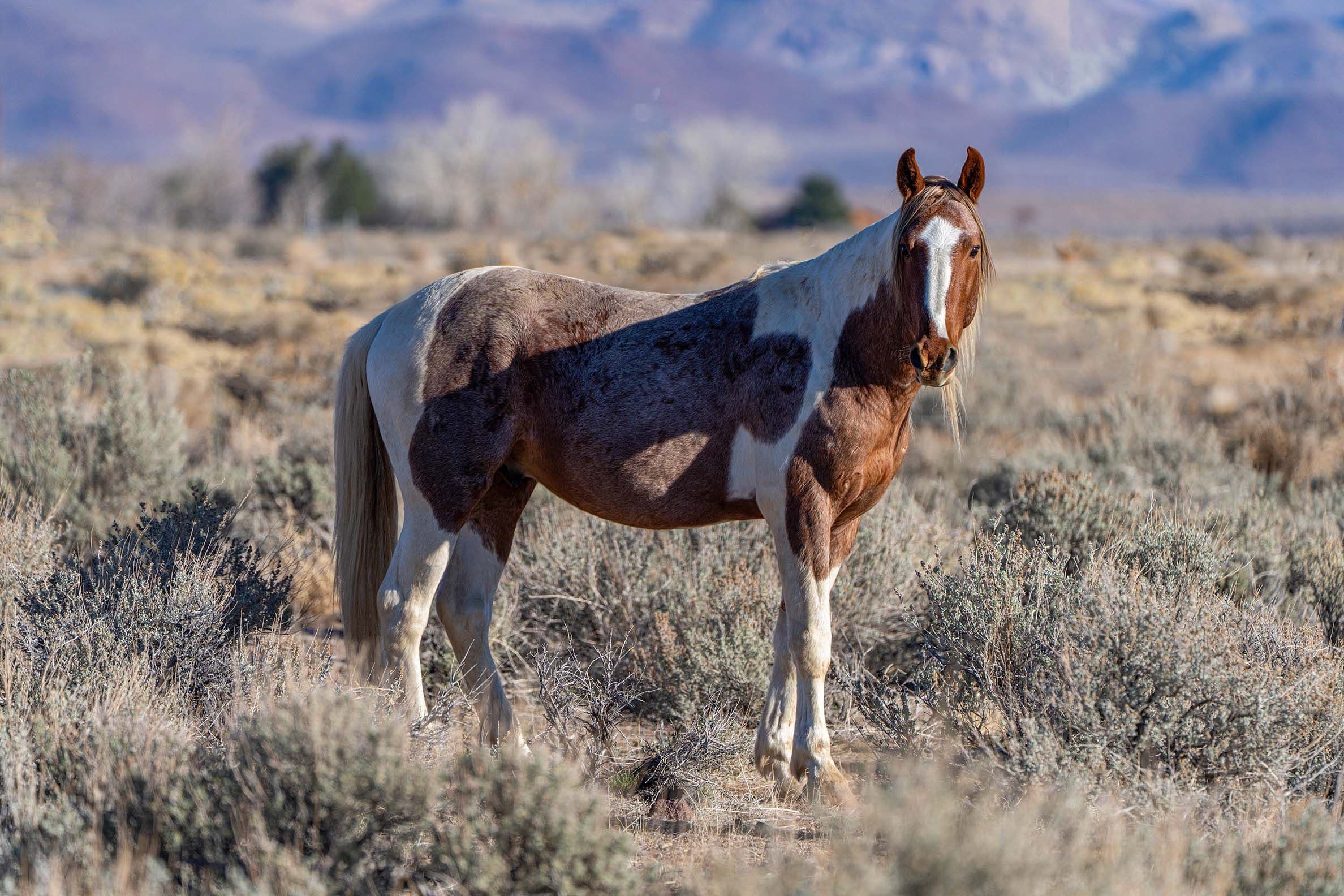
Wild horse advocate TJ Holmes is dedicated to thehumane managementof wild horse populations in Disappointment Valley, north of Dolores. Armed with a specialized dart gun, she hikes for hours to administer porcine zona pellucida (PZP), a form of animal birth control, to specific mares. This effort is part of a broader strategy to control the population of the Spring Creek Basin Herd, which currently numbers around 60.
Effective Population Control
Holmes, a Bureau of Land Management (BLM) volunteer and board member of the Colorado chapter of the National Mustang Association, has been monitoring the herd for years. She notes, "The darting program has been very effective in preventing them from conceiving, so we’ve been able to reduce the rate of growth for the herd." This control is crucial as the 20,000-acre protected range can only support a limited number of animals.
Thanks to the success of thePZPprogram, noroundupshave been necessary since 2011. However, Holmes acknowledges thatroundupsmay still be needed as populations can outpace birth control efforts, albeit at a slower rate.
Advocating for Bait-Trapping
Whenroundupsare required, horse advocacy groups urge theBLMto use bait-trapping instead of helicopter roundups, which have been controversial due to the stress they place on horses and the potential for foal deaths. Holmes explains, "With bait-trapping, horses can be coaxed into corrals on a voluntary basis with more control and less stress on the animal."
In August 2014, a bait-trapping proposal was submitted to the Tres RiosBLMoffice by the National Mustang Association, in collaboration with the Four Corners Back Country Horsemen and Mesa Verde Back Country Horsemen. An environmental assessment is underway, and the public comment period on bait-trapping forroundupshas been extended until February 28.
Maintaining Rangeland Health
BLMfield manager Connie Clementson states that the target population for the herd is 35 to 65, with an ideal population of 50. "Maintaining those levels are needed to meet the standards of rangeland health," she said.
Bait-trapping involves using water, mineral blocks, or hay at predetermined locations to lure certainmustangsinto corrals with remote-controlled gates. The process can take days or even weeks, with sections of corrals being installed over time until capture. Holmes adds, "We arrange the corrals so that those we want to keep in the wild population can escape."
Continued Efforts in Contraception
Holmes continues her efforts in horse contraception, which costs $30 per mare. She approaches individual horses with a dart gun, aiming for the rump from within 50 yards. "The air gun is not a sharp crack like a gun, so it’s less frightening for them. They are wild and still very wary, even of me," she said.
Access to the Spring Creek Basin Herd Management Area is between Norwood and Dove Creek in Disappointment Valley. The main entrance from the west is via San Miguel County Road 19Q, also known as Disappointment Road. The public is encouraged to drive through the area to view wildmustangsin their natural habitat.
Submit hard copy comments to:BLMTres Rios Field Office, Attn: Lindsey Eoff, 29211 Highway 184, Dolores, CO. 81323, or by email toleoff@blm.gov
Originally Posted By The Cortez Journal
Subscribe to our newsletter: