
American Wild Horse Conservation applauds Congressional action to promote transparency and accountability in wild horse management
Press Releases
Read time: Three Minutes
Published: June 12, 2026
Written by:
AWHC Contributor
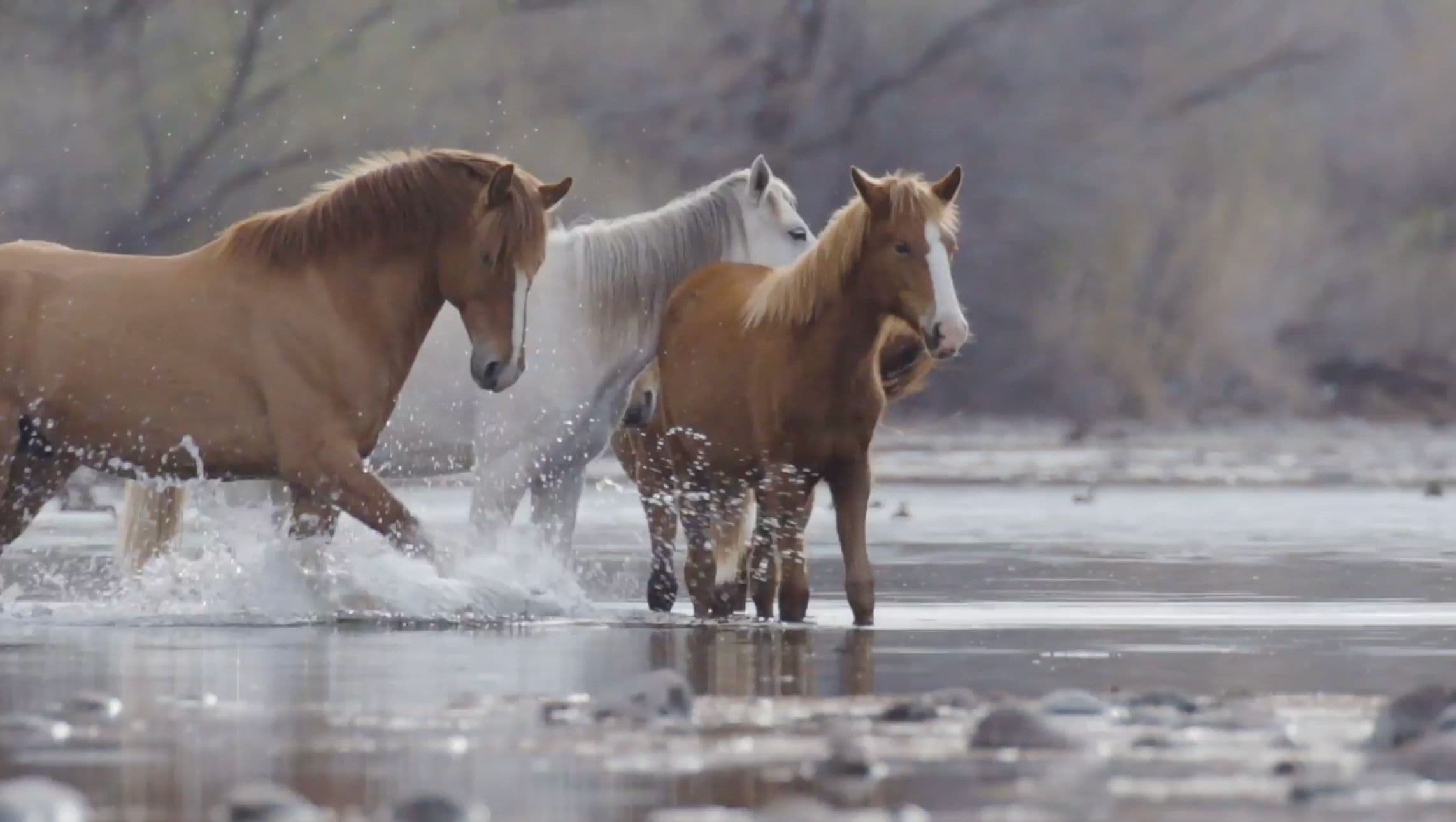
WASHINGTON, D.C. (June 12, 2026) — American Wild Horse Conservation (AWHC), the nation's leading wild horse advocacy organization, today applauded Representatives Juan Ciscomani (R-Ariz.) and David Schweikert (R-Ariz.) for their efforts to ensure that wild horse management decisions affecting Arizona's iconic Salt River and Heber wild horse herds are conducted fairly, transparently, and in accordance with applicable state and federal laws.
Public support for wild horses was highlighted this week by the Arizona House of Representatives passing S.B.1199, a bill that seeks to improve protection and management of the Salt River horses. This latest measure is in response to the U.S. Forest Service’s ongoing efforts to remove large numbers of these beloved horses, despite the Salt River Wild Horse Act (Arizona Revised Statute § 3-1491) only allowing removal for humane purposes. The Salt River Wild Horse Act was passed in 2016 to prevent the removal of these horses and clearly demonstrates Arizonans’ wish that these horses be allowed to remain wild.
The lawmakers recently contacted the U.S. Department of Agriculture to seek greater oversight and accountability regarding management actions impacting the two beloved wild horse populations. Their leadership reflects growing public interest in ensuring that decisions affecting America's wild horses are made through transparent processes that consider both legal requirements and the views of the American people.
“Wild horses embody the spirit and heritage of the West and are beloved by Arizonans. These animals deserve to be protected and treated humanely,” said Rep. Juan Ciscomani. “For too long, the Salt River and Heber horses have faced cruel and improper removal, and we must ensure they receive the protections they deserve. As Co-Chair of the bipartisan Congressional Wild Horse Caucus, I remain committed to advancing humane policies and continuing to elevate these concerns on the federal level.”
While the Salt River and Heber herds are unique to Arizona, the issues raised by the lawmakers have national significance. The U.S. Forest Service manages approximately 7,100 wild horses and 900 wild burros across 53 wild horse and burro territories throughout the western United States. Management decisions made by the agency affect thousands of federally protected animals and the public lands they inhabit.
"We are grateful to Representatives Ciscomani and Schweikert for continuing to make the humane management of our nation's wild horses a priority," said Patricia Miller, executive director of American Wild Horse Conservation. "Congressional oversight plays an important role in ensuring that federal agencies remain accountable to the public – which overwhelmingly supports protections for wild horses and burros – and follow the laws designed to protect these iconic animals."
AWHC believes that transparency, public engagement, and science-based management are essential components of responsible wild horse stewardship. The organization supports efforts that ensure management actions are guided by sound science, comply with applicable laws, and reflect the strong public support Americans have consistently demonstrated for protecting wild horses and burros on public lands.
Related Tags:
Subscribe to our newsletter: