
America's Rangelands Damaged by Overgrazing: A PEER Report
Livestock
Read time: Three Minutes
Published: March 5, 2020
Written by:
AWHC Contributor
America’s Rangelands Deeply Damaged by Overgrazing
Figures Show Vast Areas FailingBLM’s Own Rangeland Health Standards
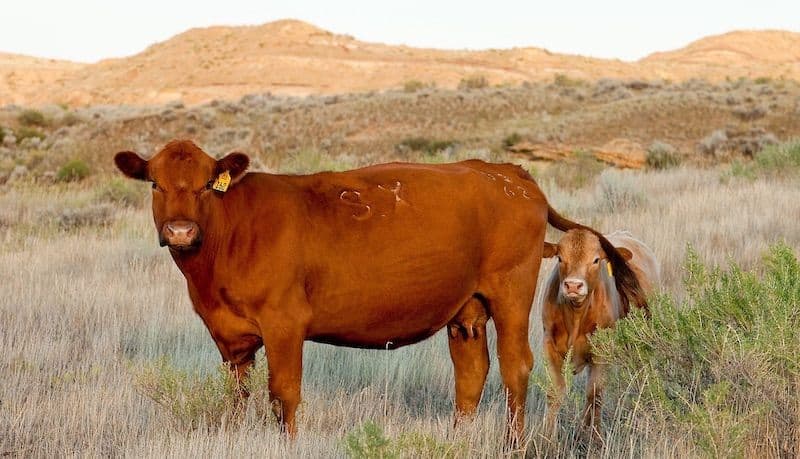
(March 5, 2020) Washington, DC — The Bureau of Land Management’s most recent data on the health of federal rangelands reveal extensive damage from excessive commerciallivestockgrazing, according to figures posted today by Public Employees for Environmental Responsibility (PEER). Last month,BLMannounced its intent to rewrite its grazing rules without specifying the measures it is considering.
BLM’s Standards for Rangeland Health prescribe the minimum quality of water, vegetation, and soils, as well as the ability to support wildlife, required by the agency for permittinglivestockgrazing. The most recent (2018) rangeland health report onBLMgrazing allotments across 150 million acres in 13 Western states shows:
- Of total acres assessed, 42% fail to meet BLM Standards for Rangeland Health, totaling nearly 40 million acres, approximately the area of Washington State;
- The largest portion (70%) of range health failure is due to livestock overgrazing in allotments covering nearly 28 million acres, an area the size of Pennsylvania; and
- These figures are underestimates because nearly 40 percent of these federal rangelands – nearly 59 million acres or an area about the size of Oregon – have never been assessed.
“By its own yardstick,BLMis a poor steward of our federal rangeland,” stated PEERAdvocacyDirector Kristen Stade, noting that the fee for grazing on public rangelands, set this year at its lowest allowable rate of $1.35 per animal unit month, is a fraction of rates for grazing on comparable private or state lands. “These ultra-low fees appear to subsidize land abuse.”
BLMno longer displays rangeland health data, which was once available to the public on the agency’s website for years dating back to 1989. Despite promising improved new data reporting and mapping standards in 2016, the agency has removed updated information on range health from its website altogether. The newest rangeland health data is from 2018 and was obtained by PEER from the agency.
A PEER Freedom of Information Act lawsuit againstBLMseeks information explaining the basis forBLMimposing a grazing fee at the statutory minimum.
In a Federal Register notice of January 21, 2020,BLMannounced that it was considering a revision of all “applicable regulations governing the grazing program in the continental United States” including steps “Promoting land health. Considering where and how theBLMwill evaluate the Land Health Fundamentals and Standards.”
“Despite its vast Western hoofprint,BLM’s grazing program is now a fact-free zone,” added Stade, pointing to PEER’s online database showing the land health status ofBLMallotments overlaid with real-time satellite data from Google Earth. “Nonprofit groups and researchers should not have to fill in massive data gaps on the condition of lands that belong to all of us.”
See 2018 RIME report data
See BLM’s broken promise to improve mapping and data reporting
Examine previous BLM land health figures
Look at BLM notice of proposed new grazing regulations
Read PEER’s comments on BLM’s notice
View PEER’s spatial grazing database of land health data as of 2012
Subscribe to our newsletter: