
>
stories
>
awhc criticizes us forest service for selling protected california wild horses at 1 each 7554
AWHC Criticizes U.S. Forest Service for Selling Protected California Wild Horses at $1 Each
Press Releases
Read time: Four Minutes
Published: February 16, 2021
Written by:
AWHC Contributor
U.S. Taxpayers to Fund Transportation of Wild Horses Purchased Under New Plan by U.S. Forest Service
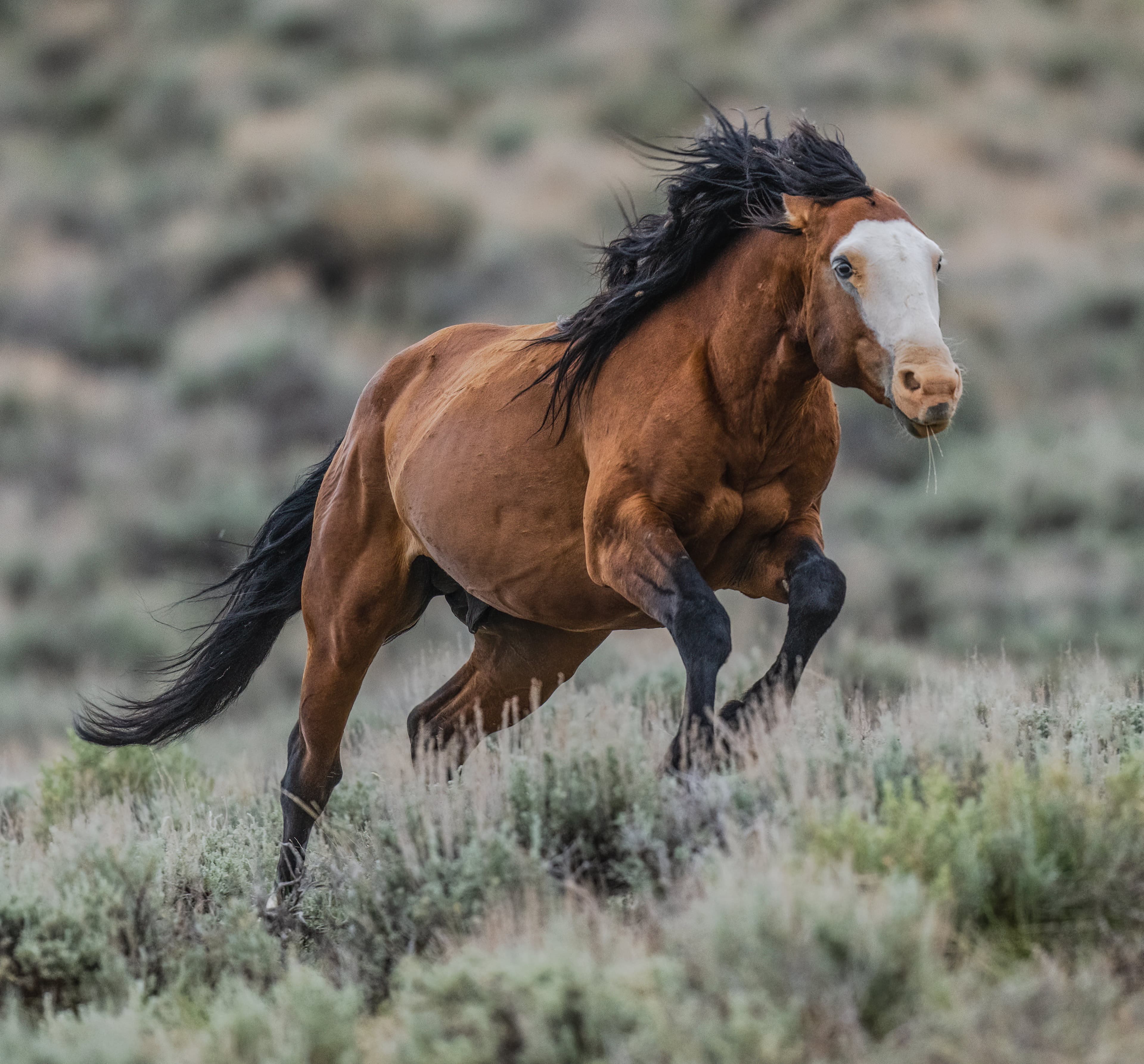
ALTURAS, CALIF (February 16, 2021) Today,The American Wild Horse Conservation (formerly American Wild Horse Campaign)(AWHC), the nation’s leading wild horseadvocacyorganization, blasted the U.S. Forest Service forits planto sell California wild horses for $1 apiece, charging that the policy will lead to the slaughter of these federally protected icons. The horses in question were rounded up in September frompublic landswithin the Devil’s Garden Wild Horse Territory in the Modoc National Forest near Alturas, CA.
Using taxpayer funds, the U.S. Forest Service is also offering free transportation across the country to anyone who can move a “load” of horses to a particular region, pending approval of their sales applications. Currently, the agency allows one person to purchase up to 24mustangsat a time.
“Allowing these magnificent California wild horses to be purchased in bulk -- and so cheaply -- provides no safeguards for their welfare,” saidSuzanne Roy, Executive Director of the AWHC. “It’s an open invitation to buyers with ill intent, and an avenue to circumvent the Congressional ban that prohibits the U.S. Forest Service from selling them for slaughter.”
The Modoc National Forest currently has no agency-wide system to vet potential buyers, and has been less than transparent about the number of horses remaining at the corrals, the number of horses being shipped, and protocols in place to ensure that federally protected horses are not being sold to slaughter. The lack of oversight promptedmembers of Congressto call for a moratorium on sales, adoptions, and transportation of themustangs, and request that the Department of Agriculture require the U.S. Forest Service to implement agency-wide sales, adoption, and transportation policies to protect the wild horses. No meaningful action was taken in response to the Congressional letter.
“The U.S. Forest Service knows well the danger of selling wild horses so cheaply, and yet they are still dumping them as if they are trash,” Roy continued. “We're hoping the new administration will rein in the U.S. Forest Service to force them to be accountable to the American public for their treatment of these cherished wild horses, who are protected as important national symbols of freedom.”
The Modoc Forest wild horse roundup program has been fraught with controversy since 2018, when the U.S. Forest Service announced it intended to sell captured wild horses for slaughter. The plan drew widespreadpublic oppositionand outrage from federal and state officials, including U.S. SenatorDianne Feinstein, former California Attorney GeneralXavier Becerra, 23 Californiastate legislators,64 membersof the House of Representatives. This led tostate legislationand afederal prohibitionon the U.S. Forest Service’s sale of wild horses for slaughter.
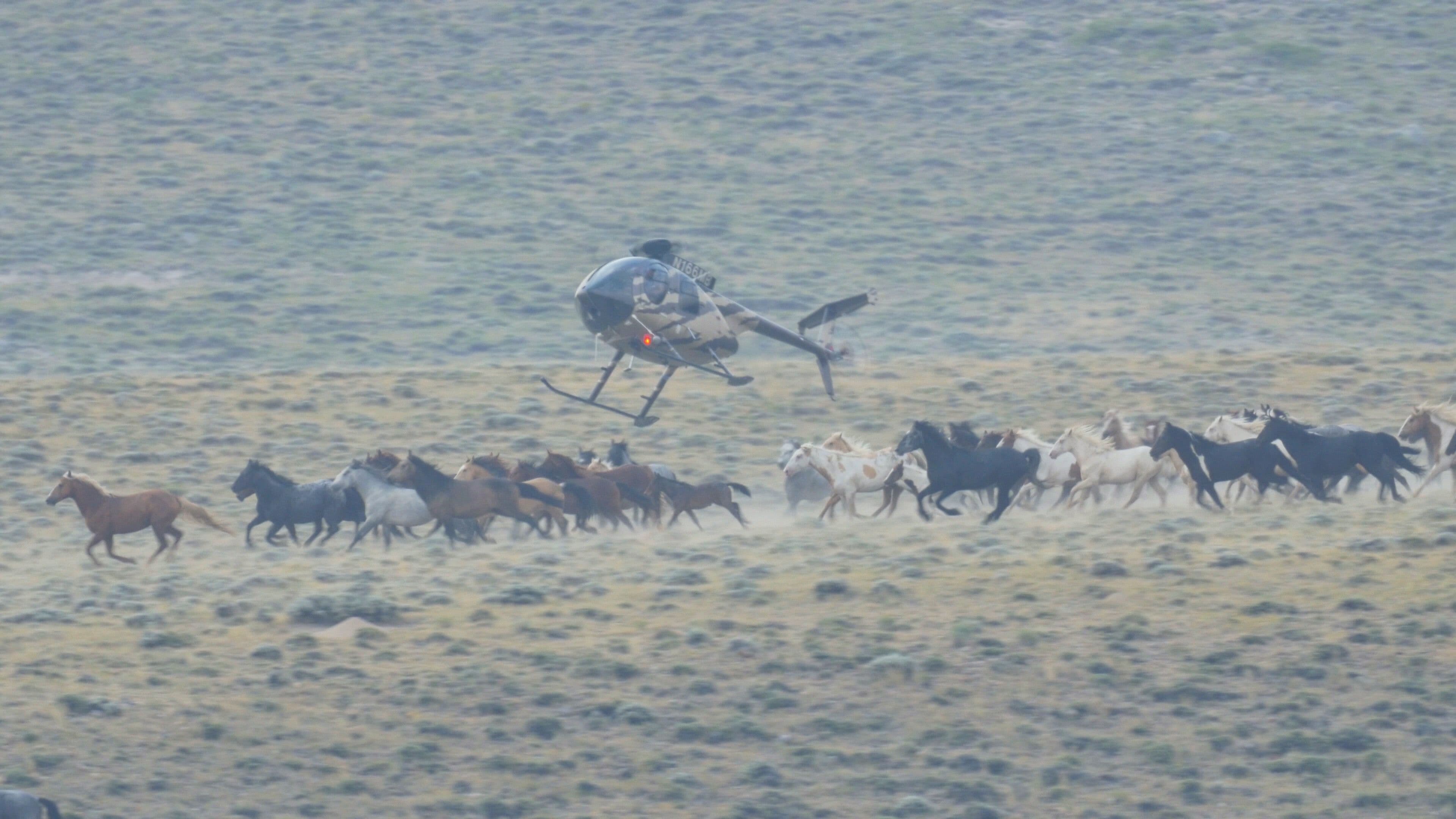
Under pressure from ranchers who want to use the Devil’s Garden Wild Horse Territory for private cattle grazing, the U.S. Forest Service hasbrutally rounded upand removed 1,937 wild horses frompublic landsthere since 2018.
A chronology of events surrounding the Devil’s Garden wild horses can be foundhere.
The American Wild Horse Conservation (formerly American Wild Horse Campaign) is the nation’s leading wild horse protection organization, with more than 700,000 supporters and followers nationwide. AWHC is dedicated to preserving the American wild horse and burros in viable, free-roaming herds for generations to come, as part of our national heritage. In addition to advocating for the protection and preservation of America’s wild herds, AWHC implements the largest wild horse fertility control program in the world through a partnership with the State of Nevada for wild horses that live in the Virginia Range near Reno.
###
Subscribe to our newsletter: