
BLM Criticized for Selling Horses for Slaughter
Roundups
Read time: Three Minutes
Published: April 17, 2014
Written by:
AWHC Contributor
CHEYENNE, Wyo. (AP) — TheBureau of Land Managementrounded up a horse herd that roamed for decades on federal land in northwest Wyoming and handed the horses over to Wyoming officials. They, in turn, sold the herd to the highest bidder, a Canadian slaughterhouse.
Wild horse advocates are incensed, saying they should have had a chance to intercede in the March roundup and auction. But theBLMsays the horses were abandoned — not wild — and that it publicized the sale beforehand.
According to theBLM, the Wyoming horses weren't officially wild and protected by the Wild-Free Roaming Horses and Burro Act, the federal law for maintaining many of the horse herds, some of which have roamed free in the West since the days of Spanish explorers more than 300 years ago.
TheBLMbans wild horses from being sold for slaughter. Anybody who adopts a wild horse from theBLMmust agree to provide it a home.
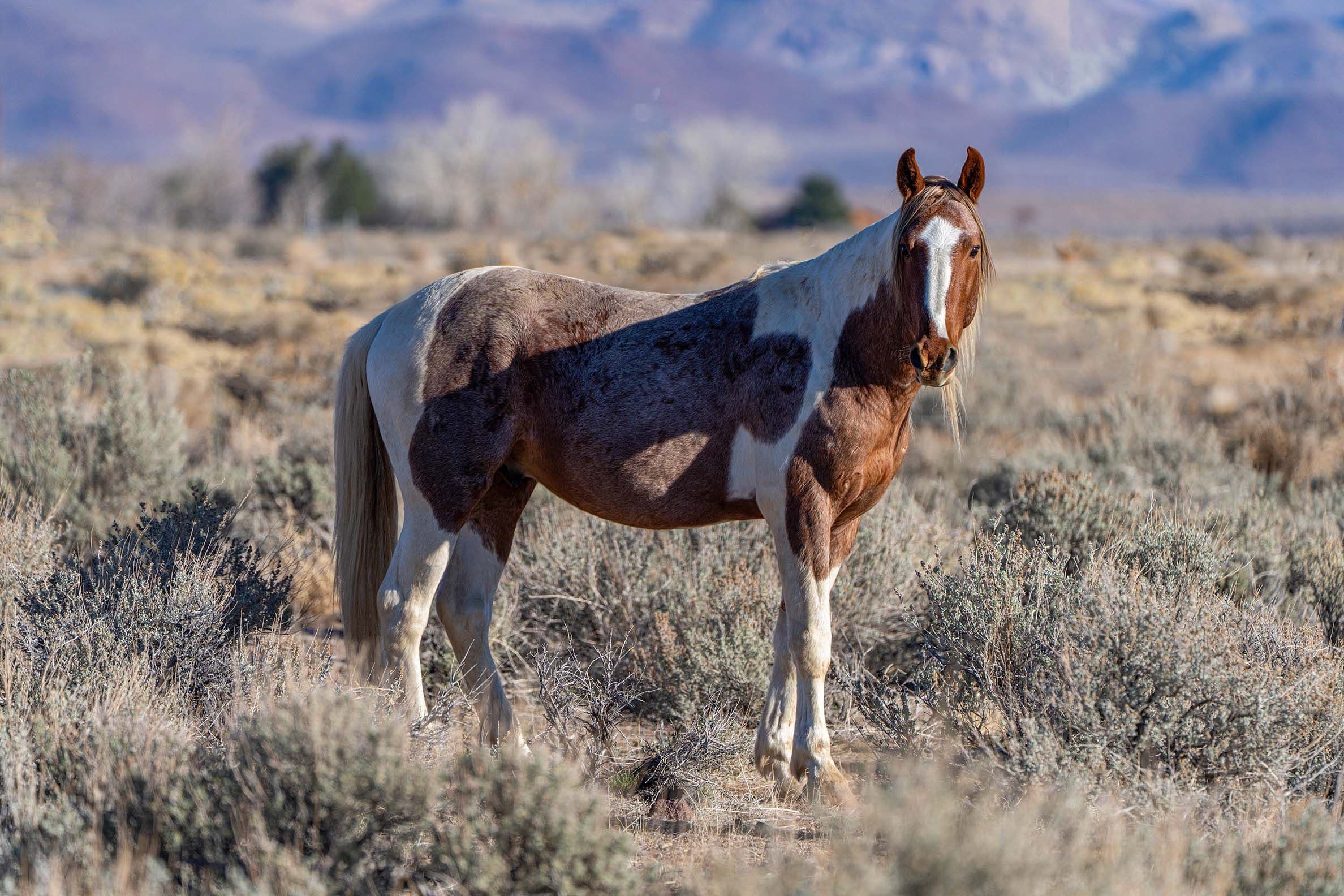
The horses in the Bighorn Basin's sagebrush hills descended from stray rodeo horses that were owned by Andy Gifford, a rancher and rodeolivestockcontractor, in the 1970s,BLMspokeswoman Sarah Beckwith said. Gifford had claimed the horses as his but never rounded them up before he died in 2009. That, plus the fact that the horses never interbred with wild horses, officially classified them as strays.
"Nobody had a permit to have these horses grazing onpublic lands," Beckwith said.
King questions thatpolicy. "How long does a horse have to live wild and free before it's considered wild?" she said.
Area ranchers and farmers had long complained the herd grazed down pastures and damaged cattle rangeland.
On March 18 and 19, aBLMcontractor rounded up the 41 horses and handed them over to Wyoming officials. Within hours, the horses were sold for $1,640 to Bouvry Exports, a slaughterhouse based in Calgary, Alberta.
TheBLMfollows state laws for handling straylivestock, Beckwith said, and had no option but to hand the horses over to the WyomingLivestockBoard, a state agency. The state took three bids for the horses, state Brand Commissioner Lee Romsa said.
Bouvry Exports shipped the horses out of state, Romsa said. Phone messages for Bouvry Exports weren't immediately returned.
BLMofficials had printed notices on the upcoming roundup in local newspapers and posted notices in local post offices.
The roundup wasn't unprecedented. Last summer, a federal judge allowed an American Indian tribe to sell 149mustangsover the objection of critics who claimed the unbranded animals were federally protected wild horses. Themustangswere among more than 400 on U.S. Forest Service land along the Nevada-Oregon line that the Fort McDermitt Paiute-Shoshone Tribe claimed belonged to them.
In the end, King said, more than 160 were sold to people who planned to take them to slaughterhouses in Canada and Mexico, but local residents and rescue groups raised money to buy 150 of the horses to spare them.
TheBLMrounds up straylivestockperhaps three or four times a year in the West. Usually they are cattle or sheep. Impoundments of large numbers of stray horses are far less frequent, said Robert Bolton, a senior rangeland management specialist for theBLM.
Originally Posted By Associated Press
Subscribe to our newsletter: