
BLM Wild Horse Gather: A Turning Point in Management
Wild Horse Management
Read time: Three Minutes
Published: September 13, 2013
Written by:
AWHC Contributor
By Nancy Lofholm, The Denver Post
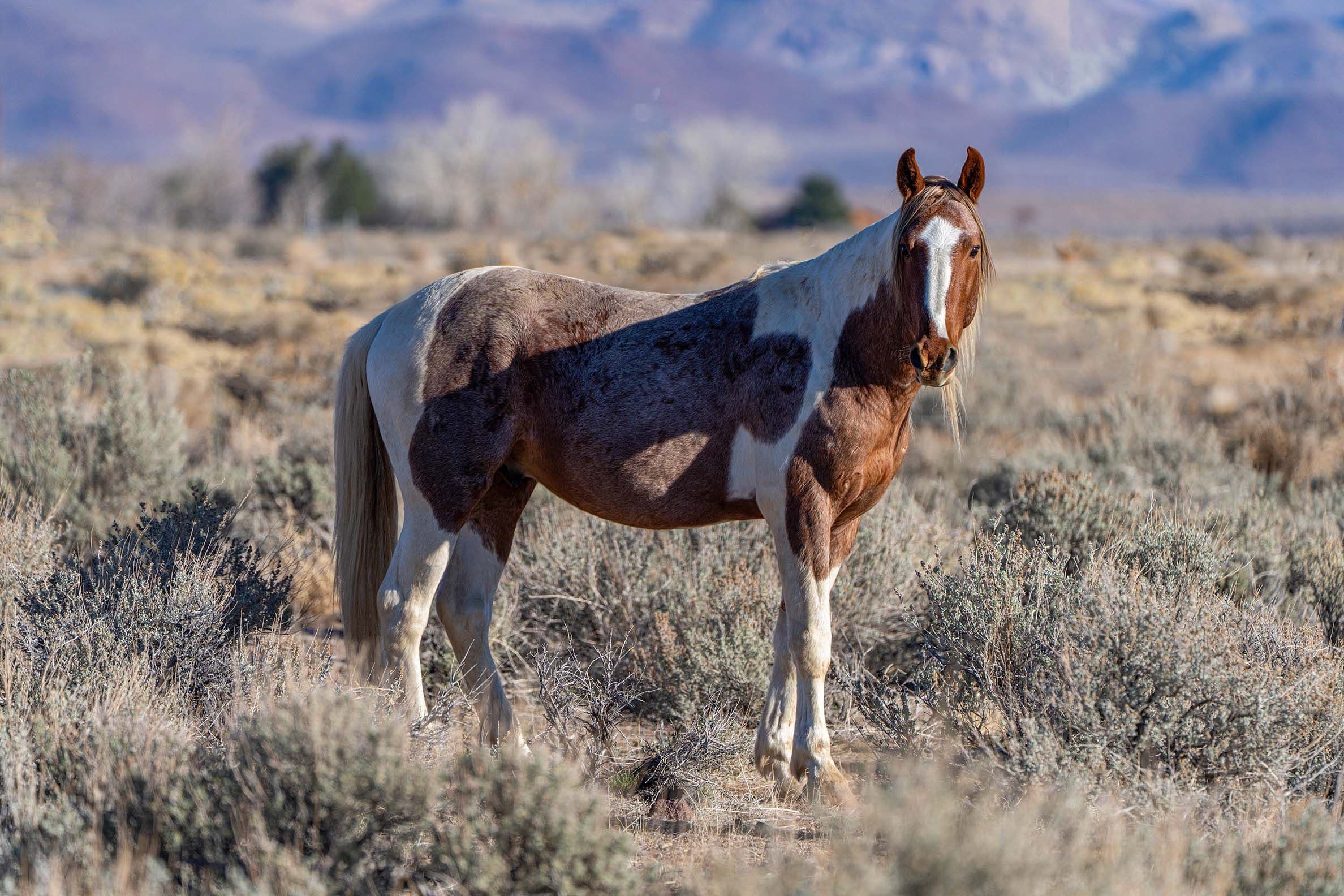
GRAND JUNCTION — Phantom Mist, Tumbleweed and Fantasy are nervously milling about and occasionally kicking up their hoofs in apparent protest at the metal rails confining them.
Until last week, these wildmustangswere roaming the desert north of Grand Junction. But they are now among 25mustangsbeing gathered from the Little Book Cliffs Wild Horse Range and put up for adoption because the Bureau of Land Management has determined there are too many horses in that area.
These wild horses — the only to be gathered in Colorado in the 2013 fiscal year — may represent the end of an era for theBLM's handling of wild horses and burros.
Roundupsof an average of 8,700 horses per year over the past decade have crowded holding facilities and eaten up the agency's horse and burro management budget. The gather-and-hold program, which has left about 50,000 equines in holding spaces, is unsustainable, according to aNational Institute of Sciences study.
"We are reassessing. We know we are going to have to greatly scale back the gathers," said Tom Gorey, a spokesman for theBLM's national wild horse program.
That will please wild- horse activists who object to removingmustangsfrom range lands. But, outside of the whinnying in the holding pens, there has been little to no protest over the gather now taking place in the Little Book Cliffs.
That is because one change the National Institute of Sciences report recommends is already taking place in the Little Book Cliffs: Local wild horse advocates are heavily involved in monitoring the herd and weighing in on management decisions.
The Friends of theMustangs, a 90-plus member group, has been watching out for the welfare of the Little Book Cliffs herd for three decades. They aren't happy about the removal ofmustangsfrom the range. But the group has an understanding of the need to control herd size.
In this case, 90 to 150 horses are considered a healthy-size herd for the 36,000-acre area. There were 155 before the gather began.
"If we had our way, we wouldn't have gathers," said Friends of theMustangsmember Peggy Elsmore. "But our club members pretty much understand (that) to manage them right, you have to have gathers."
Elsmore and anotherMustangsmember Beckie Diehf have been "babysitting" the gathered horses at the Mesa County Sheriff's Posse corrals in Grand Junction until the animals can be adopted.
"Each and every gather gets harder," Diehf said, watching the horses circling in their pens.
But when a potential horse adopter came by to check out the animals and commented on how healthy they looked, she told him, "That's why we have theseroundups— to keep them that way."
Before these horses were lured into rangeland pens baited with feed, Diehf and Elsmore already knew their names, their ages and their relations to other members of the herd. They had photos of them and had documented where they had ranged over their management area.
"Their contribution is why we've been so successful on this range," said Grand JunctionBLMoffice spokesman Chris Joyner.
Originally Posted By The Denver Post
Subscribe to our newsletter: