
BLM's Wild Horse Population Numbers Lack Scientific Backing
Media Publicity
Read time: Two Minutes
Published: February 3, 2020
Written by:
AWHC Contributor

(February 1, 2020) In response to the Jan. 24 opinion by student Saige Bowen, “Wild mustangs need to be managed, not saved,” we contributescience-based evidence for consideration, instead of sweeping, unsubstantiated suggestions. Refer to the National Academy of Sciences (NAS) 2013 comprehensive report (paid for by theBLM). The entire report is available to the public. We’ll paraphrase.
Scientific Critique of BLM's AMLs
First, how AMLs, the wild horse population limits imposed byBLM, are established, monitored, and adjusted is not supported by scientific information. Yet, AML numbers are used by powerful private interests as a way to say there’s an overpopulation of wild horses on federal lands. This, despite the fact that horses inhabit just 12 percent of federal rangelands and are outnumbered on these lands nearly 50 to 1 by livestock.
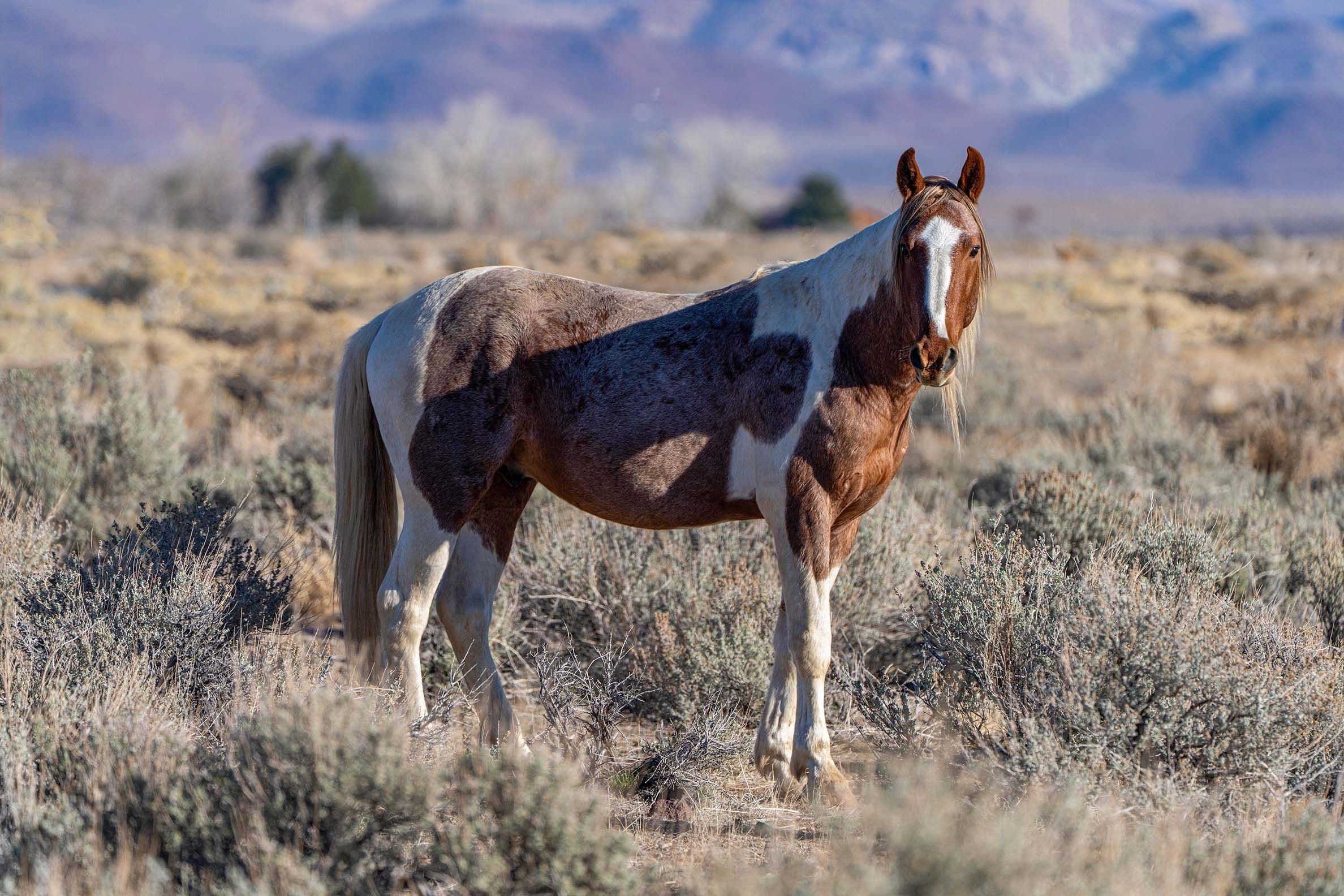
Reality:Outnumbered by thousands of cattle grazing Utah public land at taxpayers’ expense, Onaqui wild horses thrive.
Existing Solutions and Their Underutilization
Second, tools — including PZP fertility control — already exist forBLMto address many challenges in wild horse population management. Furthermore, the NAS confirmsBLMis not using these solutions in a manner that will impact population growth. And fertility control costs pennies compared to roundups.
Challenging Misconceptions
The true “underlying problematic belief” is one of ignorance, as the author demonstrates with her blind regurgitation of a convenient narrative driven by big-money commercial industry.
Originally Posted by the Salt Lake Tribune
Subscribe to our newsletter: