
Controlling the Navajo Nation's Free-Roaming Horse Dilemma
Wild Horse Management
Read time: Four Minutes
Published: September 20, 2017
Written by:
AWHC Contributor
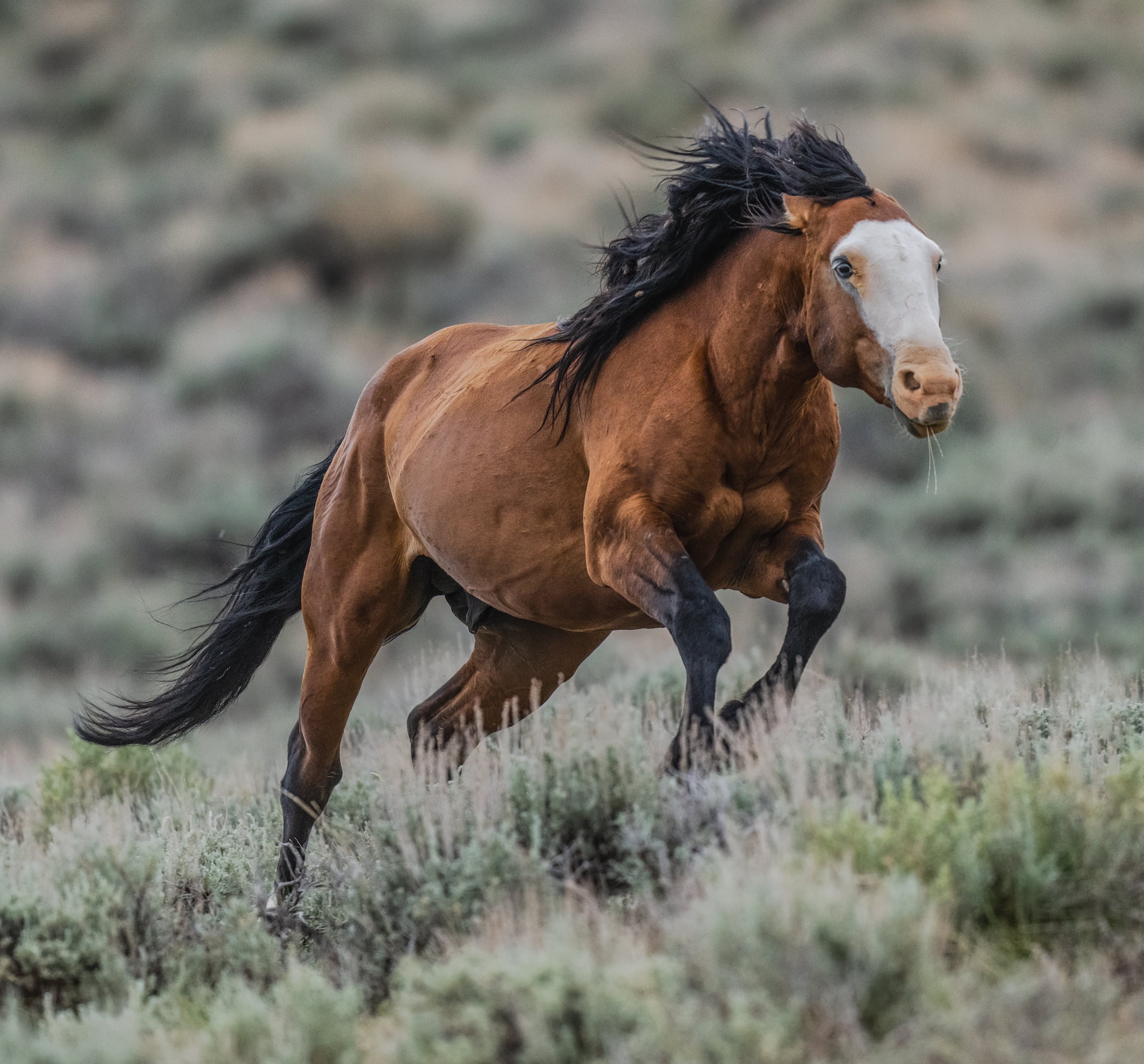
NAVAJO NATION— For centuries, wild horses have roamed the Navajo Nation, where they serve as both a symbol of the unconquerable Native spirit and the iconic image of the American West.
Considered a separate and heartier breed than their domesticated counterparts, wild horses have aesthetic and sentimental significance, said Simone Netherlands, president of Salt RiverWild Horse ManagementGroup, a non-profitadvocacyorganization based in Arizona. But they also have distinct historic, ecologic, and scientific value.
These free-roaming horses now are at the center of a heated controversy on the Navajo Nation over how—or whether—the tribe should take extreme measures to control a population that by some estimates tops 50,000. Wild horse advocates like Netherlands favor comprehensive and humane methods of birth control to gently curb the population, but the tribe also is considering more drasticsolutions, including large-scaleroundupsand issuing permits for horse hunting.
The department in March proposed a horse hunt and asked sportsmen and Navajo citizens to weigh in. The controversial proposal immediately set off a firestorm among horse enthusiasts, owners, and advocates, but it also triggered renewed support from organizations or individuals suggesting alternatesolutions.
A hunt would be “very localized and very controlled,” Tom said, and it would be part of a “multi-tool strategy” to manage the horse population. Other methods would include sterilization, adoptions, or the sale of wild horses to entities off the reservation.
A rising wild horse population means deficits for other wild animals andlivestock, Tom said. As wild horses continue to multiply, they compete for food and water with elk and other big game, not to mention the tens of thousands of domesticated horses that live on the 27,000-square-mile reservation.
This is not the first time the Navajo Nation has contended with an overpopulation of horses and otherlivestock. ABureau of Indian Affairs-funded report published in February found that the tribe faced similar issues in the late 19th century when people were concerned about overgrazing and erosion, and again in the early- to mid-20th century when the federal government introduced forcedlivestockreduction programs.
In the 1880s, one man reportedly had 600 horses near Black Mountain, in northeastern Arizona, the report found. Another man had 1,300 horses in Monument Valley.
Forced herd reduction, which began in the 1930s, first targeted sheep and goats, but later included horses. The federal government established quotas for different types oflivestockon specific areas of the reservation. In the 1950s, the Navajo Nation took over, enforcing its own range management protocols.
In the final decades of the 20th century, Navajos could sell wild horses to off-reservation customers or slaughterhouses, said Leo Watchman, manager of the Navajo Nation Department of Agriculture. In late 2005, Congress defunded horse inspection stations and slaughterhouses, leading to a mass closure of such facilities.
Since slaughterhouses closed more than a decade ago, the horse population on the Navajo Nation has grown exponentially, Watchman said. The loss of a market, coupled with the rising cost of hay, has led many horse owners to simply let their animals roam free.
In the last five or six years, the Navajo agriculture department has processed about 15,000 wild horses, Watchman said. It has seized unbranded horses and sold them off the reservation—often to adoption groups, but also to foreign slaughterhouses. Watchman had no data on how many horses are being slaughtered or where they end up.
But even the occasional roundup and sale of horses is not curbing the population fast enough, Watchman said. That’s why the agriculture department, along with Fish and Wildlife and a variety of horseadvocacygroups, are sitting down to talk aboutsolutions.
Watchman estimates the tribe must process 8,000 wild horses every year to maintain a “neutral” population. A report due out this fall is expected to explore a dozen different methods to manage the population. Watchman believes a plan that attacks the problem from every angle will have the most success.
Advocacygroups like Salt River want a plan that prioritizes comprehensive birth control efforts. At a meeting in May, Netherlands took a stand againstroundupsand horse hunts. She urged Navajo officials to use the PZP vaccine which, administered through a dart, prevents mares from giving birth for a year.
Leland Grass, a horse trainer in Shonto, Arizona, and cofounder of theadvocacygroup Diné for Wild Horses, believes thesolutionsare more organic. A horse hunt, he said, would be traumatic for horses and people alike.
The solution, Grass said, is to return to traditional beliefs and natural range management practices.
Originally posted by Navajo-Hopi Observer
Subscribe to our newsletter: