
Helicopters Gear Up for Winter Roundups: Protecting Wild Horses and Burros
Roundups
Read time: Nine Minutes
Published: November 20, 2018
Written by:
AWHC Contributor
Helicopters Gear Up for WinterRoundups
The American Wild Horse Conservation (formerly American Wild Horse Campaign) is closely monitoring the upcoming winter roundups of wild horses and burros across various regions. These operations, conducted by the Bureau of Land Management (BLM) and the U.S. Forest Service (USFS), aim to manage the populations of these majestic animals. However, concerns about the methods and implications of these roundups persist.
Havasu Burro Roundup
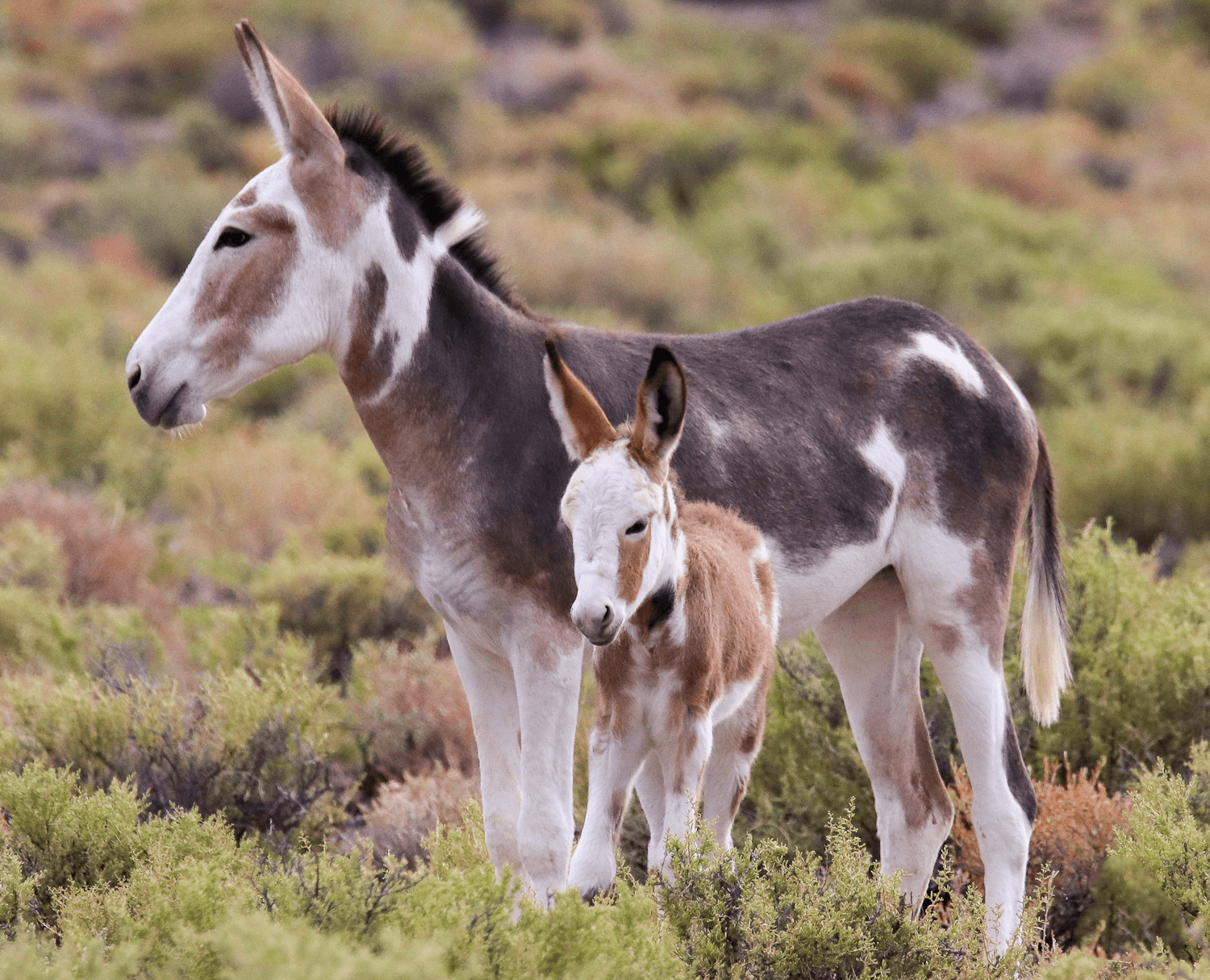
Starting on November 7, 2018, theBLMbegan an“emergency” roundupto remove 50 burros in the Havasu Herd Management Area, which spans the California/Nevada border. TheBLMstates that this operation is in response to increasing public safety concerns along State Route 95 just north of Lake Havasu City, Arizona.
The agency is using bait and water trapping to roundup the burros. So far, 40 burros have already been removed from the area. Once rounded up and removed, theBLMstates that the burros will be transported to theBLMWild Horse and Burro facility in Florence, Arizona, where they will be prepared for possible adoption.
There are two areas for public observation: one near Crystal Beach is in the public view, near houses, and the other gather area is north of Lake Havasu and in a remote location in the desert.
Background on Havasu HMA
Today, theBLMestimates that the population is around 178 animals, with about half living within the Arizona portion of the HMA. However, theBLMset the Appropriate Management Level for the HMA to 133-166 burros.
The Havasu Herd Management Area (HMA) is south of Lake Havasu City along the Colorado and Bill Williams rivers. The HMA includes land on both sides of the Colorado River and is adjacent to the Chemehuevi HMA Area in California. The Havasu HMA contains 450,790 acres of Lower Colorado Sonoran Desert. In Arizona, the HMA measures 372,570 acres, while the California portion encompasses 78,220 acres.
About 90 percent of the burros are gray, with the remaining 10 percent black, brown, white pinto or piebald. Some burros possess the shoulder cross characteristic of the ancestral Nubian wild ass, and many have leg barring associated with the Somali wild ass. Adult burros average 48 inches in height and weigh about 350 pounds.
Silver King
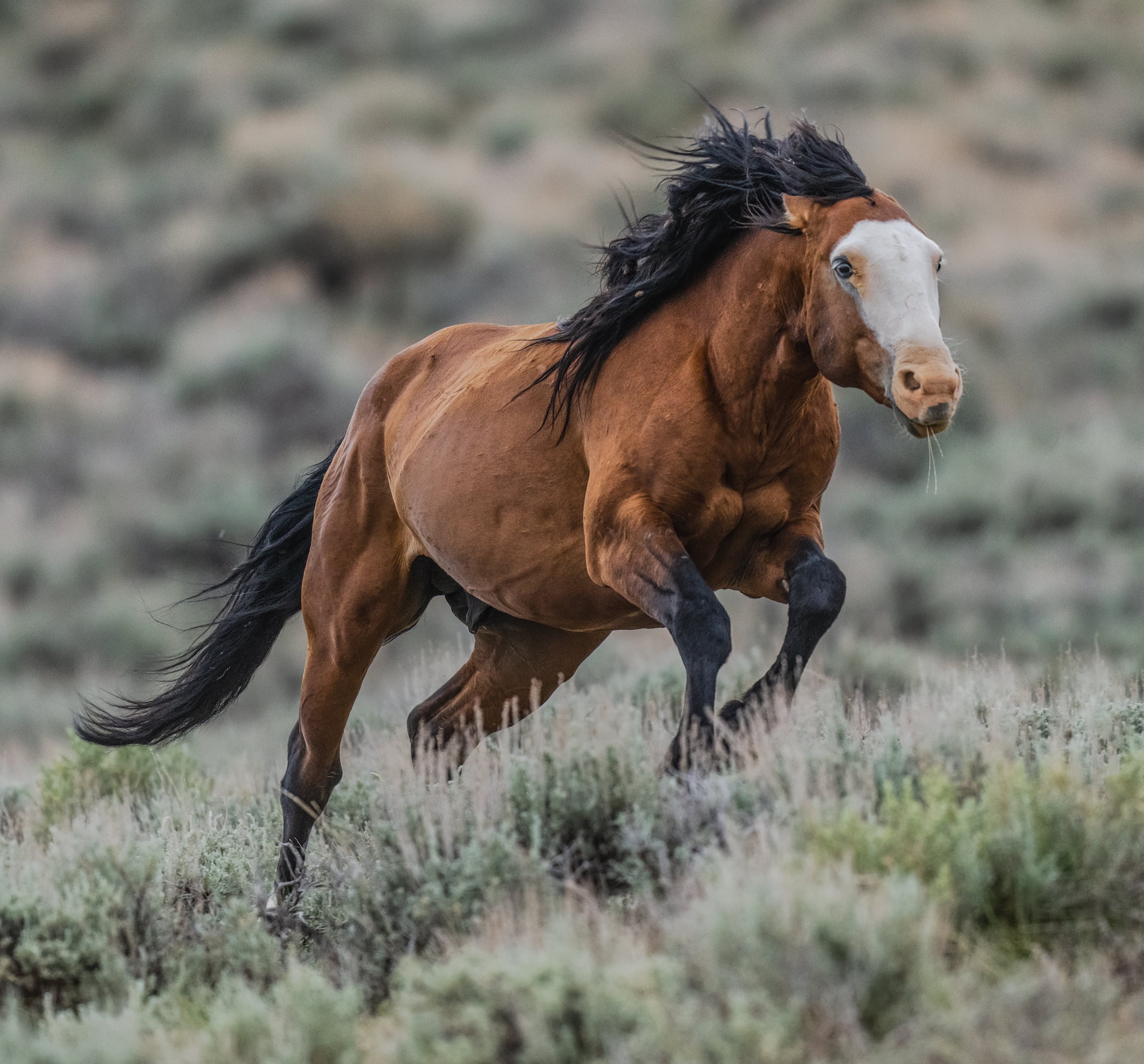
Starting on or about November 26, 2018, theBLMCaliente Field Officewill begin a roundupto remove approximately 980 wild horses from the Silver King Herd Management Area in eastern Nevada.
The agency is using helicopters to round up themustangs. Once removed, theBLMstates that the horses will be transported to the Indian Lakes Off-Range Wild Horse and Burro Corrals in Fallon, Nevada, where they will be readied for adoption.
The Silver King HMA consists of 574,962 acres ofBLMland and 498 acres of a mix of private and otherpublic landsfor a total of 575,460 acres. TheBLMestimates that the population for the Silver King HMA is approximately 1,224 wild horses, which includes the 2018 foal crop. The Appropriate Management Level (AML) for Silver King is a mere 60-128 wild horses.
TheBLMis willfully misleading the public when it claims that nearly 900 square miles can only support between 60-128 wild horses. The agency does not apply the same scrutiny to the thousands oflivestockand sheep that it is permitting to graze on allotments within the horses’ habitat.
If you are interested in attending the roundup, contact Chris Hanefield, Public Affairs Specialist at (775) 289-1800 prior to the viewing dates to be added to the attendee list and to receive specific instructions on meeting locations and times.
Additional Information
- Advocacy Group Slams BLM for Mass Removal of Wild Horses
- Silver King Environmental Assessment
Ft. McDermitt
Set to start on December 3, 2018, the U.S. Forest Service (USFS) will begin aseries of roundupsin cooperation with the Fort McDermitt Tribe, to roundup and remove unauthorized tribal horses from Forest Service lands.
Over the past 30 years, theUSFShas allowed for domestic tribal horses to illegally remain onpublic lands. According to theUSFS, these unauthorized horses have caused and continue to cause environmental degradation as their population numbers grow. TheUSFSnow plans to attempt to remove all unauthorized domestic tribal horses from public lands, and with the Fort McDermitt Tribe, will conduct a series of removals, each lasting four to fourteen days.
The planned roundup area comes close to severalHerd Management Areasin the region, both in Nevada and Oregon. Due to this proximity, in 2013 many potentially wild horses were caught up in the roundup and at risk of being sold at auction. In response, AWHC, joined by wild horse and conservation groups,filed a lawsuitto keep unbranded wild horses from being auctioned off as a result of a similar roundup operation in this area. As a result, we were able to save 149 unbranded horses from slaughter.
In 2015, theUSFSproposed another roundup for this area, but cancelled it after receiving a legal letter from AWHC outlining our concerns that federally-protected wild horses would be captured.
In 2013 and 2015, the capture zone abutted the boundary of the Little Owyhee HMA where federally-protected wild horses reside. This time, theUSFSmodified the roundup plan to include a buffer of at least 10 miles between the capture zone and any federally designated HMA. As with previous plans, theUSFSalso plans to have wild horse specialists at all the trap sites to make sure that there are no wild horses caught during the operation. How they will identify wild horses and distinguish them from tribal horses is unspecified and unclear. However, should any wild horses be identified, theUSFSsays they will be sorted and taken to the Little Owyhee Herd Management Area and released.
The only confirmed trap sites are currently only on tribal land, where public access may not be allowed. However, theUSFSmay place trap sites on public land. If they do, public observation may be allowed.
In our conversation with theUSFS, they stated that they are “almost certain” that no wild horses will be ensnared in these operations because of the distance that this area is from the closest HMAs and due to the fact that theBLMconducted a roundup in Little Owyhee earlier this year. They noted that it is rare for wild horses to venture that far from their designated habitat, and assured us that the USFS does not want to see wild horses caught up in this operation either.
This has been an ongoing situation in this area, and a distressing one in which our tax dollars will be used to round up hundreds of horses who will then be turned over to the tribe, most likely to be sold for slaughter. It’s a scenario that keeps recurring and will only end if the Forest Service enforces grazing restrictions on the National Forest, including penalties for illegal horse grazing, which is something theUSFSinformed us they intend to do.
However, just as in 2013, we will stay in constant contact with theUSFSto make sure no wild horses are harmed during this operation. We will update you as we learn more.
Pine Nut Mountains
Starting on or about January 7, 2019, the Sierra Front field office will begin a roundup and removal of approximately 575 wild horses from the Pine Nut Mountains HMA just east of Carson City, Nevada. This decision comes as part of a 10-year plan to manage wild horses in the Pine Nut Mountains that according toBLMcould include “wild horseroundups, implementation of population growth control measures, public education and outreach, habitat improvement/restoration, and monitoring protocols.”
The Pine Nut Mountains HMA consists of 95,391BLMpublic landsacres, as well as 8,925 acres of a mix of both private and other public land for a total of 104,316 acres. TheBLMhas established an arbitrary population limit of just 118-179 wild horses allowed to reside within the HMA.
Background
The originally designed wild horse habitat for this area (called Herd Area) consists of 251,792 acres of which 183,479 areBLM-managed lands. In 1975, theBLMidentified an estimated 297 animals in the Pine Nut Mountains Herd Area (the larger area which preceded designation of the HMA). In 1982 theBLMindicated that wild horses would be eliminated from the southern portion of the Pine Nut Mountains Herd Area (aka zero out horses) indicating that “Wild horse numbers will be totally removed, as requested, from checkerboard lands in the Southern Pine Nut Herd Management Area (HMA) which is less than the total HMA.” The request to zero out horses came from private landowners. In 1986 theBLMdetermined that the “Appropriate Management Level” (AML), which isBLMspeak for the number of horses allowed to live in the northern Herd Management Area would be 387 horses. Flash forward to 1995, theBLMrevised AML for the HMA to only allow 119-179 horses.
In 2016, theBLMclaimed that there are more than 357 horses inside and 222 horses outside the HMA (presumably this number has increased). Today, the majority of the horses identified as “outside” the HMA are primarily in the HA or were found on the HMA and HA border. Additionally, it’s likely that these horses travel between the HMA/HA borders without knowing, of course, of the artificial line theBLMhas created. Unfortunately, theBLMdoes not consider the natural wild horse movement – both daily and seasonal movement – when establishing the boundaries. AWHC believes such information must be taken into account to adjust boundaries to accommodate the horses’ natural movements that are largely dependent on nutritional and water needs.
TheBLMclaims that the Pine Nut wild horses congregate in the northern area of the HMA and are not evenly distributed across the HMA despite there being more vegetation and water in other areas of the HMA. Oftenlivestockgrazing allotment area enclosed by perimeter fencing; AWHC questioned whether fencing was keeping horses out of certain allotments within the HMA (see map for multi-color allotment boundaries).BLMclaims that fencing was not utilized in the HMA and would not be the cause for horses failing to utilize the entire HMA.
Subscribe to our newsletter: