
Judge Rejects Utah Ranchers' Plea to Evict Wild Horses
Wild Horse Management
Read time: Two Minutes
Published: July 13, 2017
Written by:
AWHC Contributor
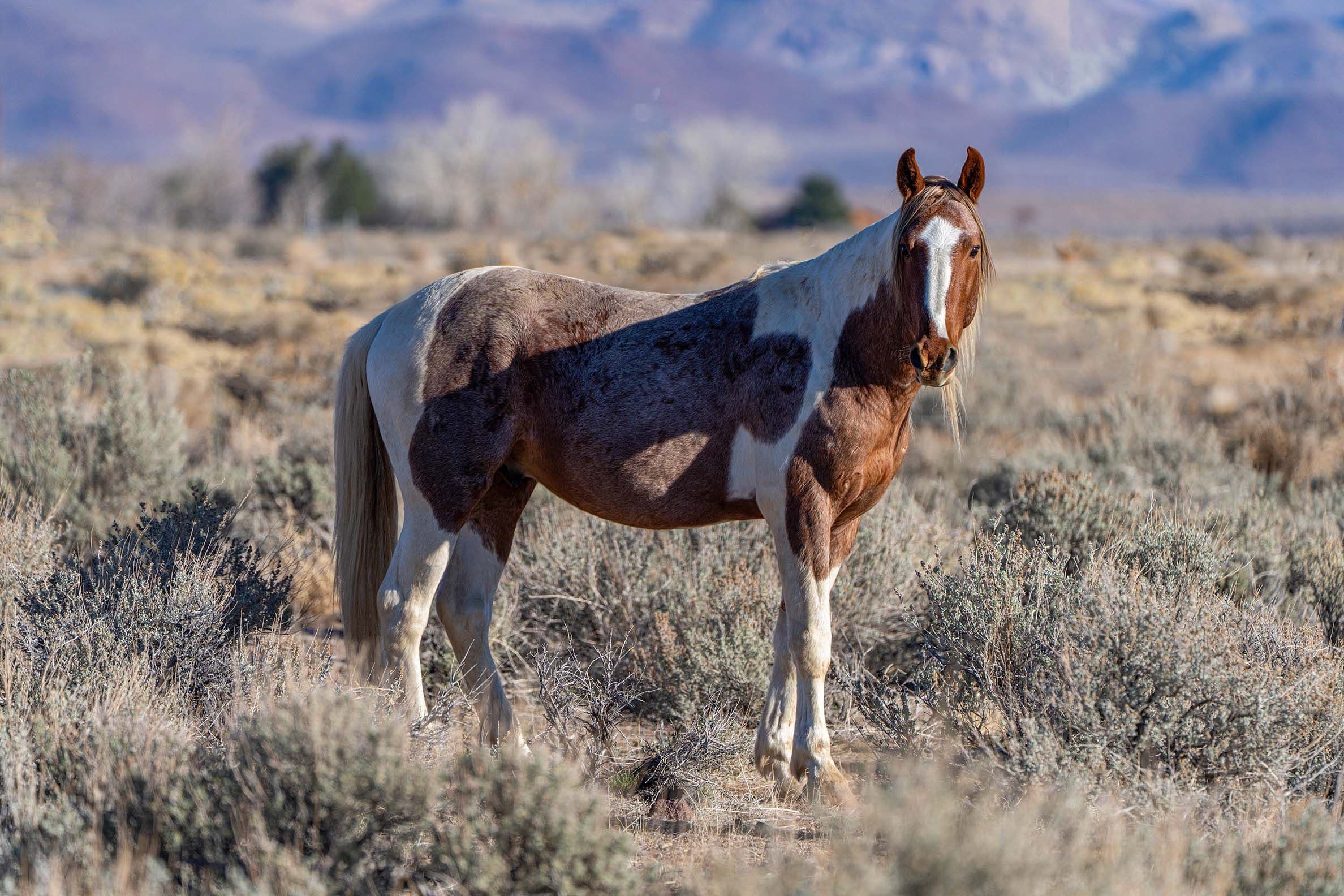
A federal judge has dismissed a lawsuit filed by Utah ranchers demanding the removal of wild horses from the West Desert. The ranchers claimed these horses were displacing their cattle, but the court ruled that the Bureau of Land Management (BLM) has the discretion to manage horse populations as it sees fit.
Background of the Lawsuit
The lawsuit, represented by Wyoming lawyer Karen Budd-Falen, argued that federal law mandates the removal of horses exceeding population targets. However, U.S. District Judge Jill Parrish stated that such removals are not compulsory unless specific conditions are met.
BLM's Approach to Wild Horse Management
In recent years, theBLMhas explored contraceptives as a humane and cost-effective alternative to roundups, which have resulted in 50,000 horses being kept in private pastures. Current federal law prohibits selling these animals for slaughter, although pendinglegislationcould change this.
Ranchers' Response and Legal Support
Frustrated byBLM's requests to reduce cattle grazing time, Utah ranchers formed the Western Rangeland Conservation Association in 2014 to fund the lawsuit. The Utah Farm Bureau Federation and other organizations supported this effort, while the American Wild Horse Conservation (formerly American Wild Horse Preservation) intervened on theBLM's side.
Implications of the Ruling
The ranchers sought to enforce removals from areas where horse numbers exceed "appropriate management levels" (AMLs). However, the court's decision emphasizedBLM's discretion in managing these populations.
Beaver County Commissioner Mark Whitney criticized theBLMfor failing to meet its legal obligations, claiming that horse overpopulation harms the environment and wildlife. Despite these concerns, the court found no absolute deadline for reducing horse numbers.
Future Considerations
While theBLMcontinues to study contraceptive methods, state officials argue that horses should remain off-range. The ruling may influence similar cases, such as a pending lawsuit in Beaver County.
Nick Lawton, representing the horse-advocacy group, believes this ruling sets a persuasive precedent for future cases.
Originally posted by Salt Lake Tribune
Subscribe to our newsletter: