
Livestock: A Major Cause of Public Lands Degradation, New Research Finds
Livestock
Read time: Three Minutes
Published: March 21, 2022
Written by:
AWHC Contributor
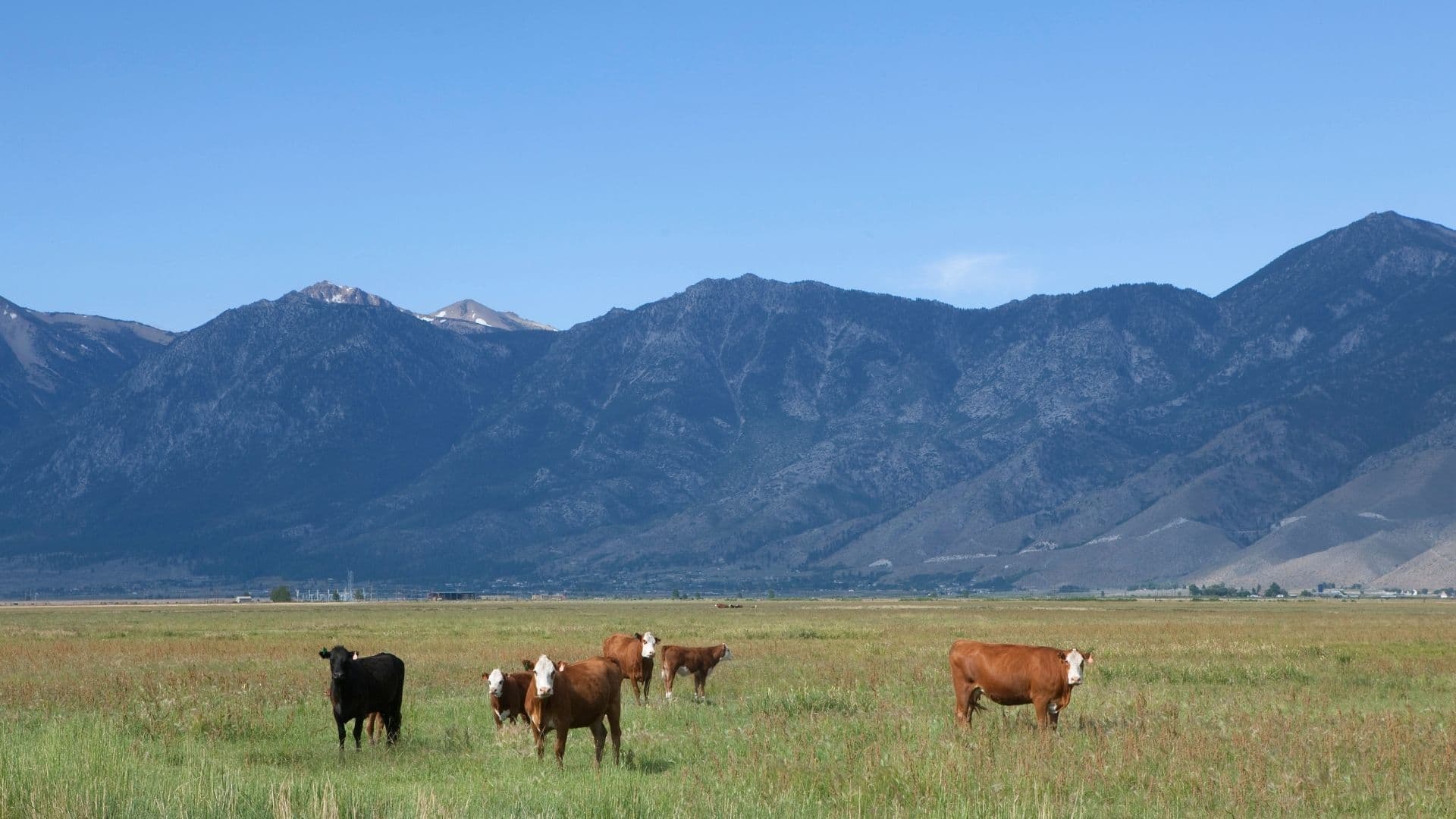
(March 21, 2022)— The Bureau of Land Management (BLM) is failing to address the growing adverse impacts oflivestockgrazing on Western public lands according to new data released byPublic Employees for Environmental Responsibility(PEER), a leading environmental watchdog organization.
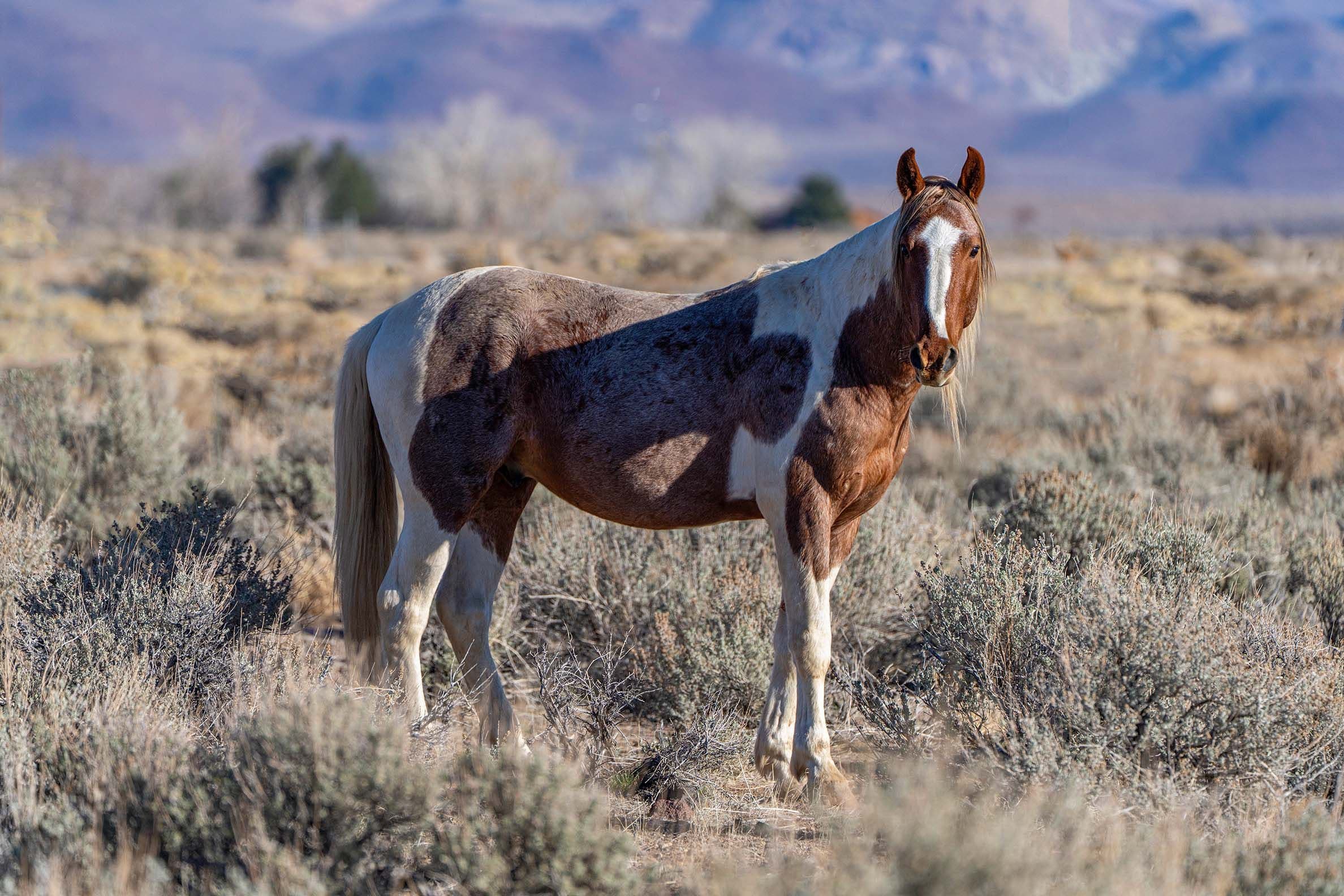
The data, which was released in the form of acomprehensive digital map, demonstrates that more than 54 million ofBLMacres assessed fail land health standards due tolivestockgrazing. The findings are relevant as the BLM pitslivestockagainst wild horses, often favoring the former and scapegoating the latter, subjecting them to inhumane roundups every year.
The nation’s leading wild horse protection organization, theAmerican Wild Horse Conservation (formerly American Wild Horse Campaign)(AWHC), welcomed the release of PEER’s data, stating that it hopes that theBLMwill stop ignoring its own scientific findings on the adverse impacts of public landslivestockgrazing and stop scapegoating wild horses – the very animal it is charged to protect.
"TheBLM’s bias against wild horses and its continued failure to address the threat oflivestockto western public lands is harming wildlife and the environment,” said Suzanne Roy, executive director of AWHC. “Instead of its continued reliance on costly, and brutal helicopter roundups and removals of wild horses, the agency must prioritize humane on-the-range management using proven fertility control and reducelivestockin wild horse habitat to protect public lands,” Roy concluded.
In September, PEER sent aletterto U.S. Interior Secretary Deb Haaland, blasting the department for ignoring “[v]ast amounts of data concerning the ecological impacts of grazing” and unsustainablelivestockpractices.” PEER called the Interior Department’s focus on wild horse removals when these animals are outnumbered bylivestock30-1 “the antithesis of sound science.” PEER’s 2021 findingshave previously foundthat of the almost 22 million acres of wild horse and burro Herd Management Areas area within allotments thatBLMhas assessed, only a tiny fraction–just 1% or 311,000 acres–has been identified as failing standards due to wild horses.
PEER joins a growing chorus of environmental organizations that are speaking out about the federal government’s scapegoating of wild horses and burros in favor oflivestock. Last fall, the Sierra Clubsent a letterto Haaland calling for the elimination oflivestockwithin federally-designated wild horse habitat, stating that the forage allocations were, “severely biased against horse populations and other wildlife on horse-occupied Bureau of Land Management [lands].”
Subscribe to our newsletter: