
Making a Movie Authentic: Meet the Wild Horse Expert Behind 'Black Beauty'
Media Publicity
Read time: Four Minutes
Published: January 19, 2021
Written by:
AWHC Contributor

This past November, Disney released the classic filmBlack Beauty, featuring a wild mustang that bonds with a young girl. Based on Anna Sewell's 1877 novel, the film offers a glimpse into the life and struggles of wild horses.
To ensure authenticity, director Ashley Avis consultedSuzanne Roy, director of theAmerican Wild Horse Conservation (formerly American Wild Horse Campaign)(AWHC), the largest wild horseadvocacyorganization in the nation.
AWHC, with a grassroots following of nearly 1 million, is an expert on America's wild horses, the challenges they face, andsolutionsfor their humane management onpublic lands.
Roy shared more about her work on the film in an interview with Jeryl Brunner from Forbes.
Interview Highlights
Assisting the Production
Jeryl Brunner:How did you assist the producers ofBlack Beauty?
Suzanne Roy:The movie’s writer and director Ashley Avis reached out to us for information on the issues surrounding the treatment of the nation’s federally-protected wild horses and burros. We provided information, directed Ashley to the best filming locations, and offered guidance on filming wild horses in the wild and atroundups.
Understanding AWHC's Role
Brunner:For those unfamiliar with AWHC, how would you describe its mission?
Roy:The American Wild Horse Conservation is a nonprofit organization dedicated to ensuring the future of America's wild horses and thepublic landsthey roam. Our work involves educating the public, lobbying, and field programs to conserve habitat and humanely manage wild horsesin the wild.
The Plight of Wild Horses
Brunner:What would you like people to know about the plight of wild horses?
Roy:Wild horses are protected as symbols of freedom for our nation. It’s crucial to protect sustainable wild horse populations humanely within their natural habitat. Unfortunately, these horses face threats from special interests, particularly cattle ranchers, leading to inhumane federal helicopterroundupsthat capture and remove thousands of wild horses annually frompublic landsin ten western states.
Expertise in Film and Television
Brunner:Why would people call AWHC for expertise in film and television productions?
Roy:AWHC is the largest wild horseadvocacyorganization in the nation, with a grassroots following of nearly one million people. We are experts on America’s wild horses, the challenges they face, and the solutions available for their protection and humane management on Westernpublic lands.
Impact of the Film
Brunner:How do you hope perceptions about horseroundupswill change from the film?
Roy:Americans love wild horses, and polls show they overwhelmingly support their protection. However, many are unaware of the treatment wild horses endure at the hands of our government. The film accurately portrays the abusive treatment duringroundupsand serves as a call-to-action for us to defend them.
Joy of Working on the Film
Brunner:What was the joy of working on the film?
Roy:Educating the public on the plight of the American wild horse and ensuring the film accurately portrayed the cruelroundupsthey face was incredibly rewarding.
Surprising Aspects of AWHC's Work
Brunner:What might surprise people about what you do?
Roy:We don’t only advocate for protecting wild horses; we actively demonstrate how they can be protected. We operate the world’s largest wild horse birth control program, humanely managing a population of 3,000 wild horses in a 500 square-mile habitat in the greater Reno, Nevada area.
Best Aspects of the Job
Brunner:What is one of the best aspects of your job?
Roy:The opportunity to see wild horses and visit the spectacularpublic landswhere they live. Observing wild horses living according to nature’s rule is fascinating and never gets old. The remote places they inhabit are vast and breathtaking.
Understanding Wild Horses
Brunner:What would you like people to know about wild horses?
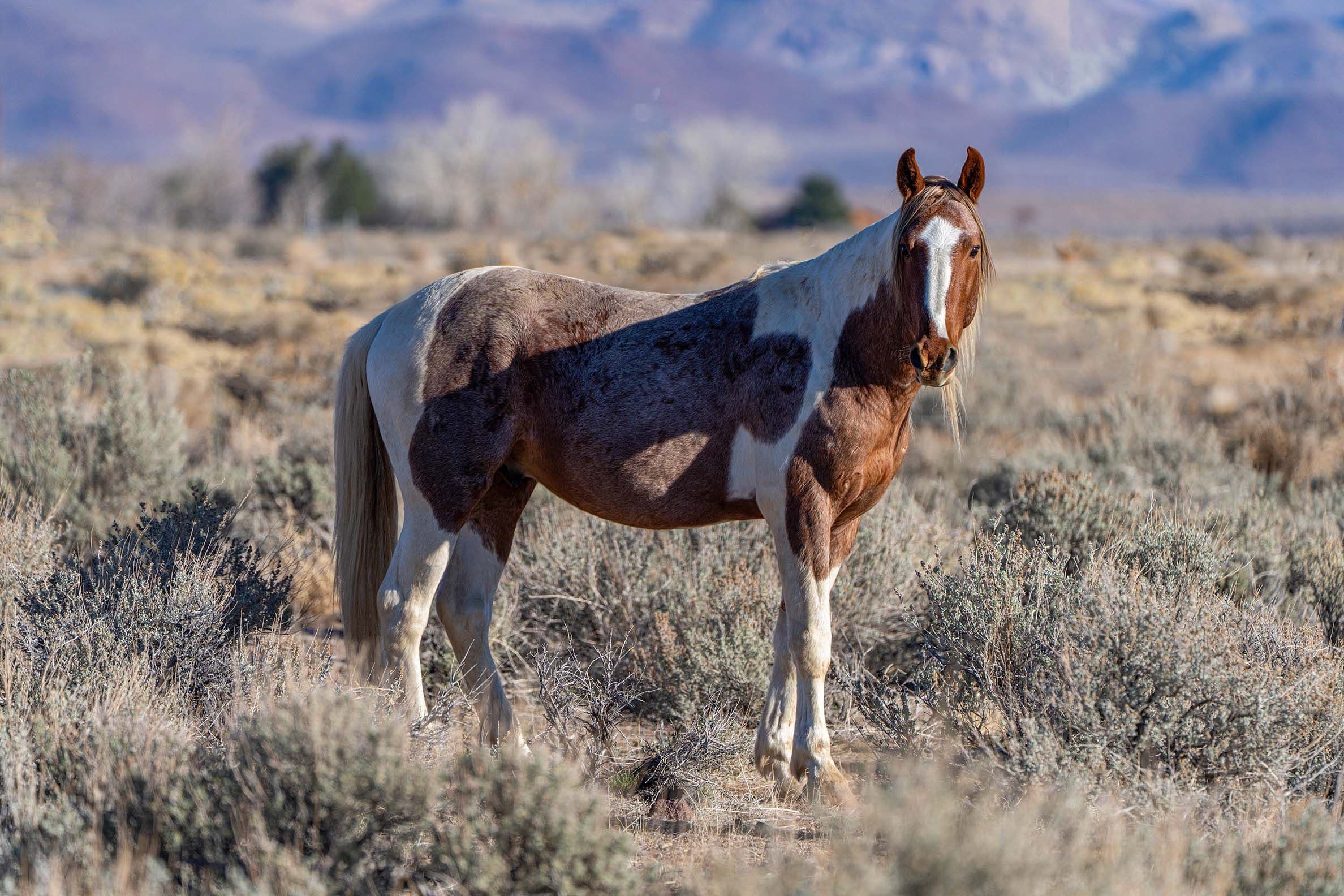
Roy:Wild horses evolved in North America and are a native reintroduced wildlife species. They are highly adapted to their high desert habitats in the American West. Admired for their beauty, strength, and resilience, they are socially complex animals forming close bonds within their family groups, called bands. Wild horses suffer terribly inroundupswhen captured and separated from their families.
Personal Commitment to Wild Horses
Brunner:When did you know you had to focus on the well-being of wild horses as your life's work?
Roy:I have always been an animal lover, and after an early career in politics, I devoted my life to protecting animals. It wasn’t until my daughter became a “horse girl” that I learned about horses and their incredible nature. Discovering the plight of wild horses compelled me to help them, a mission I’ve dedicated my life to for the past 10 years.
Originally posted by Forbes
Subscribe to our newsletter: