
Mustangs: Managing America's Wild Horses Amidst Ongoing Debate
Wild Horse Management
Read time: Two Minutes
Published: July 1, 2013
Written by:
AWHC Contributor
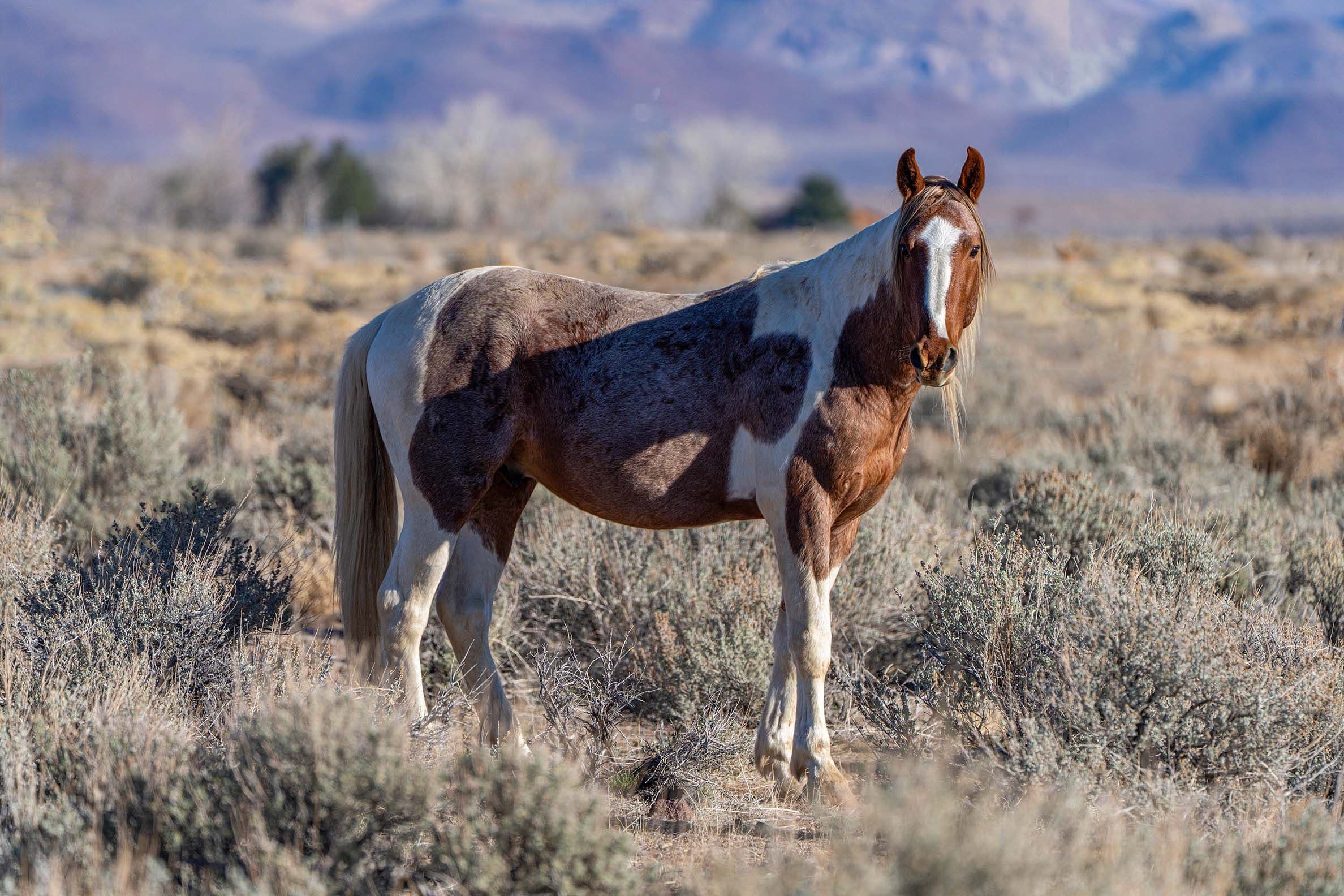
In the vast expanse of Antelope Valley, Nevada, the dawn breaks with a dramatic scene as a dozenmustangsrace across the desert, pursued by a helicopter. This spectacle is part of a controversial roundup by the Bureau of Land Management (BLM), a practice that has sparked a fierce debate between animal advocates and federal authorities over the management of America's wild horses.
The Roundup Controversy
Animal activists, armed with long-range cameras, watch as wranglers drive themustangsinto a camouflaged corral. The helicopter pilot, incentivized by a $500 bounty per horse, relentlessly pursues the animals. This roundup captures 180mustangs, using a 'Judas horse' to lure them into the trap.
Laura Leigh, a horse advocate, protests as a distressed mare stands its ground against the helicopter's intimidation. Despite her pleas, theBLMworkers remain silent, and the mare is eventually captured.
The Ongoing Debate
The management of wild horses has become a contentious issue, withBLMofficials citing overpopulation concerns, while activists argue thatmustangsare unfairly scapegoated. The debate extends to the impact ofmustangsversus cattle on rangelands and the classification ofmustangsas native or invasive species.
Financial and Ethical Concerns
TheBLM's budget for managing wild horses has soared, with holding costs consuming a significant portion. Critics argue that the agency prioritizes ranchers' interests, who lease public lands for grazing at low costs, over the welfare ofmustangs.
Activists like Deniz Bolbol from the American Wild Horse Conservation (formerly American Wild Horse Preservation Campaign) express frustration over theBLM's perceived disregard for outside concerns.
Scientific Recommendations
A National Academy of Sciences report criticized theBLM's reliance onroundups, advocating for birth control measures and improved population estimates. The report urged transparency and a shift from the current management approach.
Rep. Raul M. Grijalva and other lawmakers have called for theBLMto adopt these recommendations, emphasizing the need for change.
Controversial Practices and Future Prospects
Allegations of inhumane treatment duringroundupspersist, with activists documenting abuses. TheBLMhas introduced new protocols, but incidents like the Antelope Valley roundup, which resulted in horse deaths, continue to fuel criticism.
As the debate rages on, the future of America's wild horses remains uncertain, with stakeholders divided on the best path forward.
Originally Posted By The Los Angeles Times
Subscribe to our newsletter: