
Nevada Lawmakers Demand Answers from BLM on Public Lands
Public Lands
Read time: Two Minutes
Published: March 24, 2017
Written by:
AWHC Contributor
The Bureau of Land Management (BLM) plays a crucial role in managingpublic lands, impacting everything from grazing to mining and energy production. This makes it essential for Nevada lawmakers to engage with the agency to address their constituents' concerns.
Republican lawmakers often advocate for more lenient policies on mining and grazing, while Democrats focus on conservation and renewable energy. During a recent session, lawmakers questionedBLM's Nevada State Director, John Ruhs, on various public land issues.
Wild Horse Population Control
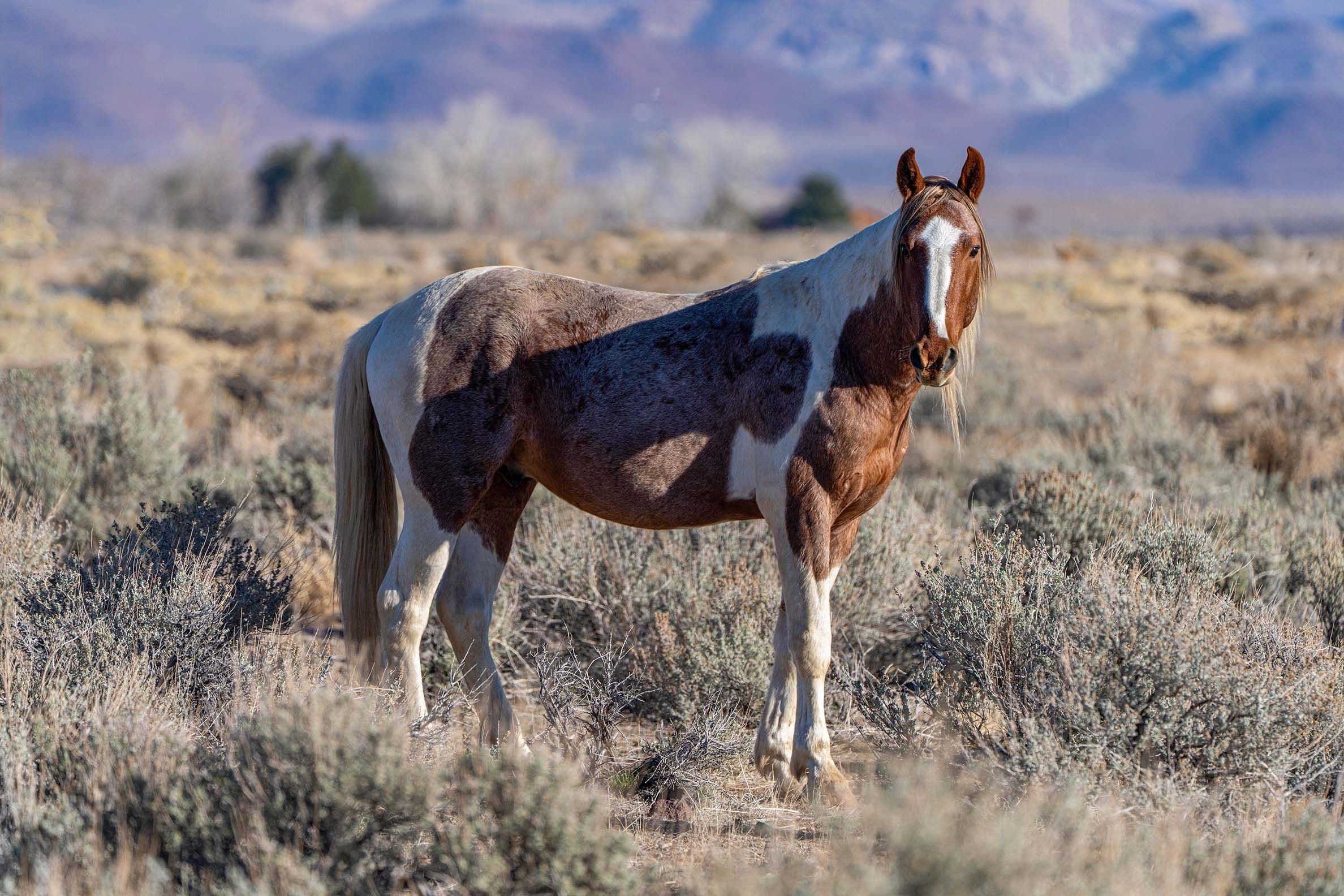
Assemblyman Jim Wheeler, R-Gardnerville, inquired aboutBLM's plans to use public-private partnerships to manage wild horse populations, particularly in the Virginia Range near Reno. While some advocate for contraceptive programs, others, like ranchers, view horses as competition forlivestock.
Ruhs mentioned a successful small-scale program in southern Oregon that could potentially be implemented in Nevada.
Gold Butte Monument and Land Restoration
Assemblywoman Leslie Cohen, D-Henderson, asked about potential partnerships with Bear's Ears Monument managers to promote Gold Butte Monument. She also inquired about plant restoration efforts in Gold Butte, an area affected by Cliven Bundy's standoff withBLMagents in 2014.
Ruhs admitted he was unaware of the restoration status, stating, “That is kind of down in the weeds for me.”
Land Sales and Fire Suppression
Sen. Pete Goicoechea, R-Eureka, questioned the allocation of funds from land sales under the Southern NevadaPublic LandsManagement Act. Ruhs clarified that none of the $3.5 billion goes to the U.S. Treasury; instead, it funds state land and resource projects.
Goicoechea also raised concerns about theBLM's fire suppression budget. An aide later reported that in 2016, 348 fires burned 260,697 acres, costing $23,255,762 in suppression efforts.
Wilderness Study Areas
Assemblyman John Ellison, R-Elko, sought answers on the 60 wilderness study areas covering about 2.5 million acres in Nevada. These areas are evaluated for potential federal wilderness designation, a process that can take decades.
Ruhs explained that decisions on these areas typically require congressional action.
Interestingly, no lawmakers addressed proposals to transfer federal land control to states or private entities.
Originally posted byReno Gazette-Journal
Subscribe to our newsletter: