
Nevada Transfers Control of Wild Horses to Nonprofit
Wild Horse Management
Read time: Two Minutes
Published: December 15, 2017
Written by:
AWHC Contributor
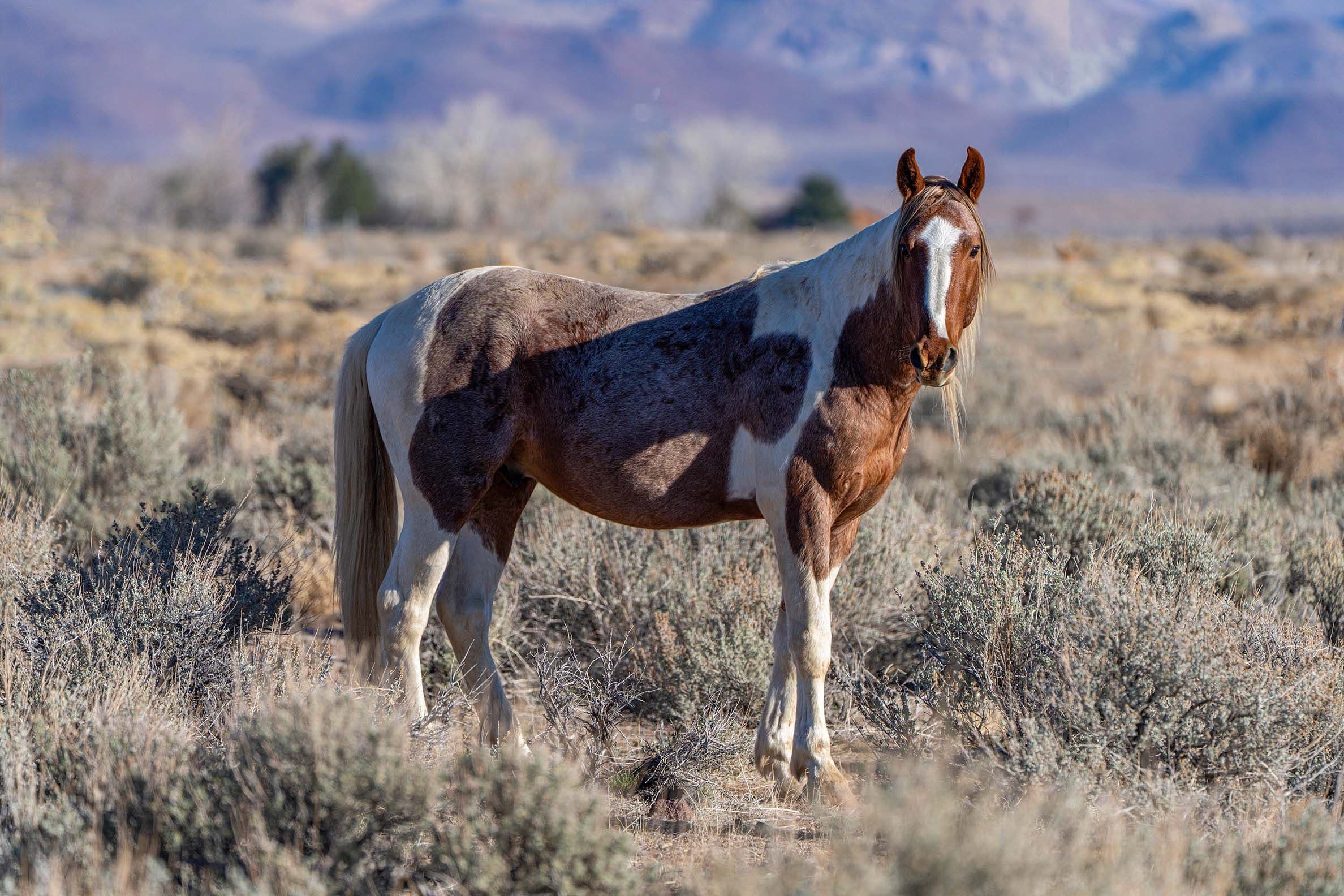
The Nevada Board of Agriculture has voted 8–1 to transfer control of up to 3,000 wild horses in the Virginia Range to a nonprofit organization. This decision has sparked outrage among wild horse advocates who fear for the horses' safety and future.
Suzanne Roy, executive director of theAmerican Wild Horse Conservation (formerly American Wild Horse Campaign), expressed her concerns after a heated public meeting, stating, “This is a dangerous move, it is an illegal move, and it is totally against the will of the public.”
This situation is reminiscent of previous instances where nonprofits have been called upon to address issues that the public or private sectors have struggled to manage. The outcome of such transitions can be unpredictable.
Currently, there are approximately 67,000 wild horses and burros across the Western United States, primarily on lands managed by the Federal Bureau of Land Management (BLM) in states like Arizona, California, and Nevada. Despite their varied locations, these animals face similar survival challenges.
The herd in question, known as “Annie’s Herd,” is protected under federallegislationthanks to the efforts of Velma Johnston, also known as “Wild Horse Annie.” Her advocacy was instrumental in securing laws to prevent the extinction of wild horse herds.
In Arizona, over 500 wild horses roam public lands, with about 100 near the Salt River in the Tonto National Forest. These horses are managed by theSalt River Wild Horse Management Group. In 2015, a public outcry erupted when theBLMannounced plans to remove these horses. The nonprofit, supported by public sentiment, successfully advocated for statelegislationto formalize their management role.
The Salt RiverWild Horse ManagementGroup now collaborates with theBLMto monitor the herds and ensure the safety of surrounding areas. However, the future of “Annie’s Herd” in Nevada remains uncertain.
Originally posted by Non Profit Quarterly
Subscribe to our newsletter: