
Our Work Continues Amidst the COVID-19 Crisis
Legislation
Read time: Nine Minutes
Published: March 16, 2020
Written by:
AWHC Contributor
(March 17, 2020)We hope that you and your loved ones are staying safe and well during this difficult time. Like you, we are doing our best to stay up to date on the evolving COVID-19 situation, and we wanted to take a moment to share with you how the latest developments are affecting our work to protect wild horses and burros.
Capitol Hill
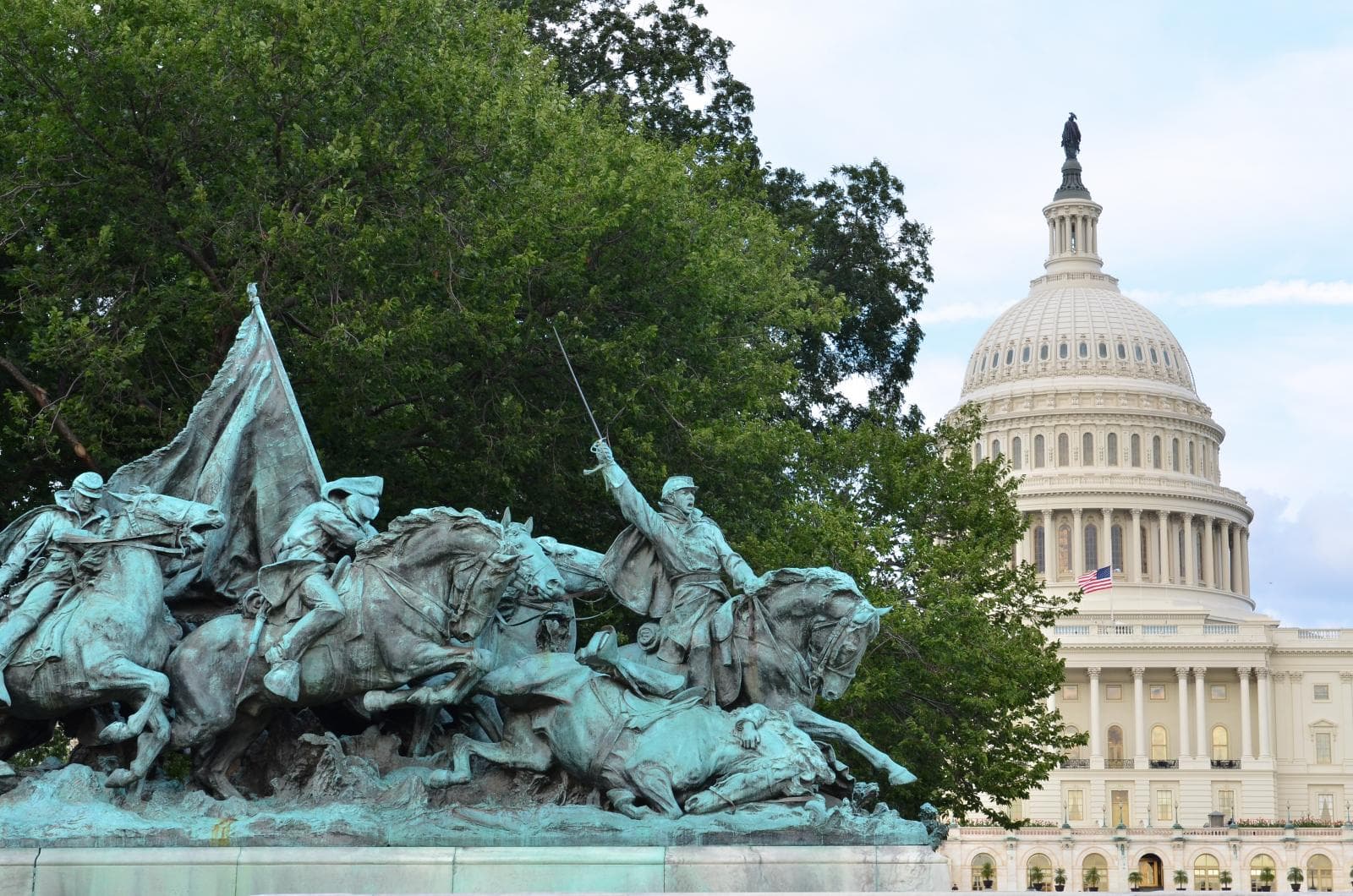
Due to the public and government response to the COVID-19 virus, last week was one of the most consequential in Washington, DC in many years. In the face of both a public health and financial crisis, most federal agencies have moved all but the most essential personnel to telework andCongresshas done the same. This week, the President declared a national state of emergency, stock markets swung wildly, schools, including colleges, across America, shut down, every major sporting league postponed or canceled their seasons, and even Tom Hanks and Rita Wilson disclosed they had the virus. Across America, large public gatherings have been banned and it's easier to get toilet paper in North Korea than in Modesto. Whew.
Amid all the confusion, the AWHC team was on Capitol Hill last week meeting with staff aboutBLM’s treatment of wild horses and burros before most of the staff moved to remote work. We have now moved to working fully from our home-based offices and will continue our Hill outreach throughout the crisis via video and teleconferences. Congressional leadership in both the House and Senate have declared that their legislative work will continue, so our advocacy for horses inCongresswill, too. In fact, it’s likely, according to our sources on the Hill, that the pace of legislation will increase because they want to send a message thatCongressis “open for business” and actively addressing the economy and COVID-19. This makes our congressional engagement more vital than ever.
It would seem at a time like this that there isn’t much to be concerned about the Wild Horse and Burro Program orBLM, but that is unfortunately not the case.Congress’s biggest legislative vehicles, the FY 2021 appropriations bills, which fund all the federal agencies each year, will be essential to responding to the current crises. These spending bills are beingdrafted and pre-conferencingnow with a goal of concluding in the next four to five weeks. Though seemingly unconnected, these bills will contain billions of dollars andthousands of riders, ranging from funding for more respirators to cruise industry bailouts, and, if certain legislators have their way, increasing roundups and even sterilization of wild horses on public lands. Now largely out of view from the public, legislators will certainly try to include language that allowsbrutal surgical sterilization, increased cruel helicopter roundups and removals aimed at reducing herds to extinction-levels, and more warehousing of mustangs like livestock, like Senator Lee (R-UT) recently tried to on ageothermal energy billin the Senate.
We blew the whistle on Senator Lee and we’ll be there to stop others like him in the future, make their plans public, and work with allies inCongressto writelegislationthat protects wild horses. However, we’re concerned that in the current crisis the appropriations bills will become “must-pass”legislationforCongresswhen they eventually return for votes. We fear that controversial riders, like those that threaten wild horses, may slip through while most of the public is focused on other issues. For this reason, our advocates on Capitol Hill will be using every technology available to communicate with lawmakers and staff to make sure wild horses aren’t an unintended victim of this crisis, too. We will be trying some innovative tools like tele-town halls and Google Hangouts with legislators to get our message out. If you can get involved, we need your voice, we need you as an advocate for wild horses now, more than ever.
Litigation
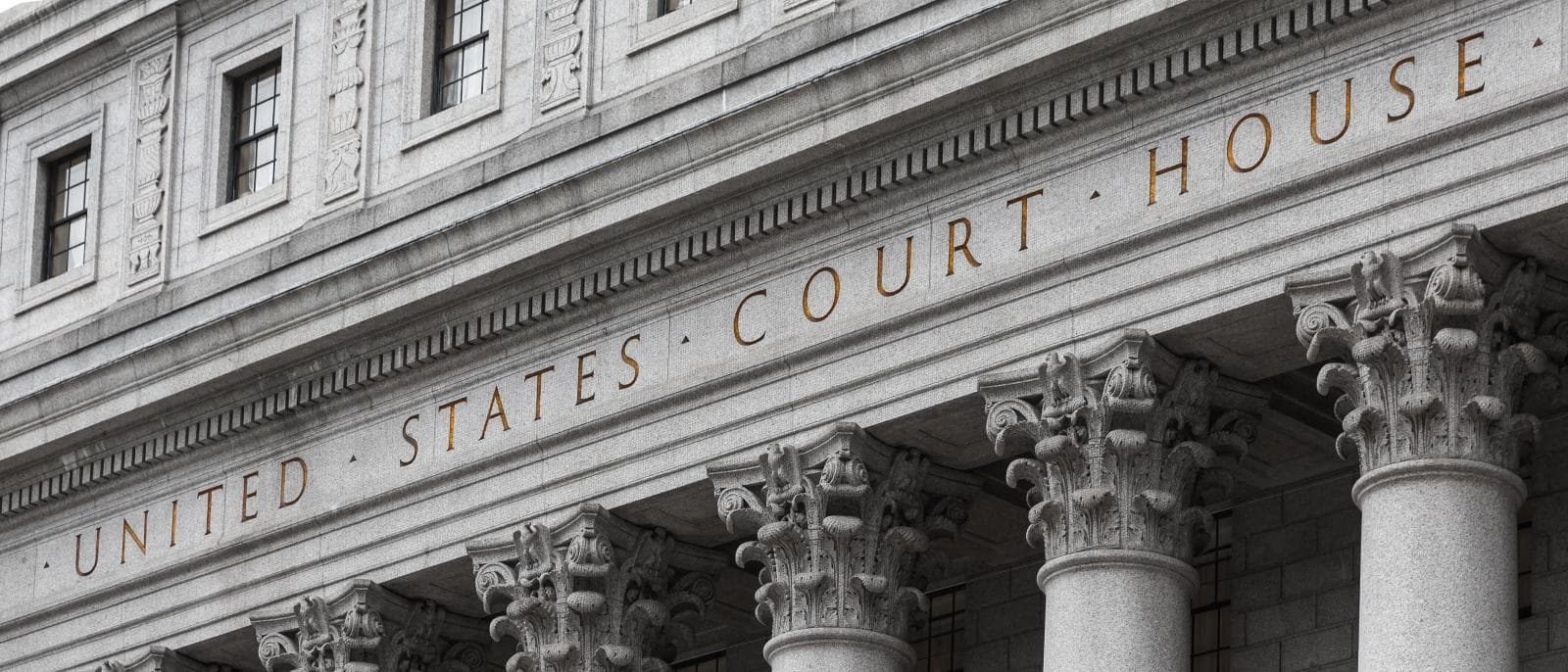
Two sets of oral arguments on AWHC legal cases are scheduled for March, and the COVID-19 crisis is affecting both of them.
Last week, the government filed a motion in our lawsuit against theBLMto stop its proposed ovariectomy via colpotomy experiments on wild mares, asking to appear by telephone instead of in person for oral arguments in Portland on March 20th. Given that Oregon had declared a state of emergency, our attorneys at Eubanks and Associates asked to appear by telephone as well. The court granted our requests, meaning that now instead of appearing in person we will attend the hearing by telephone. We are partnering with The Cloud Foundation and the Animal Welfare Institute on this litigation that has so far caused theBLMto drop its plans to conduct the experiments, and we are optimistic for a positive final outcome in this case.
AWHC attorneys were also supposed to appear on March 25th in San Francisco for oral arguments before the Ninth Circuit Court of Appeals in our lawsuit challenging theBLM's plan to castrate wild-free roaming stallions in Nevada’s Triple B Complex. Yesterday, the Courts issued an order canceling all oral arguments for the week of March 23-27, including our argument. We are now awaiting word from the court as to whether the hearing will be rescheduled or the case will be decided on the written briefs already submitted.
Just under the wire, on Friday, AWHC Government Relations andPolicyCounsel,filed a lawsuitfor AWHC over theBLM’s failure to respond to multiple requests under the Freedom of Information Act (FOIA) seeking information on various aspects ofBLMwild horse and burro policy. Among the records sought: documents that shed light on secret meetings that Interior Secretaries andBLMofficials have had with livestock special interests and how those special interests are influencing federal mustang and burro policy. It’s clear that theBLMand Interior Department have violated the law in failing to provide these records, now it’s up to the courts to hold the agency accountable.
State Legislation - Salt River Wild Horses
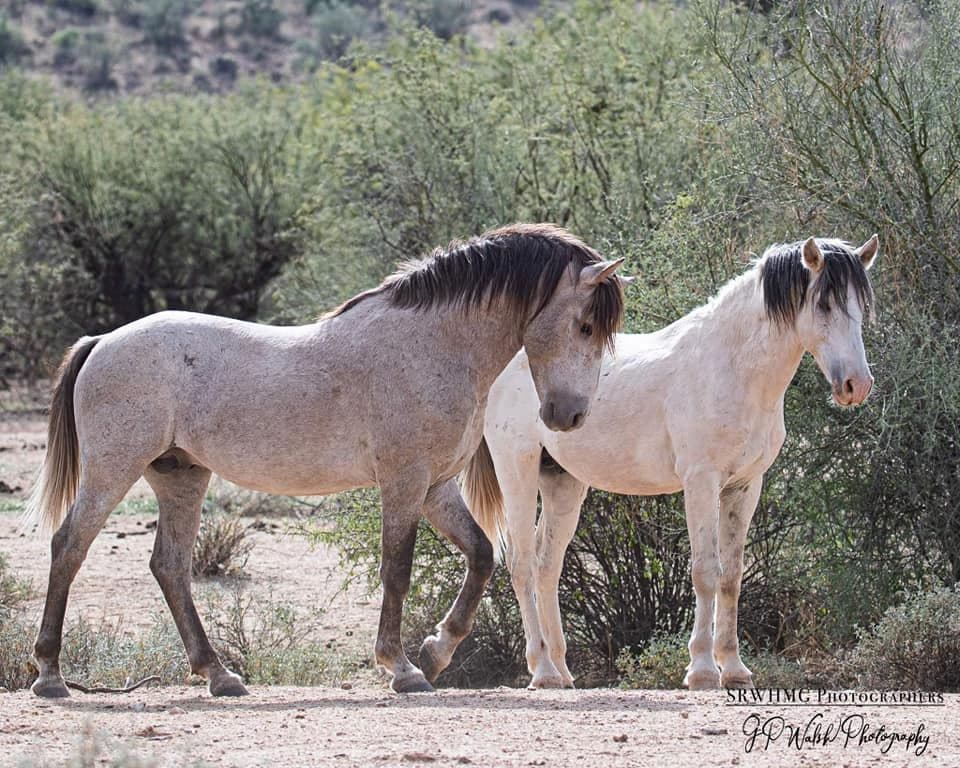
We're closely trackingbad legislation in Arizonathat would negatively impact the famed Salt River horses in the Tonto National Forest near Phoenix. Bill sponsor Rep. Kelly Townsend had publicly committed to amend her bill to ensure that it did not interfere with life-savinghumane managementactivities for the herd, but she did not do so, causing her bill co-sponsor Jay Lawrence to withdraw his support of the bill. Then she told the public that she was putting her bill on hold, only to schedule it last moment for a Rules Committee hearing yesterday at a time when the public could not fully weigh in due to COVID-19 restrictions.
Dedicated members of theSalt River Wild Horse Management Group(SRWHMG) went to the state house yesterday (observing public health guidelines), but thankfully, the hearing was cancelled after the legislature decided to focus only on essentiallegislationand adjourn by the end of the week. Big thanks to the AWHC and SRWHMG supporters who sent 8,000+ emails to Townsend and Rules committee members to object to the consideration of this controversial bill during this time of crisis. This was a powerful show of force and shows that we can make a difference even as we are staying home in the midst of the current emergency.
All this means the bill is likely dead, but we will continue to monitor closely until the session is officially over.
Meanwhile, the Salt RiverWild Horse ManagementGroup continues to providehumane managementfor these cherished wild horses under a contract with the Arizona Department of Agriculture. AWHC is grateful for all the volunteers who are out in the Tonto National Forest at all hours of the day and in all kinds of weather making sure that the horses are safe and darting horses with humane fertility control to reduce population growth, making it possible for the horses to stay in their habitat with their families.
Roundups
Helicopterroundupsare paused for foaling season, March 1 through June 30, and so these capture operationsare not currently affected by COVID-19. Holding facilities are of course continuing to care for horses, although we expect that many will be closed to the public for adoptions and sales at some point in the near future.
Field Work
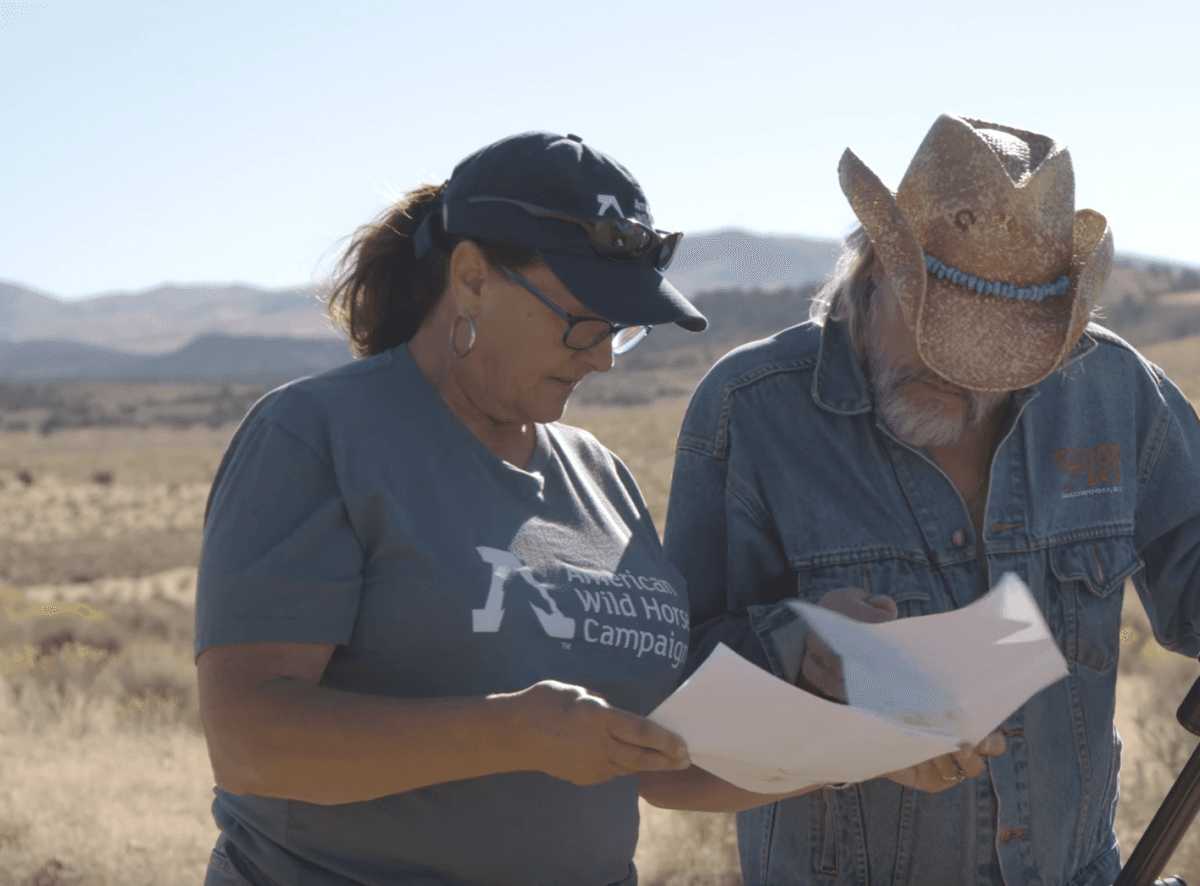
Themustangsof the Virginia Range, where we operate the world’s largest wild horse fertility control program, don’t know that there’s a public health crisis going on, and luckily COVID-19 does not affect equines! The horses are doing what they normally do at this time of year -- giving birth and breeding -- and that means our darters continue to be out in force darting horses with birth control in an effort to drastically reduce the 2021 foal crop. Fortunately, the great outdoors is one of the safest places to be during this pandemic, so our volunteers are staying busy, staying healthy and providing an important service at the same time!
Outreach Events
AWHC had a robust outreach schedule this spring, but manyeventsthat we planned, such as the Oakland Zoo’s Earth Day, have already been canceled, and others, like theWestern States Horse Expo, have been postponed. Our "Data & Darts Keeping Nevada's Mustangs Safe" event and mini-documentary screening at Patagonia in Reno will be rescheduled.Check out our events pageto stay up to date on the latest developments.
Our Focus During this Time
As outlined above, the work for wild horses and burros continues and, from our home offices, the AWHC staff continues to push forward for better policies, laws and management practices. We’ll also be delving into research, reviewing documents obtained through the Freedom of Information Act and analyzing policies and plans that impactmustangsand burros now and into the future. We’ll be sharing analyses and updates with you over the coming weeks as well as sharing opportunities for you to make a difference from the safety of your own home.
So please stay healthy, stay strong, stay safe and stay tuned. We’re all in this together!
Subscribe to our newsletter: