
PZP: Where Hope, Science, and Mustangs Meet
Fertility Control
Read time: Five Minutes
Published: January 5, 2016
Written by:
AWHC Contributor
The management of wild mustang populations in the United States is a complex issue, often involving difficult decisions about the balance between conservation and population control. In southwestern Colorado's Spring Creek Basin Herd Management Area, the use ofPZP, a fertility-control vaccine, offers a promising solution. This article explores the impact ofPZPon mustang populations, highlighting the efforts of advocates like TJ Holmes and the role of the Bureau of Land Management (BLM) in this initiative.
Mustang Monitoring and PZP Administration
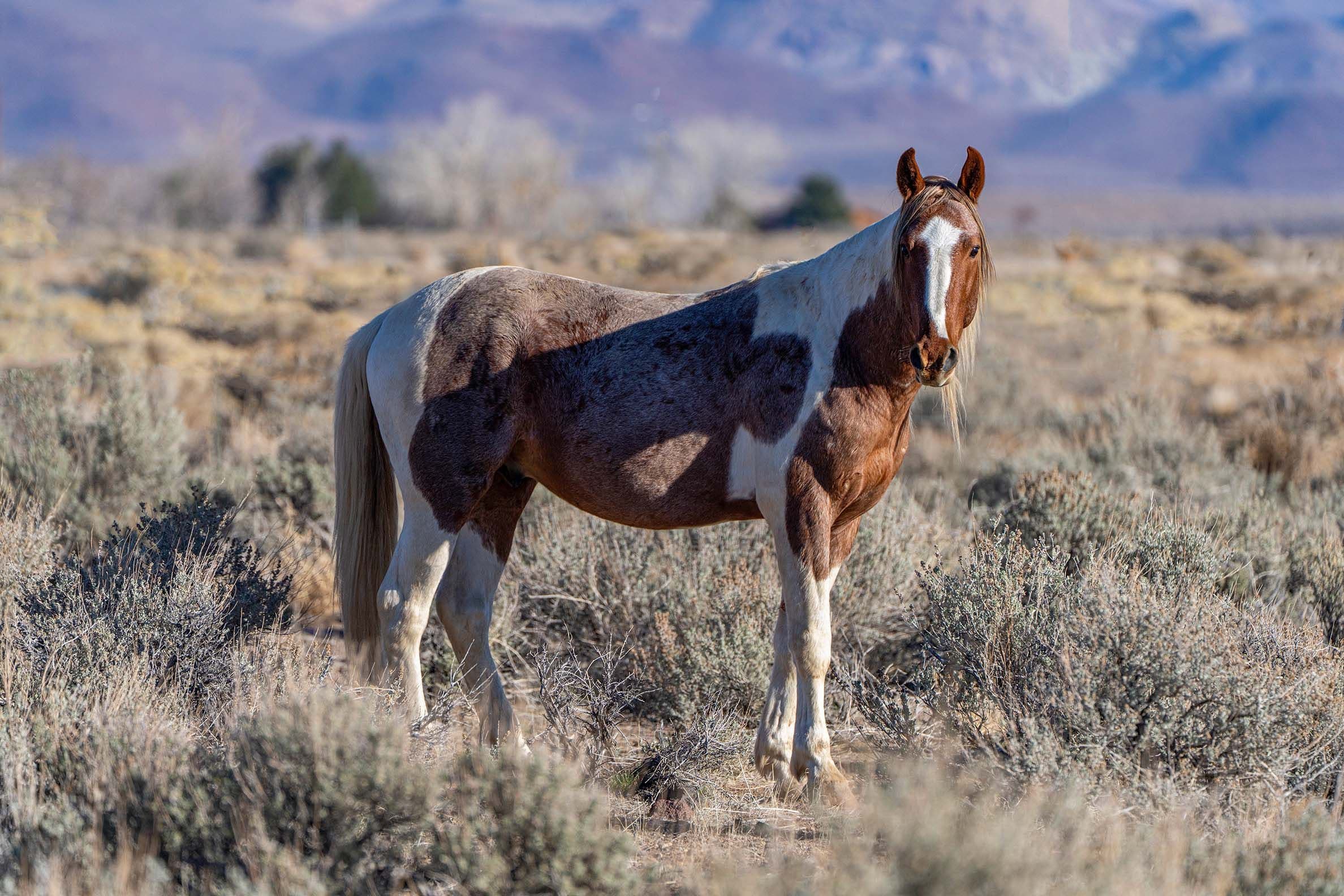
The longtime mustang advocate, TJ Holmes, and I head into southwestern Colorado’s Spring Creek Basin Herd Management Area, searching formustangs. We do this regularly. TJ has documented thesemustangsfor eight years, working in partnership with the Bureau of Land Management. A big part of her work is administeringPZP, the fertility-control vaccine (porcine zona pellucida), to the mares.
The air is heavy and smoke-filled from recent fires. Topping a rise, we seemustangssilhouetted against the hazy gray sky: three bands, each comprised of a stallion, his mares and grown offspring; and a group of young bachelor stallions. TJ recognizes each horse on sight and knows the roles each plays within the herd. I’m learning, and I see that something is missing — foals, the fillies and colts of springtime.
Population Control and Its Benefits
Spring Creek Basin has aBLM-allotted carrying capacity of 35 to 65 adult horses, and is at about 60 right now. Yet there could be 20 foals on the ground, and there are only two, one before us napping with his mama in the heat, the second far across the range. More could come this year, but even with the expected three to five foals, this herd management area will not reach maximum capacity.
That means no wild horses will be removed in 2016 or 2017, and nomustangswill head toward the overcrowded, short-term holding facility at East Cañon Correctional Complex near Cañon City.
The last BLM roundup in Spring Creek Basin took place in 2011, when 82mustangsresided in this herd management area, including 13 surviving foals (eight had died). The agency removed 40 horses, and for the next four years, TJ darted mares withPZP. Trained by Dr. Jay Kirkpatrick, senior scientist at the Science and Conservation Center in Billings, Montana, TJ usedPZPon 10 mares the first two years, which dropped foal numbers to eight in 2013, and seven in 2014. The BLM then permitted TJ to dart more than 20 mares, and what we see before us — just one colt nuzzling his dozing dam — is the result of her successfulPZPprogram.
The Science Behind PZP
PZPdoes not harm mare, fetus or nursing foal in any way, though a mare might buck or jump from the sting of a dart in her rump. Mares are not vaccinated every year; aBLMselection process based on genetics, age and herd health indicates which horses get the dart.PZP, which is reversible, causes eggs to reject sperm, though mares continue to cycle normally, with no disruption to herd dynamics or psychology. Stop the darting, and the mare can conceive again.
Public Perception and Challenges
Still, some folks opposePZP, seeing it as human meddling. But let’s face it: We’ve already meddled — digging ponds in desert soils to catch water, erecting fences to preventmustangsfrom accessing natural water sources used for generations, ending “free roaming.” Solutions presented by the public are opposing and dramatic: Reinstate slaughter practices, or do nothing at all. Both are equally terminal ideas: death in the slaughterhouse, or death by starvation.
IntroducingPZPinto a herd area is the wisest actionBLMcan take for horses, habitat and the American public. With fewer horses born, fewer roundups happen, more years pass before removal is necessary, and fewer horses are taken to holding facilities. All this saves taxpayer dollars, and for the horses, fewer are traumatized and die unnecessary deaths.
Economic Impact
Taxpayers pay about $49,000 for each mustang removed from the range and not adopted.PZPcosts about $27 per darted horse per year, and often the darters are volunteers like TJ, who works formustangs, not wages.PZPhas effectively slowed herd reproduction in Spring Creek Basin, as it has in Colorado’s Little Book Cliffs and Sand Wash Basin, and in additional herd management areas across the West.
Conclusion
Horses, reintroduced to the Americas in 1493, are here, just like the rest of us. They have reoccupied this land for 500 years. We don’t have the wherewithal to control human population, homelessness and hunger, but with a $27 injection, we could make a huge difference in life on the range.
Kathryn Wilder is a contributor to Writers on the Range, the opinion service ofHigh Country News.She hasmustangsand cows and lives in Dolores and Disappointment Valley, Colorado.
Originally Posted By High Country News
Subscribe to our newsletter: