
Sandoval Administration's Plan to Transfer Virginia Range Horses Sparks Controversy
Wild Horse Management
Read time: Four Minutes
Published: December 8, 2017
Written by:
AWHC Contributor
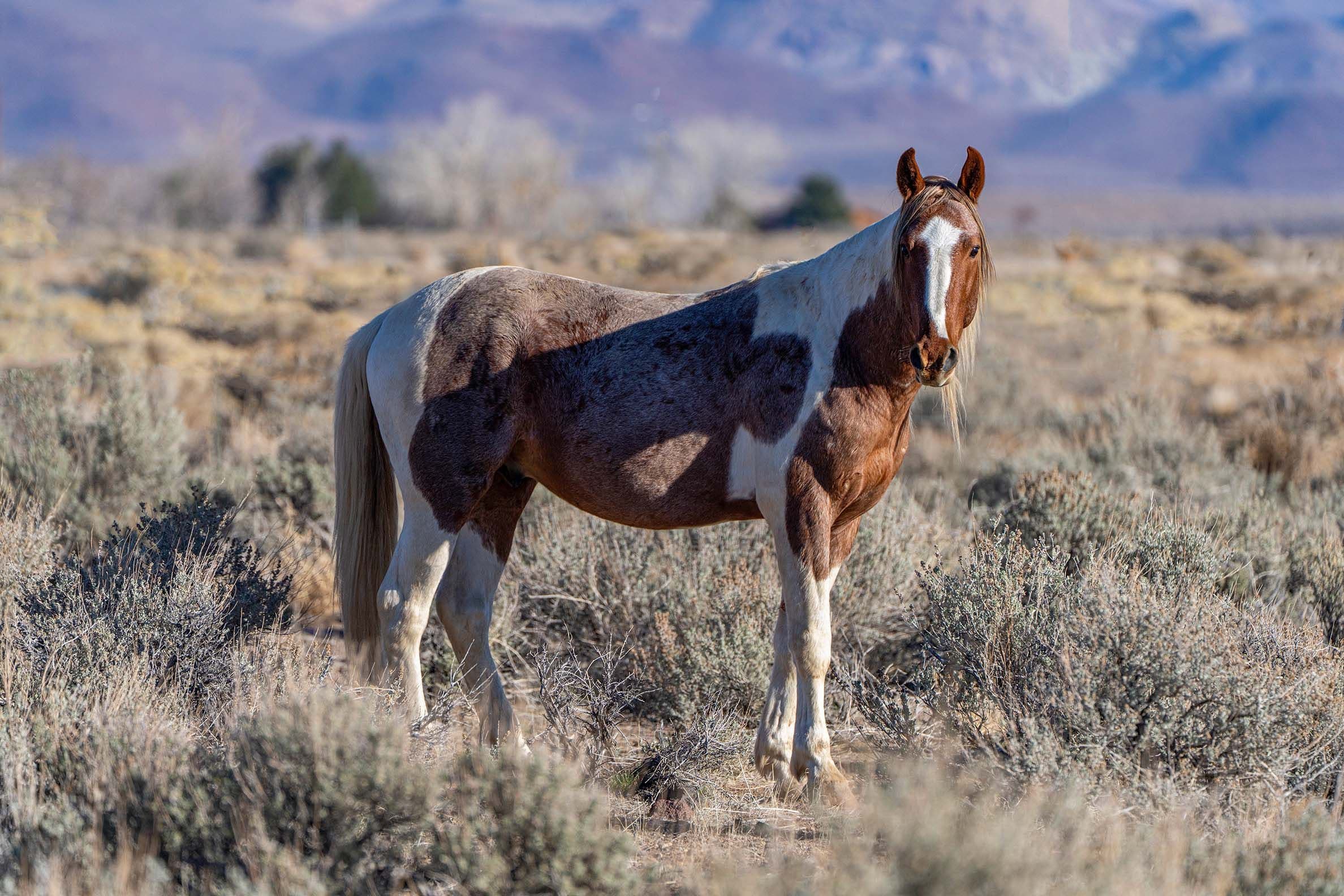
December 8, 2017 -- Reno, NV --The American Wild Horse Conservation (formerly American Wild Horse Campaign) is urging Governor Brian Sandoval to halt a state-supported proposal to transfer ownership of all 3,000Virginia Range horsesto a private non-profit organization. AWHC warns that this move could endanger the horses and raises significant legal issues, as current state laws do not seem to allow for such a broad transfer of horses to a private owner.
On Tuesday, December 12, 2017, at 8 a.m. PT, the Nevada Board of Agriculture, appointed by Governor Sandoval, will vote on a proposal to direct the NDA to transfer ownership of allVirginia Range horsesto a "non-profit animal advocate organization through a request for proposal process." This vague definition could allow organizations that support horse slaughter, like Protect the Harvest, to take ownership of these historic horses. Although legally defined as "feral/estraylivestock" by Nevada Revised Statute (NRS), these horses are essentially wild and free-roaming, lacking federal protections.
"The transfer of ownership of 3,000Virginia Range horsesjeopardizes this historic and locally cherished mustang population and does not reflect the values of the majority of Nevadans who want wild horses protected," saidSuzanne Roy, executive director for the AWHC. "This transfer endangers the future and well-being of these cherished and historic animals. We call on the Governor and the Board of Agriculture to kill this proposal and initiate discussions to revise and resume the Cooperative Agreements that have effectively reduced the number of horses on the range by at least 500 over the past four years."
Currently, the State of Nevada, through the NDA, is responsible for managing theVirginia Range horses. The horses’ habitat is shrinking due to development, and the state's decision to abruptly terminate the birth control program, previously implemented under AWHC's Cooperative Agreement, sets the stage for the horse population to grow. This growing population, combined with shrinking habitat, increases the likelihood of horses moving into urban areas, raising public safety concerns.
AWHC had entered into two Cooperative Agreements with the State for managing theVirginia Range horses. The first required the state to notify AWHC when it removedVirginia Range horsesfrom the wild and give AWHC the first right to purchase the horses before they were sent to slaughter auctions. The second agreement related to the management of theVirginia Range horseson the range, including the birth control program.
On October 25, 2017, AWHC received a termination notice from the NDA for both Cooperative Agreements. This termination means that NDA is no longer legally required to notify humane horse organizations whenVirginia Range horsesare removed from the wild and sent to slaughter auctions. It also halted a successful humane birth control program that reduced the reproductive rate ofVirginia Range horsesby approximately 27 percent in 2017.
Over the past four years, AWHC has been directly involved in rescuing approximately 250Virginia Range horses, preventing nearly 150 births in 2017 and an estimated 200 pregnancies in 2018. The number of horses removed from the range since the Cooperative Agreements have been in effect has decreased year after year, with more than 116 horses removed in 2014, 44 in 2015, 35 in 2016, and even fewer in subsequent years.
The AWHC Cooperative Agreements have, since 2013, effectively reduced the Virginia Range horse population by approximately 600 horses out of an estimated population of 3,000.
Although the Nevada Board of Agriculture approved the cooperative agreements with AWHC, many of its members have previously discussed ways to bring horse slaughter back to Nevada and considered makingVirginia Range horsesavailable for slaughter. Polling shows that 71% of Nevadans oppose slaughtering wild horses, and 63% of voters are less likely to vote for a candidate who supports killing the state’s iconicmustangs.
TheAmerican Wild Horse Conservation (formerly American Wild Horse Campaign)is dedicated to preserving American wild horses and burros in viable, free-roaming herds for generations to come, as part of our national heritage. Its grassroots mission is endorsed by a coalition of more than 60 horseadvocacy, humane, and public interest organizations.
Subscribe to our newsletter: