
Tensions Escalate Over Nevada's Wild Horse Controversy
Wild Horse Management
Read time: Three Minutes
Published: April 6, 2014
Written by:
AWHC Contributor
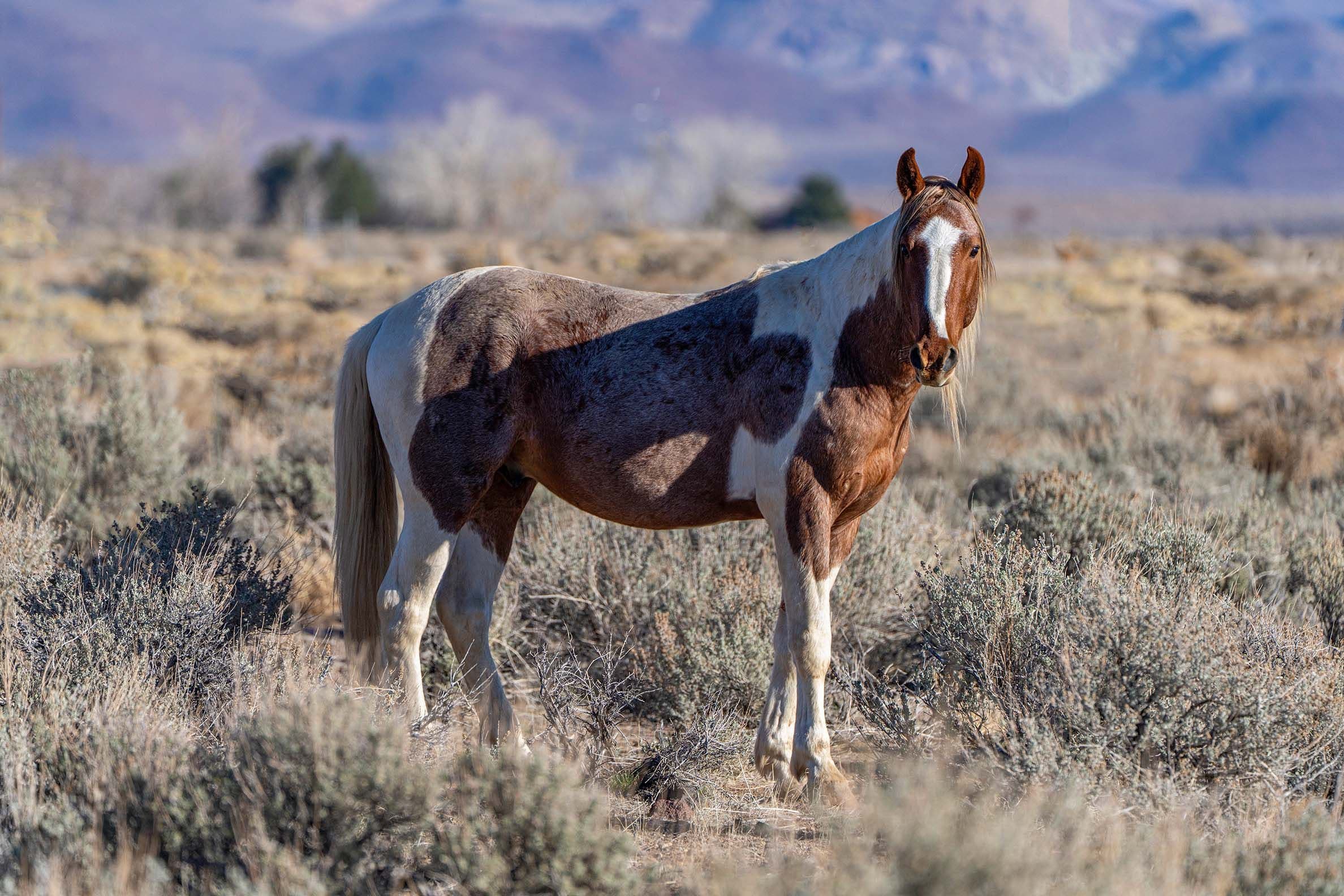
Tensions have reached a boiling point in the ongoing conflict over wild horses in Nevada, a dispute that has simmered for decades. This battle pits animal advocates against ranchers, with the U.S. Bureau of Land Management (BLM) caught in the middle. The issue centers around the management of public lands stretching from Nevada to Wyoming, where wild horses andlivestockcompete for limited resources.
TheBLMrecently began seizing cattle from a rancher accused of trespassing on public land in southern Nevada. This action followed an agreement to remove wild horses from the range in southwest Utah after local officials threatened to intervene independently.
Wild horse advocates argue that the government is excessively rounding upmustangswhile allowinglivestockto graze at taxpayer expense on overgrazed rangelands. Conversely, ranchers claim the government fails to control horse populations that double every five years, while targeting cattle operations that have existed for over a century.
TheBLMfaces challenges due to budget constraints, overflowing holding pens, and the controversial nature of horseroundupsor potential slaughter. The agency began removing cattle from Cliven Bundy, who has been grazing without permits for over 25 years, claiming the land belongs to Nevada, not the federal government.
Bundy has vowed to fight back, stating, "These people are thieves. I haven’t even started fighting yet. You think I’m going to lay down and just give up. I’m going to fight for the Constitution and state sovereignty."
BLMspokeswoman Kirsten Cannon explained that the agency is enforcing federal court orders to remove Bundy's cattle after numerous attempts to resolve the issue outside of court. The plan involves removing approximately 900 trespassing cattle from 1,200 square miles of land managed by theBLMand the National Park Service over the next few weeks.
Bundy estimates that at least 100 federal agents and personnel, many armed, have gathered around his ranch, which his family has operated since the 1870s. He insists, "I’ve tried to stop them for 20 years. I’ve tried to be legal in the courts. I’ve tried to do it politically and through the media. Now, it’s about down to having to do it as ‘We the people.’"
This conflict has roots in the 1980s Sagebrush Rebellion, where ranchers challenged federal ownership of Nevada rangelands. In recent years, horse advocates have taken legal action to blockroundups, citing the Wild Free-Roaming Horses and Burro Act of 1971. However, ranchers have renewed their efforts, with the Nevada Farm Bureau Federation and Nevada Association of Counties suing the government to increaseroundupsand potentially sell excessmustangsfor slaughter.
In Utah, Iron County commissioners threatened to gather mustangs themselves, citing threats tolivestockand wildlife on drought-damaged rangelands.BLMState Director Juan Palma expressed a commitment to collaborate with the county to develop a plan for reducing horse numbers.
"Both theBLMand Iron County have a shared interest in the well-being of the range and all who rely on its health. Additionally, we share an interest in the well-being of sustainable populations of our wild horses," Palma wrote in an email.
For more details, visit theoriginal articleby the Associated Press.
Subscribe to our newsletter: