
The Fascinating World of Wild Burros
In The Wild
Read time: Four Minutes
Published: May 14, 2015
Written by:
AWHC Contributor
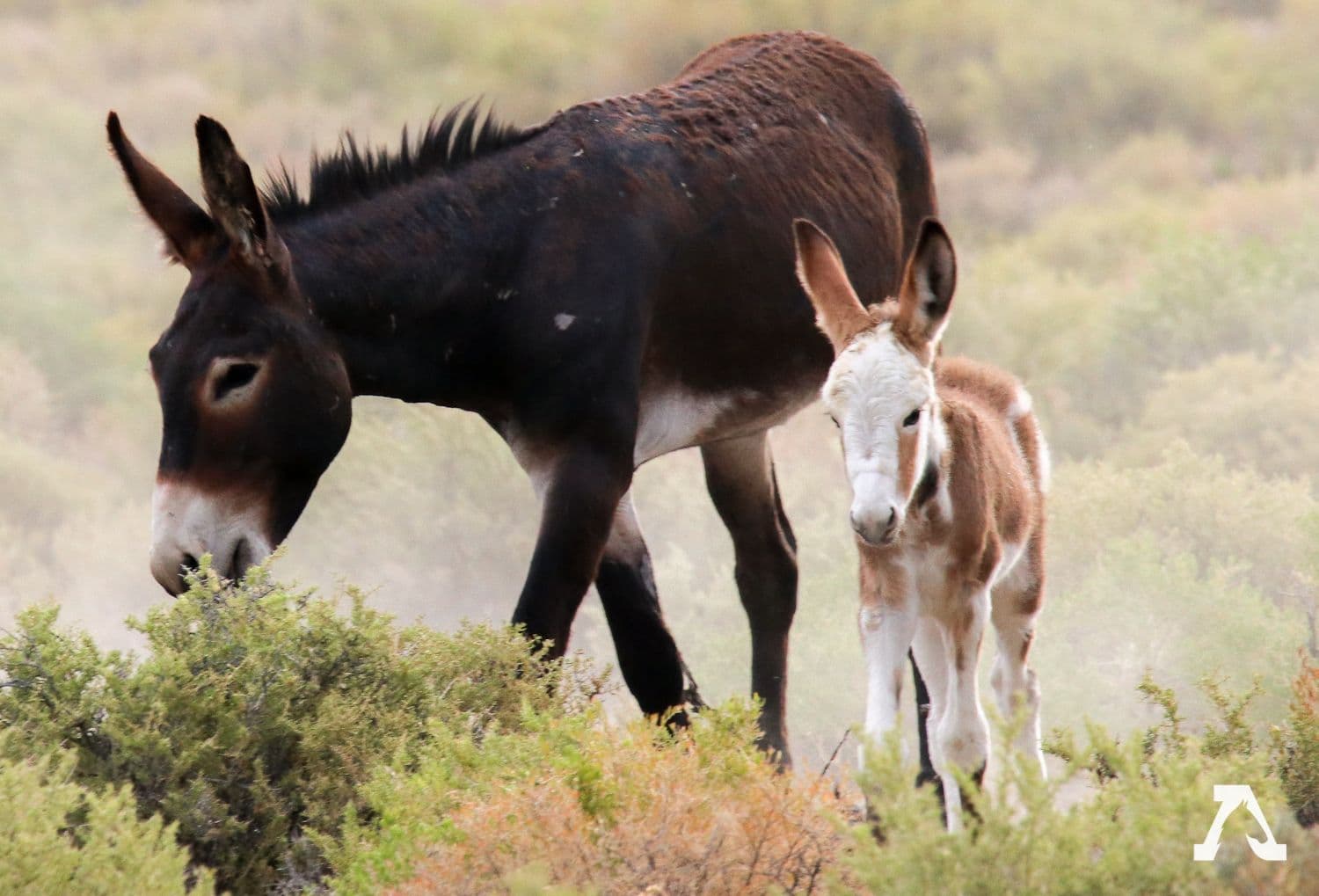
Wild burrosare often overshadowed by their equine cousins, the wild horses, but these remarkable animals are equally deserving of our attention and respect. As living symbols of the historic and pioneer spirit of the West,wild burrosenrich the lives of the American people and contribute to the diversity of life forms within the nation.
History
Burros, members of the Equidae family, were originally from Africa and introduced to the Desert Southwest by Spaniards in the 1500s. The term "burro" comes from the Spanish word "borrico," meaning donkey. Today, mostwild burrosin the U.S. reside in Arizona, where they have been present since 1679. They were brought by Jesuit priest Padre Eusebion Kino to the Spanish mission at San Xavier del Bac near Tucson. Burros played a crucial role in the exploration and settlement of the West, serving as pack animals during the Gold Rush and surviving harsh conditions that claimed the lives of many pioneers.
Description
Wild burrosare characterized by their long ears, short mane, and a variety of colors, including black, brown, gray, red roan, pink, and blue. The most common coloring is gray with a white muzzle and underbelly. They average 44 inches in height and weigh about 500 pounds at maturity. Male burros are called jacks, while females are known as jennies.
Their African ancestors evolved into two groups with distinct markings: the Nubian Wild Ass, with a dorsal stripe and a horizontal shoulder stripe forming a cross, and the Somalian Wild Ass, with leg stripes. These markings are still visible in today'swild burrosand domestic donkeys.
Wild burroshave a lower protein requirement than wild horses and possess tough digestive systems that efficiently process desert vegetation. They can survive on a wider variety of plant species and endure long periods without water, thriving in harsh desert conditions.
Burros are highly intelligent and, unlike wild horses, tend to assess situations before fleeing from danger. They can defend themselves with powerful kicks and are known for standing their ground against threats, making them excellent guard animals in domestic settings.
In the wild, U.S. burros do not exhibit the band structure or herd behavior of wild horses. Individual jacks establish territories around water sources, and the only stable groups are females and their foals. According to Dr. Patricia Moehlman, an African wild ass expert, this behavior is due to the scarcity of water in their habitats. In areas with more water, burros form stable harem groups similar to wild horses.
Jennies typically have one foal per year, with births peaking in May, June, and July.
Mismanagement
In the 1950s, wild horses and burros became targets for ranchers who viewed them as competition for vegetation needed by livestock. They were hunted, mistreated, and often sold for slaughter. In 1971, public outcry led to the Wild Free-Roaming Horses and Burros Act, which protected these animals on Bureau of Land Management (BLM) and Forest Service lands. However, theBLM's management methods, primarily involving inhumaneroundupsand removals, continue to threaten their populations.
In 1974, theBLMestimated 15,000wild burrosroamed the West. Today, fewer than 9,000 remain, often rounded up to make room for livestock grazing and other commercial uses of public lands. Unfortunately, burros on National Park Service land are not federally protected and have faced extermination efforts in areas like the Grand Canyon and Death Valley.
Roundups
While wild horseroundupsreceive significant attention, burroroundupsoften go unnoticed. Burros, making up only 17 percent of the wild horse and burro population, react differently to helicopterroundups. Unlike horses, burros often scatter to avoid capture, leading to more brutalroundups. Former NBC News correspondent Lisa Myers highlighted this issue in her piece, "Cruel or Necessary? The True Cost of Wild HorseRoundups."
Burro Awareness Month
Established in 2012 by the American Wild Horse Conservation (formerly American Wild Horse Campaign), Burro Awareness Month occurs in May, celebrating these resilient icons of the American West. We invite you to explore and appreciate the stories of these remarkable animals.
Subscribe to our newsletter: