
The Real Reason Wild Horses Are Being Managed Into Extinction
Wild Horse Management
Read time: Two Minutes
Published: February 16, 2016
Written by:
AWHC Contributor
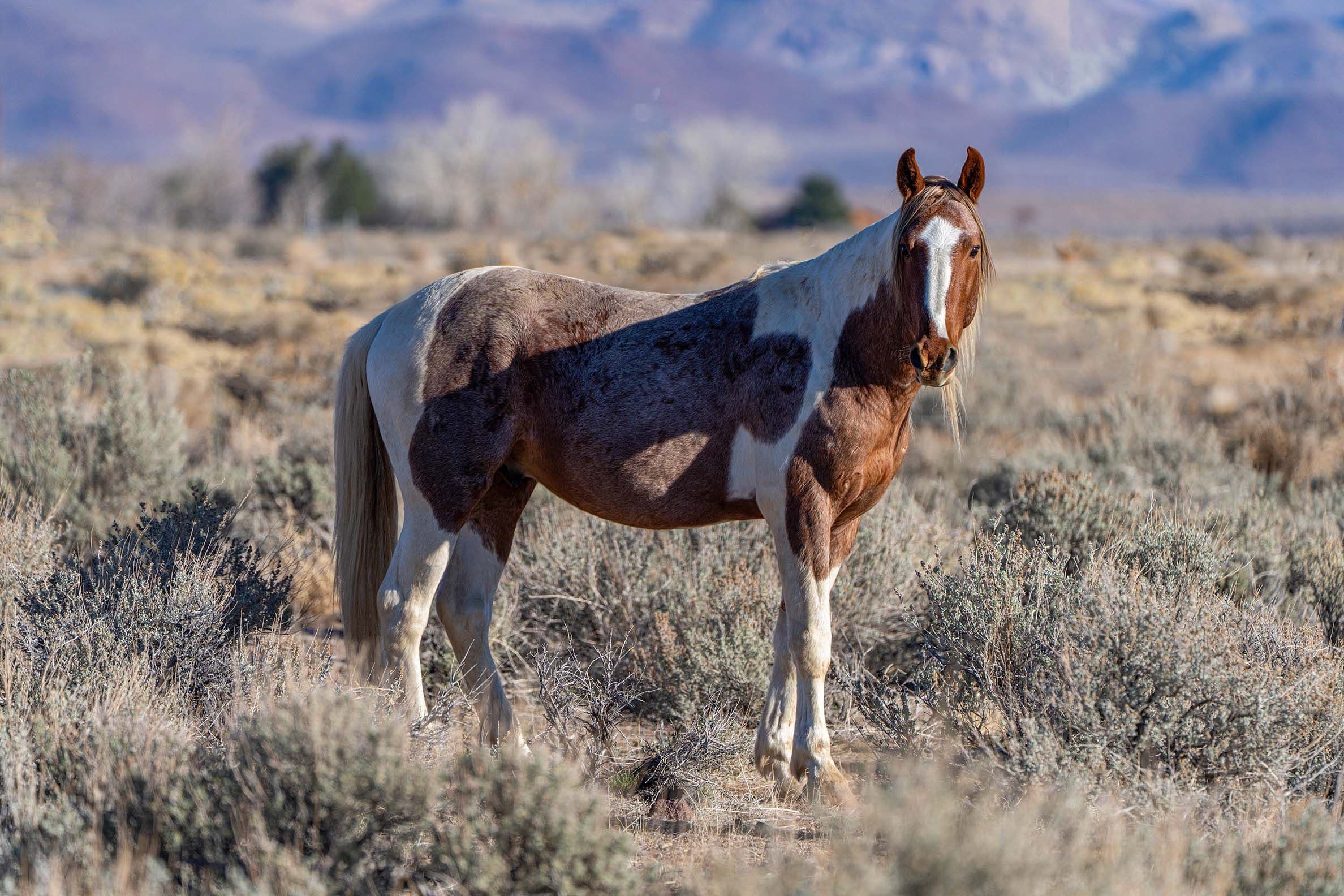
The Bureau of Land Management (BLM) is tasked with protecting wildlife on U.S.public lands, yet its management of wild horses has been fraught with controversy. The practice of rounding up horses using helicopter-driven chases has been condemned by animal protection groups. In Defense of Animals (IDA) describes these operations as physically torturous, indiscriminately affecting young, old, and pregnant horses forced into violent stampedes over dangerous terrain.
TheBLMclaims these roundups are necessary and humane, but wild horse advocates report otherwise. Laura Leigh of Wild Horse Education has observed numerous violations of humane handling provisions, witnessing broken legs, barbed wire injuries, and even helicopters striking horses.
Many captured horses are auctioned off for horse meat, despite the Wild Free-Roaming Horses and Burros Act (WFRHBA) of 1971, which aims to protect them as symbols of the West's pioneer spirit. TheBLM's actions seem to disregard this federal law.
The real reason for the decline of wild horses is their competition with cattle ranchers for public land. The American Wild Horse Conservation (formerly American Wild Horse Preservation) reports that privatelivestockvastly outnumber wild horses, with a ratio of fifty to one. AWHP director Suzanne Roy highlights the overpopulation oflivestock, not horses, onpublic lands.
Wild horses are just one group endangered by the meat and dairy industries. Deforestation and habitat loss driven by these industries' demand for land and resources contribute to the sixth mass extinction event. Earth has lost 52% of its wildlife in the last forty years, and the situation will worsen unless we reduce our consumption of animal products.
One Green Planet advocates for conscious consumerism, suggesting that our food choices can heal the food system, support species survival, and promote sustainability. By choosing more plant-based foods, we can reduce our carbon footprint, conserve water, and help wild horses remain on their native lands.
For more information on the cattle industry's impact on wild horses, readWhat Do Your Food Choices Have to Do With Saving Wild Horses?
Originally posted by One Green Planet
Subscribe to our newsletter: