
The Red Desert Roundup: BLM's Controversial Wild Horse Removal
Roundups
Read time: Two Minutes
Published: October 9, 2020
Written by:
AWHC Contributor
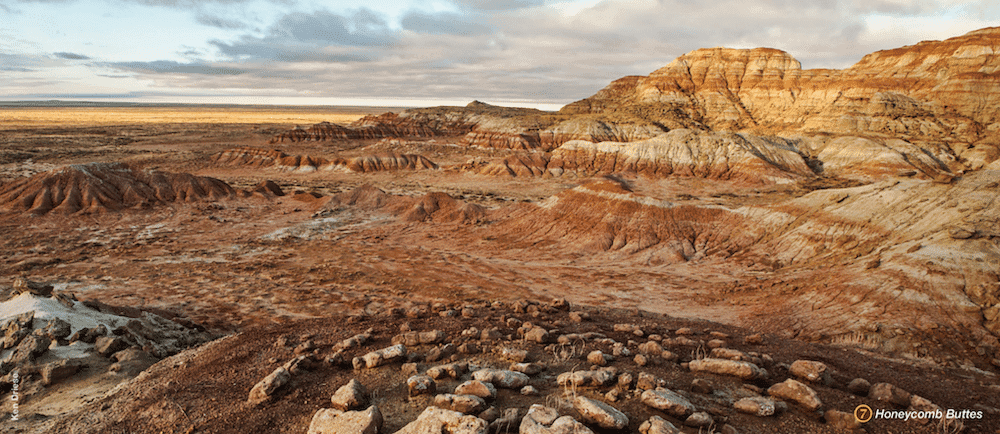
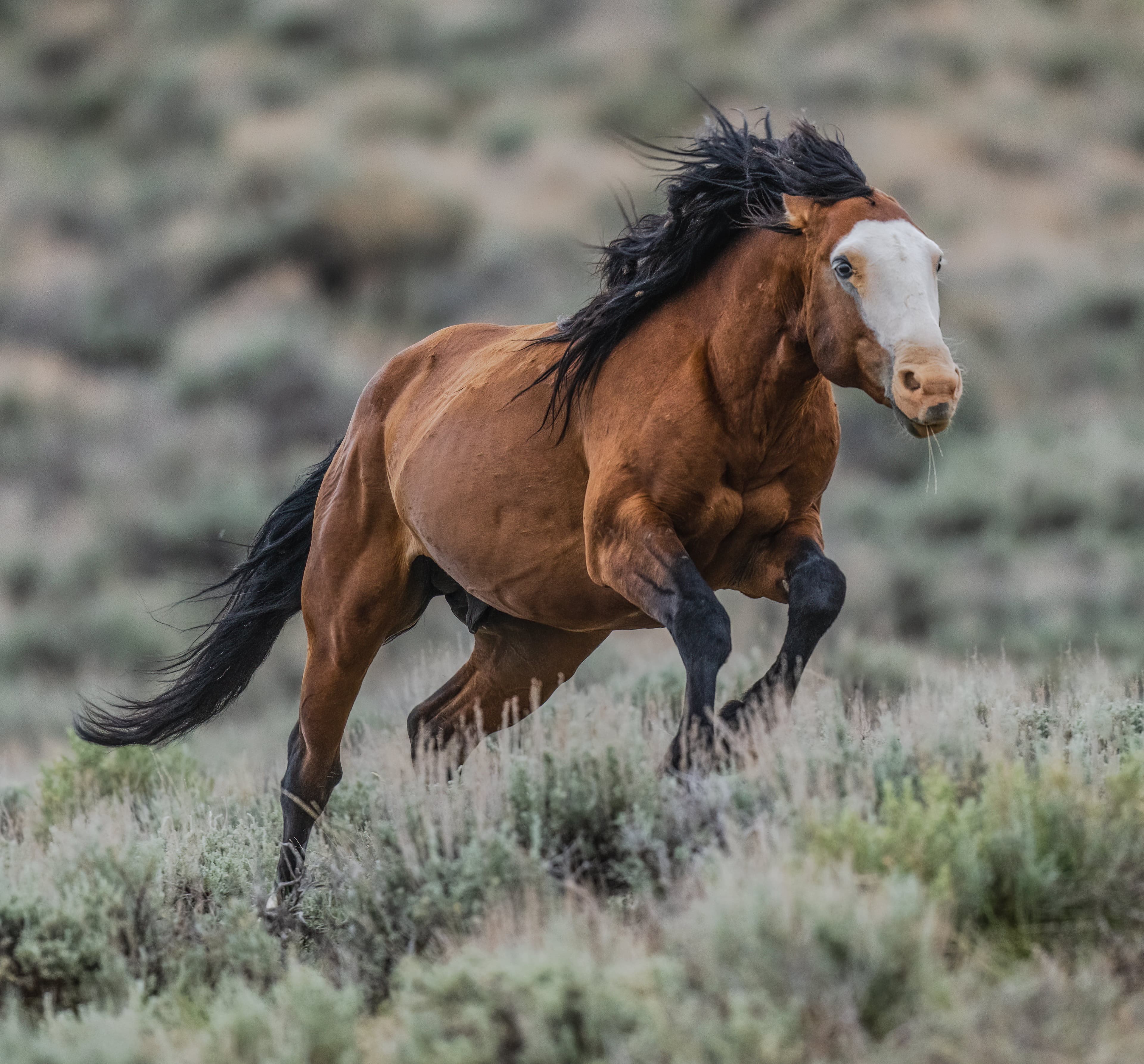
The Red Desert of southern Wyoming is a unique high-desert ecosystem, home to diverse wildlife and federally protected wild horses. This vast area, covering 9,320 square miles, is a sanctuary for five historic wild horse herds: Antelope Hills, Crooks Mountain, Green Mountain, Lost Creek, and Stewart Creek. Together, these herds and theirHerd Management Areas(HMAs) form the Red Desert Complex, encompassing 703,500 acres of public land and 49,500 acres of private land.
BLM's Massive Roundup Plan
In September, the Bureau of Land Management (BLM) announced a significant helicopter roundup and removal of approximately 2,400 wild horses from the Complex in October. According to the American Wild Horse Conservation (formerly American Wild Horse Campaign), this represents the largest removal in the history of theBLM’s Wild Horse and Burro Program.
Impact on Wild Horse Populations
TheBLMaims to reduce the wild horse population to the “Appropriate” Management Level (AML) of just 480-724 horses within the complex, leaving three HMAs with only 65 or fewer horses each. At the lower end, this equates to one horse per every 1,500+ acres.
Livestock vs. Wild Horses
Meanwhile, theBLMpermits 20,995 privately-owned sheep and 9,763 cows to graze on the various allotments throughout the year within these federally-designated wild horse habitats.
Economic and Environmental Costs
This roundup will cost taxpayers $2.4 million to remove these beloved horses, with a lifetime cost of $55 million to house them in government holding corrals. Soon, finding horses in this area will be challenging, leaving behind tax-subsidized cows and sheep where iconic wild horses once roamed.
Subscribe to our newsletter: