
The Sterilization of Wild Mustang Mares: A Controversial BLM Project
Wild Horse Management
Read time: Three Minutes
Published: February 2, 2016
Written by:
AWHC Contributor
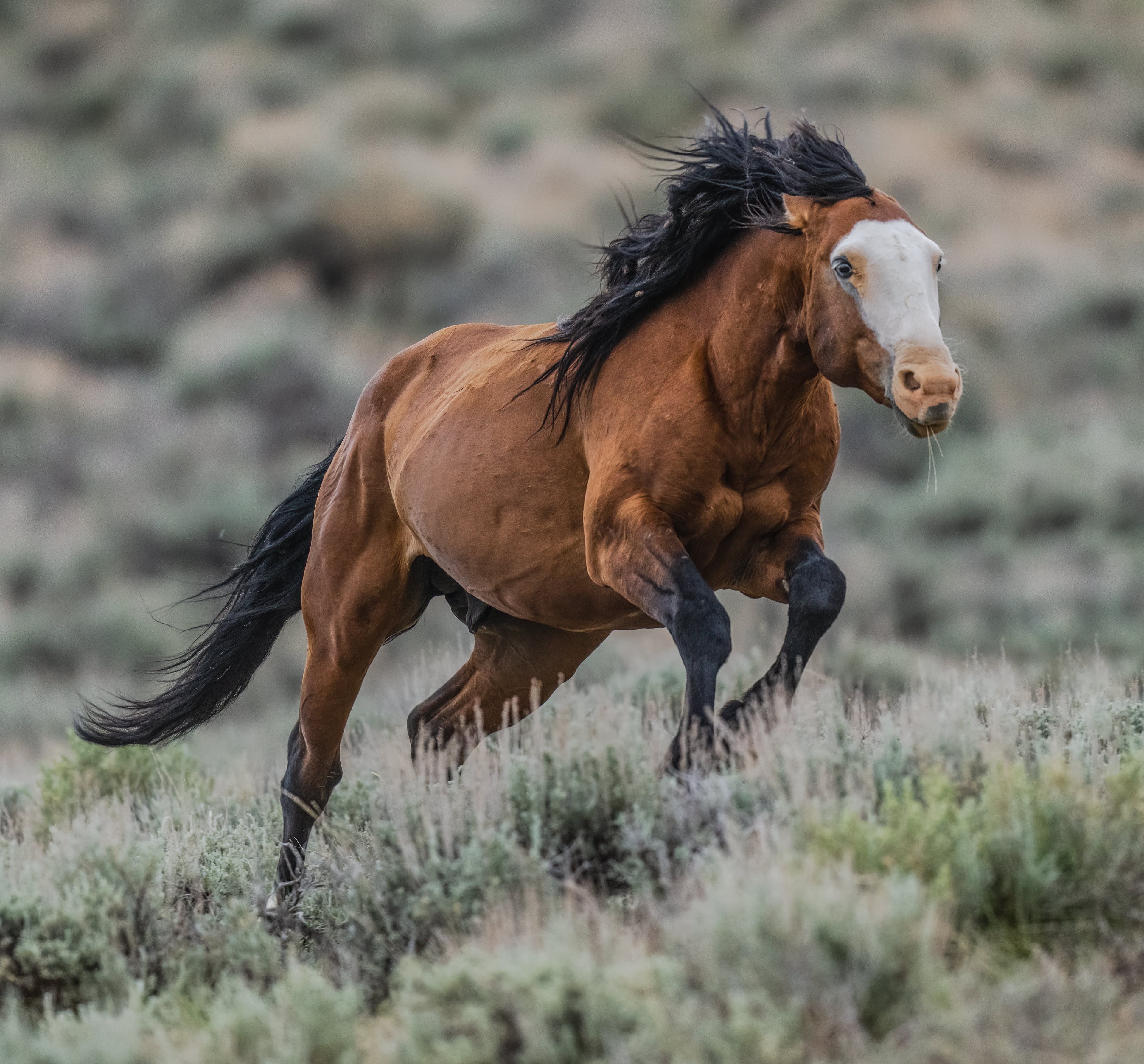
The Bureau of Land Management (BLM) is planning asterilization of wild Mustang maresat its Wild Horse Corral Facility in Hines, Oregon. The project, called Mare Sterilization Research, involves collaboration with Oregon State University to experiment on the best procedure to sterilize wild mares. According to theBLM, this project responds to a 2013 recommendation from the National Academy of Sciences to develop new or improve existing population growth suppression methods for wild horses, in accordance with The Wild Free-Roaming Horses and Burros Act of 1971. This explanation, however, raises many questions about the necessity of the experiment, and there are numerous considerations to be addressed. Thepublic can contact the BLMby February 3, 2016, to voice their opinion.
Concerns Over Anesthesia and Procedure
The first point to consider is the physical aspect of this project. Under any circumstances, putting any animal under anesthesia is precarious. Will the project only consider non-pregnant mares, or will it be a non-discriminatory action? This is not mentioned in the newsletter. In adomestic situation, the sterilization of maresis very rare. It is a complex operation requiring a period of recuperation at the veterinary hospital before the mare can be taken home. Once home, they need to be attended to for several weeks with barn rest and care. In contrast, the castration of stallions is a relatively simple operation with a timely recovery period.
Impact on Wild Mares
According to theAmerican Wild Horse Conservation (formerly American Wild Horse Preservation), at least 100 mares, of whom 75 will be pregnant, will be subject to a procedure known as an ovariectomy. It is not mentioned if the mares will be under anesthetic. Unlike the domestic situation, these mares will be turned out into corrals after surgery with open incisions. Two other less intrusive procedures have never been performed on horses, domestic or wild.
Public Opposition and Overpopulation Claims
Protect Mustangsnotes that the overpopulation claims made by theBLMare fraudulent and based on inaccurate information. They argue that there are no excess wild horses on public land, thus questioning the need for this sterilization project.Public landsare maintained by tax dollars, and this project should be put on a ballot for the public to decide.
Herd Dynamics and Public Lands
This project does not take into account the impact on herd dynamics. It is not a situation to be taken lightly. The WildMustangsare an American icon and belong to the citizens of the United States, as do thepublic lands. They do not belong to cattle ranchers to feed their stock; these are business people taking advantage of the situation.
Milwaukee area residents do have a voice in whether this project should be allowed. The deadline to act is February 3, 2016.
Originally posted by Examiner.com
Subscribe to our newsletter: