
This Federal Bureau Wants to Slaughter Tens of Thousands of Wild Horses
Wild Horse Management
Read time: Two Minutes
Published: January 26, 2018
Written by:
AWHC Contributor
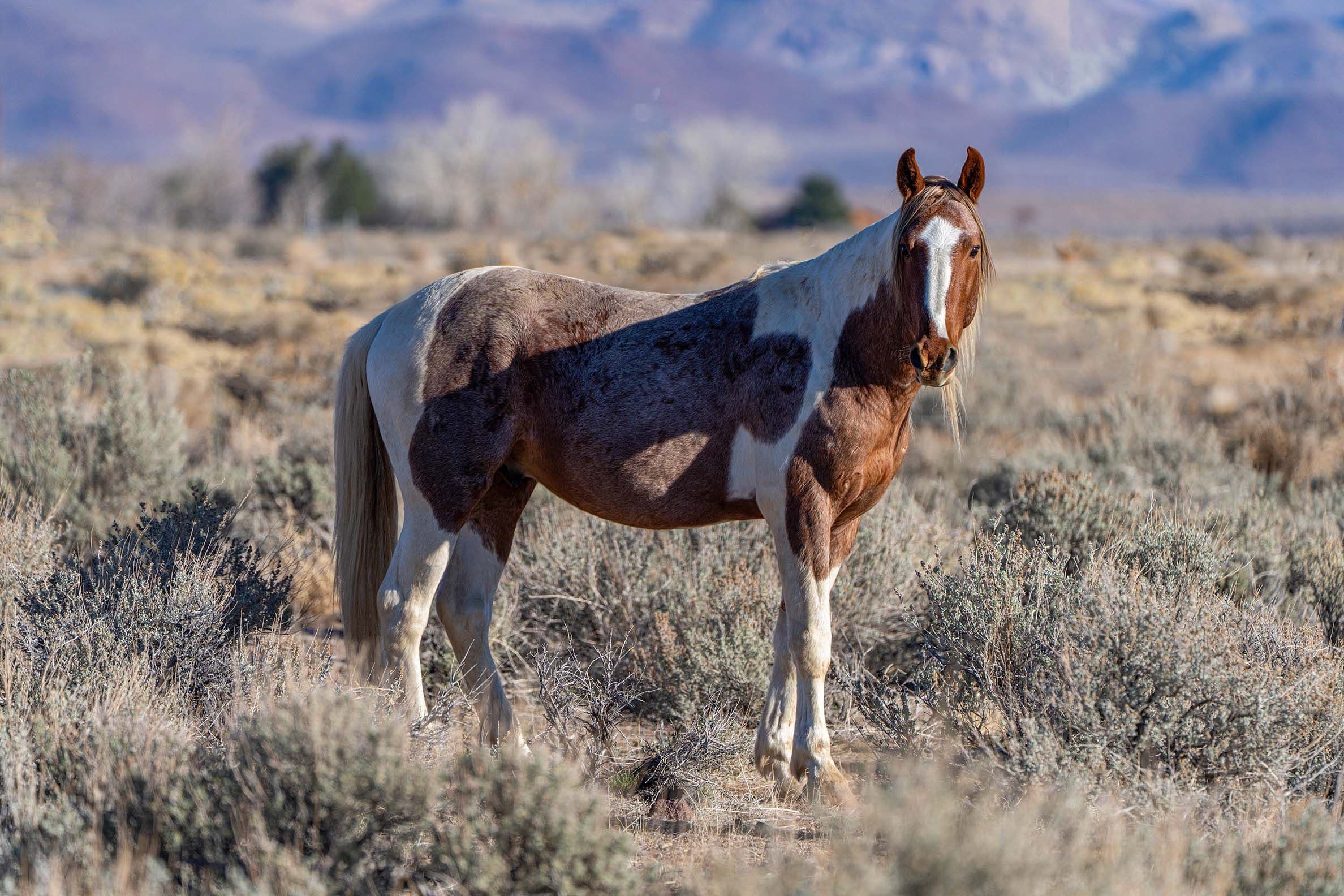
Thousands of wild horses' lives are at stakeas the government considers ways to control their population and limit their impact onpublic lands. The U.S. Bureau of Land Management (BLM) is at the center of this controversy, proposing regulations that could lead to the slaughter of these iconic animals. This move has sparked significant debate among animal rights activists and the public.
Already, many animal rights activists have taken issue with theBLM's tactic of herding wild horses with helicopters and sometimes confining them permanently to expensive holding facilities. Now, that same federal agency is petitioning for new regulations and budget allowances that would enable the slaughtering of those animals.
The idea is disturbing, yes, but the issue is not so simple.According to ABC News, there are approximately 75,000 wild horses living onpublic lands, most of them located in government-controlled territory in the American West. Without natural predators, their numbers have greatly expanded in the last half-century, putting them in conflict with others who use the natural resources on that federal property.
At this time, theBLMleases 60 percent of its land to ranchers, who count on the grasses the wild horses eat to feed theirlivestock. Naturally, these small (and sometimes large) business owners want the horses moved off the land completely in order to keep their often thin financial margins stable and, one might guess, keep prices for domestic beef down, at the consumer level.
Already, some captured wild horses are placed into what's called the "adoption circuit," a system that allows ranchers and enthusiasts to either house or domesticate the animals on private land. But that serves to help a thin fraction of the total number of horses. The majority are herded into holding facilities.
This brewing battle in Washington points to many things: Humanity's inability to operate in sustainable ways, the problems eating meat causes the world, and our misunderstanding of ecologies (after all, it was humans who first brought horses to this continent and then mismanaged them).
More than anything else, though, it points to an ongoing war of priorities, one in which the current government seems to favor business over more universal concerns and in which bureaucracy constantly fails almost all living things — humans being the most tragic and important examples.
Originally posted by Salon
Subscribe to our newsletter: