
Where the Wild Things Are: The Sanctuary for America's Wild Horses
Wild Horse Management
Read time: Four Minutes
Published: July 6, 2017
Written by:
AWHC Contributor
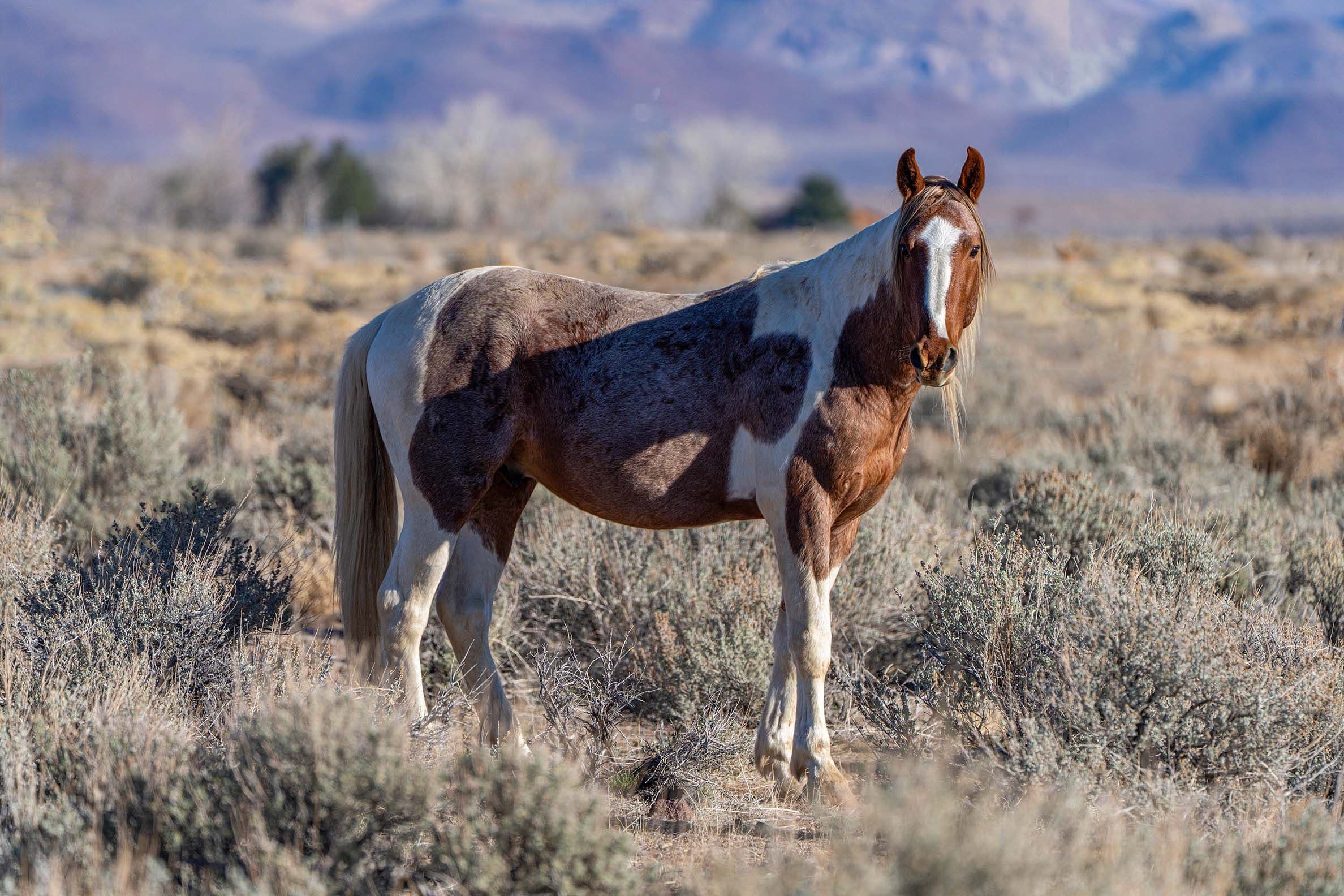
Forty-seven miles east of Bend, alongside a stream with the storybook name of Little Bear Creek, America's mythical wild horses have come to heal.
Mustangs.
They're the lucky ones—safe here, and no longer running scared. Once, there were two million spread across America. Only a small percentage remain. That's because today these horses spark controversy, especially on public lands where they compete for forage with vastly more profitablelivestock. Cows outnumbermustangsby at least 30 to 1. Seemingly endless opinions swirl on just what to do about it.
One of those opinions comes from Clare Staples-Read, a very determined English woman who recently arrived in Central Oregon, by way of Southern California, to rescue as manymustangsas she can. Despite growing up an ocean away, Staples-Read managed to fall in love with both horses and the American West—mostly by watching classic TV shows including "Little House on the Prairie" and "Bonanza."
Later, after settling in Los Angeles, Staples-Read began to research the thorny issue of where all of America's wild horses have gone. Armed with this information, and by that point, also a history of rescuing horses on her own, she decided to take definitive action. She started a mustang sanctuary known asSkydog Ranch—first in the Malibu area just up the L.A. coast—and now at a second location on 9,000 acres in Prineville.
Why come all this way?
"We have tried to focus quite a lot on saving Oregonmustangs," says Staples-Read. "So, there was a certain advantage in having a place up here which is essentially what those horses grew up with. This place mirrors very much the kind of forest and terrain they would have hadin the wild." Water is another reason. "It's unbelievable in terms of the amount of water on the ranch. We have a creek running through, and a number of lakes. That was just an enormous asset—and then the beauty of Central Oregon."
So now that she has found her Oregon oasis, the hard work begins. Turns out not everyone finds this rescue effort to be such a high priority. Many argue that the horses degrade the land and roblivestockof forage.
"A lot of horses we rescue come out of 'kill pens,' or come from auctions where they're being bid on by 'kill buyers,' or they come from abuse, neglect or starvation," says Staples-Read. (These horses are often just hours away from being shipped to slaughter in either Mexico or Canada.) "They're usually in a pretty bad way when they get here. It's amazing what a lot of love and care and good food will do to a horse."
It works both ways. Spending time around these animals quickly makes one realize they have incredible healing powers for us as well. "They've often been through such bad torment themselves and come out of it," she says. "So aside from trying to save the animals, I could see how much they were saving me in return, and other people too."
The Challenges Ahead
Unfortunately, there's no easy answer.
The federal Bureau of Land Management is in charge of protecting and managing themustangs. "There are 50,000 horses in government holding and that's not sustainable," she says. "And now they think the solution to that is euthanizing thousands and thousands of horses that they've stockpiled. They should have found a better solution years ago.
Closer to Los Angeles, celebrities have joined the cause. Stars like Jane Seymour, Gerard Butler and Rachel Hunter donate their time and effort.
Community Engagement
Here, Staples-Read is planning to officially celebrate Skydog's Prineville opening with a free afternoon event later this month, complete with hay rides and food trucks. It's a rare chance to get a hands-on look at the nearly 60 horses and other animals currently at the ranch—which is also seeking additional volunteers and sponsors, while encouraging healthy adoptions.
"A lot of people don't know we're here," she says. "We just would love people to come out and get involved and meet the people that work out here and meet the horses. We're not really set up for public visits all the time.
"Everyone here has been so kind to us. We want to give something back."
Originally posted by Bend Source
Subscribe to our newsletter: