
Wild-Horse Advocacy Group Defends BLM Management
Wild Horse Management
Read time: Three Minutes
Published: July 6, 2015
Written by:
AWHC Contributor
A wild-horseadvocacygroup that has often been at odds with the Bureau of Land Management (BLM) in the past over its management of the Pryor Mountains’ herd stepped forward last week to defend the agency.
Friends of Animals, a Connecticut-based group, sued theBLMon Friday in U.S. District Court in Montana, claiming that the agency failed to consider the combined impacts of removing 20 horses this summer and six to 12 annually in coming years, along with ongoingfertility controlto curb the birth of foals.
The lawsuit prompted The Cloud Foundation to come to theBLM’s defense.
The Cloud Foundation has been working with the BillingsBLMto develop an “on the range” management plan that does not include helicopterroundups. Instead, the horse removal is done using bait traps and targets specific horses for removal to ensure the genetic diversity and viability of the herd.
Fertility controlapplied through darting has reduced the reproduction rate from 17 to 18 percent to about 8 percent, said Jim Sparks, Billings Field Office manager for theBLM.
Paula Todd King, TCF communications director, said the main problem for the Pryor herd is a reduction in the amount of rangeland after the Forest Service and National Park Service, which border the range, fenced off their lands.
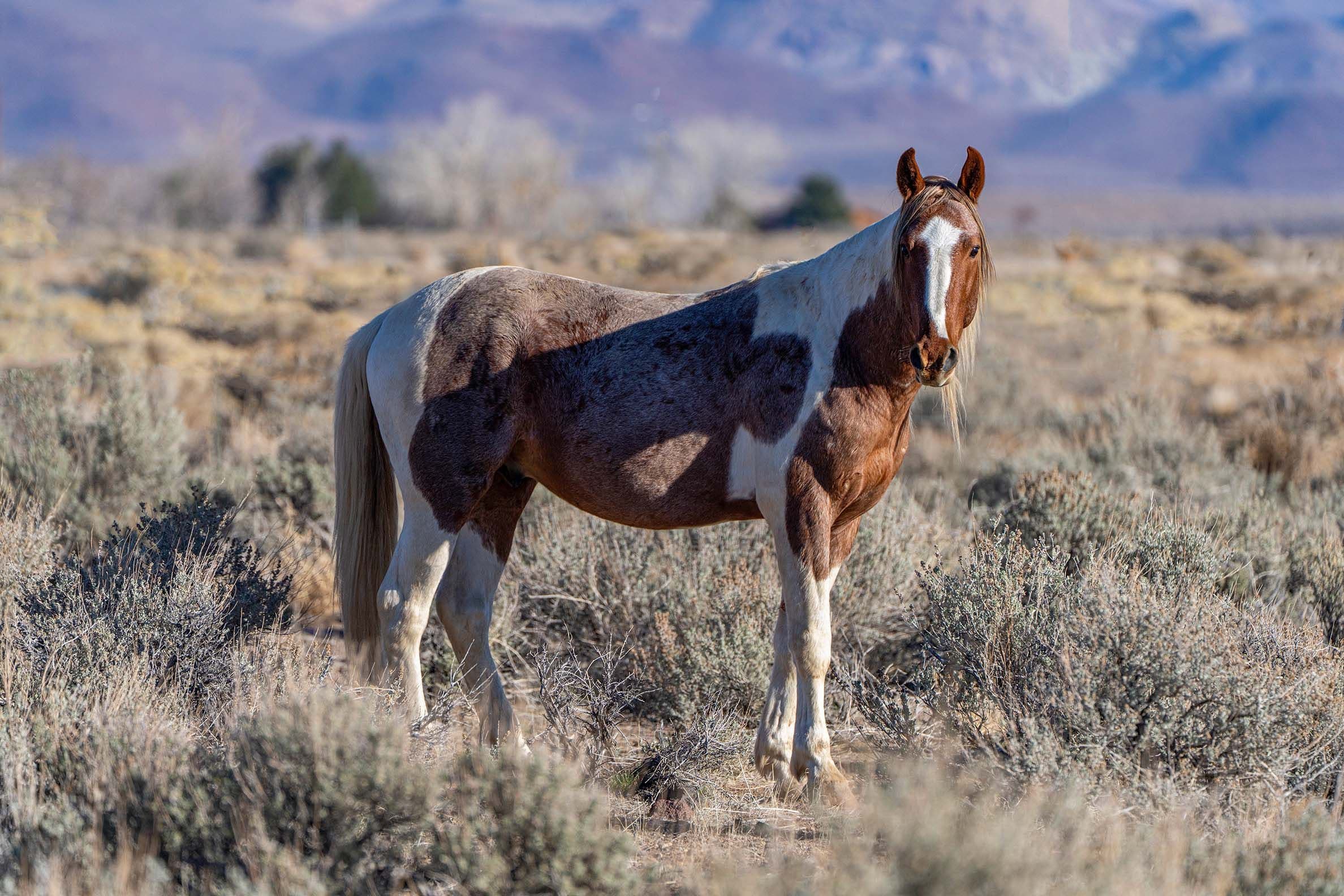
Ginger Kathrens, founder and executive director of The Cloud Foundation, has documented and advocated for the Pryor Mountain Wild Horse Herd on the Wyoming-Montana border for two decades. The herd has become famous largely because of Kathrens’ documentary films about Cloud, a pale palomino stallion.
The Pryor Mountain Wild Horse Range consists of more than 38,000 acres of desert, forest, and high mountain meadows.
In its most recent management plan, theBLMis proposing to remove 15 to 20 horses this summer using bait traps set up near water sources. The herd will remain at a genetically viable level of more than 150 horses. Only specific horses are targeted for removal to create the least impact on the herd. Horses from well-represented family lines are targeted first, so family lines and unique colors will be retained on the mountain.
There are no livestock grazing leases on the wild horse range, which was established in 1968 for exclusive use by wild horses and other wildlife. The 170-animal herd is believed to be descended from horses used by Spanish conquistadors.
Periodicroundupshave removed 700 horses from the area since 1971. The last roundup took place in 2012.
Originally Posted By Billings Gazette
Subscribe to our newsletter: