
Wild Horse Advocates Criticize Government Agency's Management of Herds
Wild Horse Management
Read time: Three Minutes
Published: October 27, 2015
Written by:
AWHC Contributor
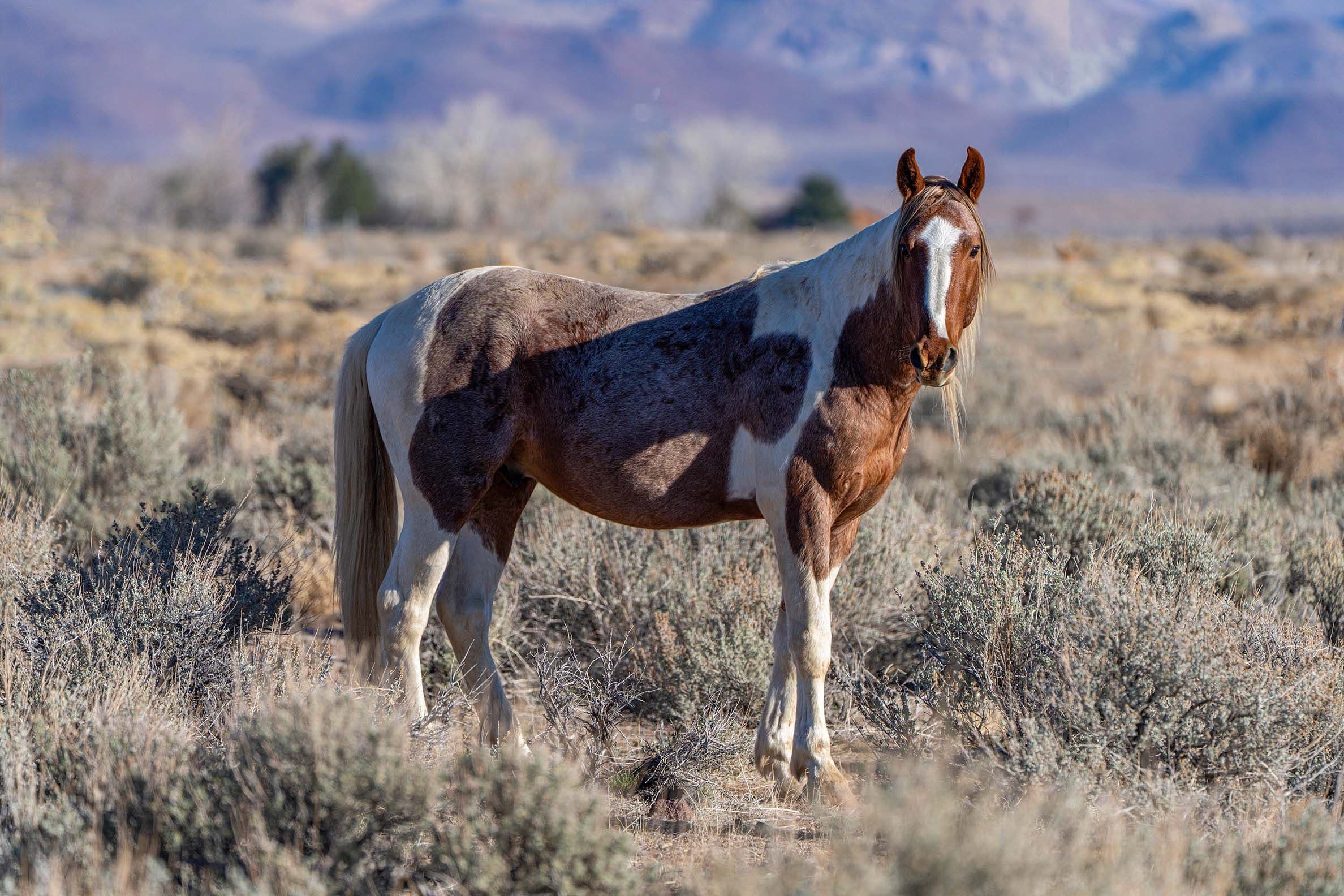
Wild horse advocates are raising concerns about the Bureau of Land Management's (BLM) handling of wild horse herds, particularly regarding sales that have led to slaughter and the agency's overall management strategies.
A report revealed that theBureau of Land Management carelessly sold mustangsto a buyer who sent them to slaughterhouses. This finding was unsurprising to advocates who believe the agency is incapable of managing the growing herds on federally protected land.
Since 1978, when theBLMfirst implemented a sales program to control herd sizes, it has been against federal law orpolicyto send wild horses sold through the program to slaughter.
"This report paints a pretty clear picture of government incompetence and a deliberate attempt to subvert the federal law that is supposed to protect the horses," saidSuzanne Roy, director of the American Wild Horse Conservation (formerly American Wild Horse Preservation Campaign).
Herds in 10 Western states, including Colorado, are growing by 20 percent or more each year. Left unchecked, they can reach a point where the land no longer supports them.
The agency's solution has been to round up thousands of horses each year. While some are adopted, most are maintained in holding facilities, where there are currently 47,329 animals.
TheBLMis running out of room and has cut back on the number of animals it rounds up.
Ultimately, the agency wants to have the ban on selling the horses to slaughter overturned, Roy said.
BLMspokesman Tom Gorey denied that charge. Congress will not fund horse slaughter, and theBLMhas no intention of selling animals to those who would have them butchered, he said.
But the report by the U.S. Department of the Interior's Office of Inspector General did little to assuage Roy's concerns.
Investigators found that Colorado livestock-hauler Tom Davis did send horses to slaughter and that theBLM"failed to follow its ownpolicyof limiting horse sales and ensuring that the horses sold went to good homes and were not slaughtered."
State and federal prosecutors have declined to press charges.
TJ Holmes, of the Colorado Chapter of the National Mustang Association, said slaughter should never be considered as a management technique. "If slaughter exists as an option, where is the incentive to develop a functioning management plan to keep the majority of wild horses wild on their home ranges?"
Beyond concerns about slaughter, Roy and others accuse theBLMof relying too much onroundupsrather than contraceptive drugs and of pandering to ranchers who graze cattle on acreage her group believes should be the sole preserve of horses.
In September, the agency rounded up 167horses in northwest Colorado's West Douglas Herd area, and inmates in Cañon City are now training them for adoption.
But not all of the horses are so lucky. In drought-stricken Nevada this summer, theBLMconducted five emergencyroundupsto save some animals from starving.
Some favor selling excess animals to so-called kill buyers, saying it is more merciful than letting them starve.
"If you are a person who thinks slaughter is the worst thing in the world, you should see how those horses are suffering out there on the range," said Callie Hendrickson, executive director of the White River and Douglas Creek Conservation Districts in Colorado's Rio Blanco County.
If there is widespread agreement on anything involving the animals protected by the Wild Free-Roaming Horses and Burros Act of 1971, it is that the present system of controlling populations is unsustainable.
Originally Posted By The Denver Post
Subscribe to our newsletter: