
Wild Horse Roundup Begins in Utah Amid Controversy
Roundups
Read time: Two Minutes
Published: July 29, 2014
Written by:
AWHC Contributor
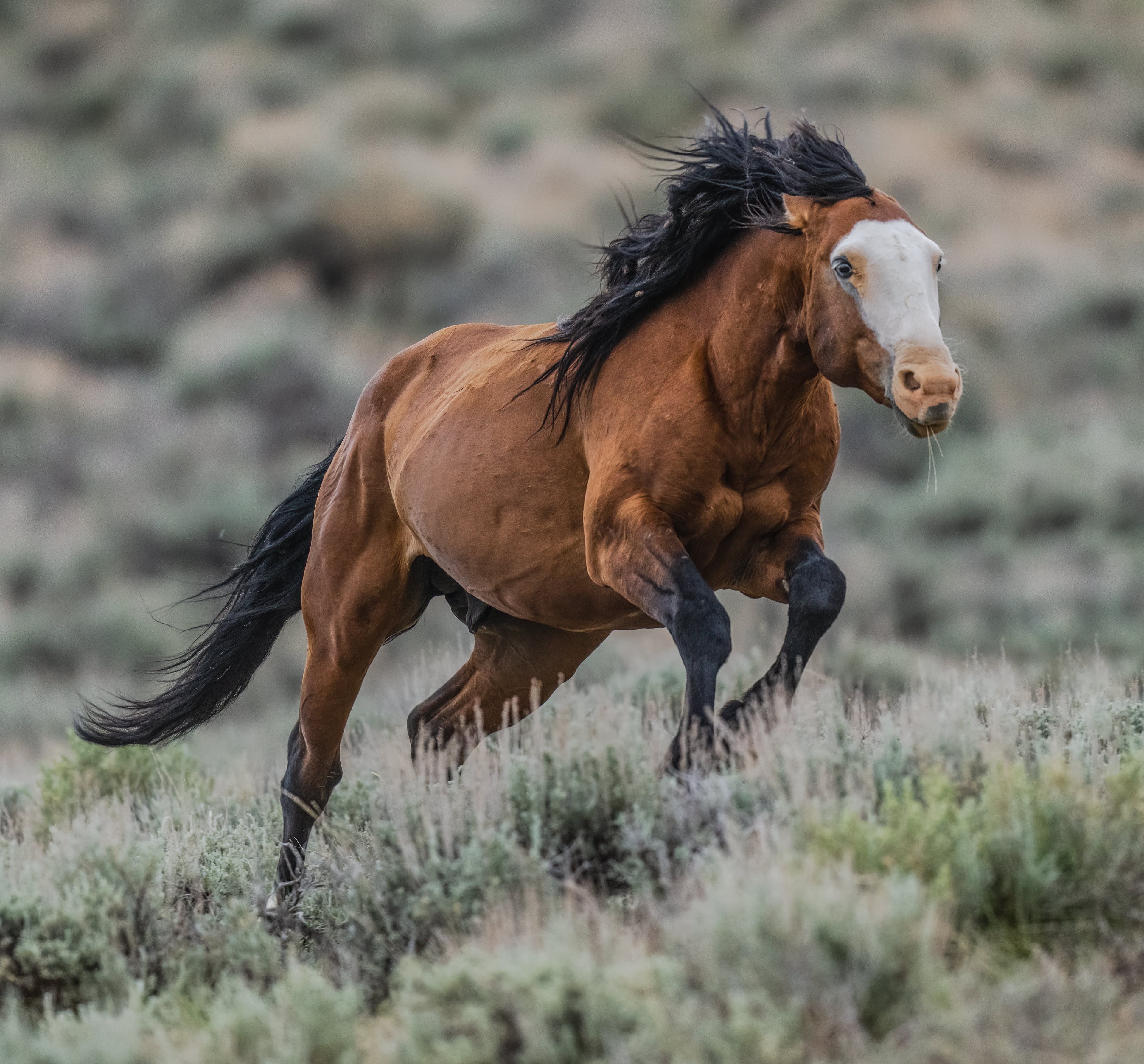
SALT LAKE CITY (Reuters)- Federal land managers have commenced the roundup of wild horses onpublic landsin central Utah. This initiative aims to reduce herd sizes and address concerns from ranchers who claim the horses damage grazing lands essential for cattle.
Utilizing helicopters, a team from the U.S. Bureau of Land Management (BLM) and contractors captured 45 horses in the Blawn Wash area near Minersville, approximately 220 miles southwest of Salt Lake City, according to agency spokeswoman Lisa Reid.
Over the next eight days, the goal is to gather 140Mustangsin Blawn Wash, one of four designated management areas in the region. TheBLM's regulations state that no horses should inhabit Blawn Wash, with the entire region capped at 170 horses. However, a recent flyover revealed 775 horses, Reid noted.
"They are really overpopulated, so taking 140 off of the range area will certainly relieve some pressure," she said.
About 21 members of the public observed Monday's operation, including activists who oppose the removals, arguing that horses are vastly outnumbered by millions of cattle grazing on public land.
Ellie Phipps Price, a member of the California-based American Wild Horse Conservation (formerly American Wild Horse Preservation Campaign), was among the observers.
The gathered horses are offered to the public for adoption and cannot be euthanized.
TheBLMestimates there are about 40,000 wild horses roaming the west, significantly more than the 26,000 that agency experts believe can be supported by the available range ecosystems.
BLMbudget constraints were expected to prevent any roundups in 2014, but a limited plan to remove about 2,500 horses from six western states was approved after 13 Utah ranchers requested a federal judge to order the agency to conduct the gathers.
Separately, Utah's Republican Congressman Chris Stewart has introduced legislation to transfer the management of wild horses to states and Native American tribes. He asserts that wild horses and burros would remain protected under his proposals, but local officials would have more control.
Originally Posted By Reuters
Subscribe to our newsletter: