
Wild Horses on BLM Adoption Tour: Is Slaughter a Threat?
Wild Horse Management
Read time: Five Minutes
Published: March 24, 2016
Written by:
AWHC Contributor
Wild horses and burros are available for adoption this year through a program hosted by the Bureau of Land Management (BLM). Their next stop is April 1 and 2 in Ewing, Illinois. According to theMt. Vernon Register News, about40 wild horseswill be available for adoption, ranging in age from one to five years old. Potential adopters must fill out an application and submit it toBLMofficials during the Friday preview hours. The horses are sold on a first-come, first-served basis, with adoption fees set at $125 for horses under three years and $25 for older ones.
Wild horses can be fully rehabilitated, but it requires effort. TheBLMmandates proper facilities for those wishing to adopt. The article outlines the requirements:
“Adopters must be at least 18 years old and provide an enclosed facility with access to feed, water, and shelter. Prospective adopters must have sturdy corrals that are at least 20-by-20 feet and 6-foot high for an adult horse, or no less than 5-foot high for horses younger than 18 months. TheBLMis committed to the safety and health of the nation’s wild horses and burros and requires that adopted animals be transported in a stock-type, step-up trailer.”
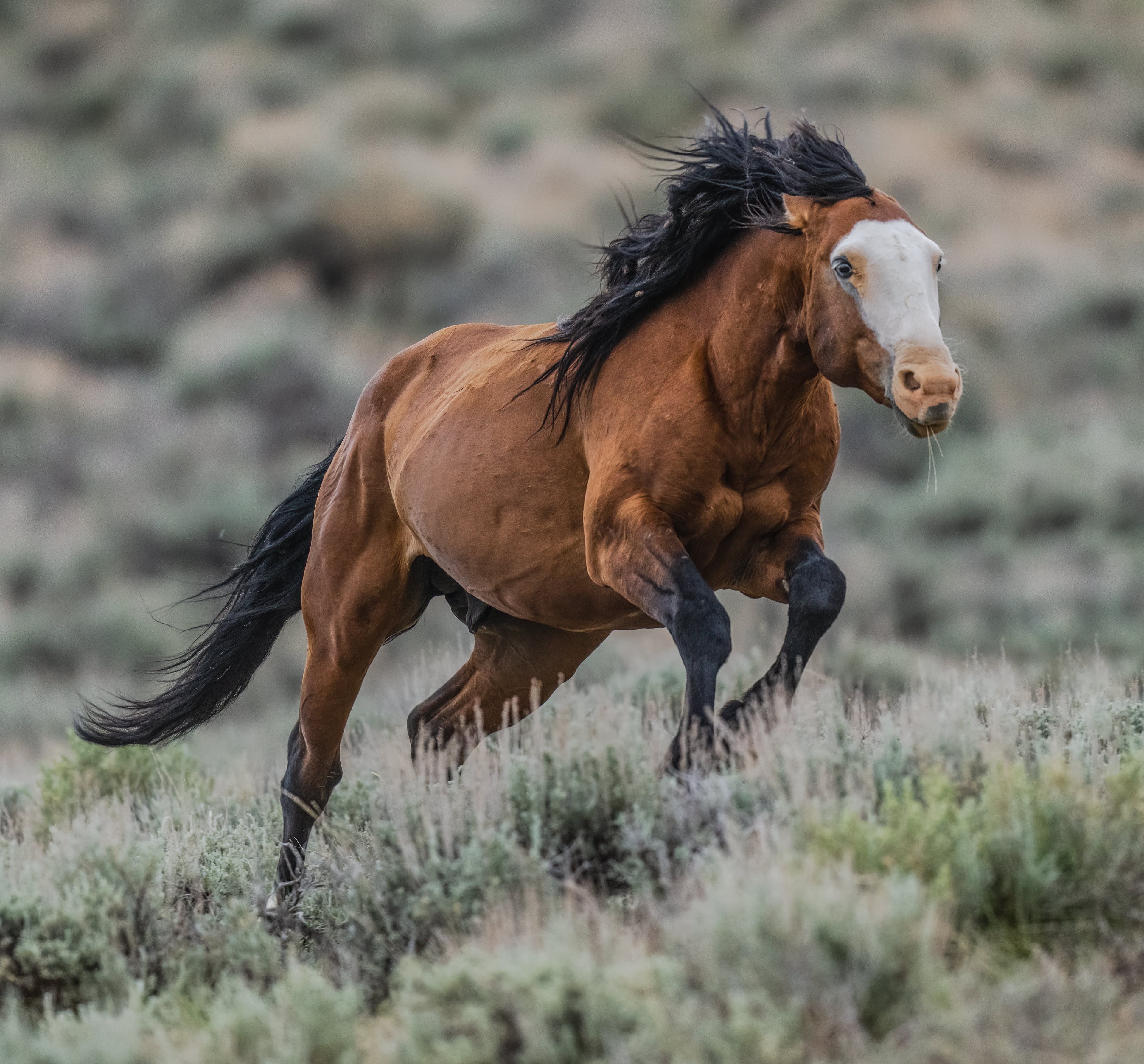
The horses areMustangs, descendants of Spanish-bred horses brought over by the Conquistadors. They include a mix of Appaloosa, paint, and likely old Morgan horse blood from individuals who escaped the cavalry, among other breeds.
In an effort to promote theadoption of BLM horses, a group of four young men from Texas created a 2015 documentary film calledUnbranded. They trained a group ofmustangsand rode them 3,000 miles from the Mexican border to Canada, showcasing the tractability and toughness of adopted wildmustangs. The film features compelling scenes, including one where a mustang loses its footing and tumbles down a mountain, only to get up and finish the trip.
Unfortunately, not all stories of theBLMmustangshave happy endings. The biggest issue may be that the supply far exceeds the demand. Madeleine Pickens, billionaire and founder of the horse sanctuaryMustang Monument, expressed in a March 21 open letter thatwild horses are vulnerable to slaughter.
“TheBLMrecently released some startling statistics; they are spending $50,000 per horse for horses in their holding facilities and, by their own estimates, there are upwards of 100,000 horses that will require this expenditure for a lifetime of standing in a holding pen or pasture far from their home ranges. This dangerous situation foretells a much larger story.”
Ms. Pickens’ concerns are not unfounded. TheWashington Timesreported in October 2015 that kill buyer Tom Davis purchased over 1,700 horses and shipped them to slaughterhouses in Mexico. Taxpayers spent $140,000 to deliver truckloads of horses to Mr. Davis. He paid $10 for each horse and made as much as $154,000 in profits byselling them for slaughter.
Davis was never prosecuted. He admitted the horses went to slaughter, but said theBLMknew it, too.
“In selling so many loads of horses,BLMhad to know that the horses would end up at the slaughterhouse.”
Pickens is concerned about history repeating itself.
“The table is being set for an argument that a massive euthanasia program is the only way we can solve the issue of overcrowding in theBLM’s wild horse holding facilities. TheBLM, through their continued stalling and failure to make any progress in the day-to-day management of our wild horses, is tacitly endorsing the notion that slaughter may be the only option.”
Budget issues are a big concern for theBLM.The Wildlife Societyreported that a March 2016 hearing covered the President’s funding requests for 2017. The burgeoning population of wild horses and burros was a topic, and one solution offered up was tospay the maresin their holding pens.
The American Wild Horse Conservation (formerly American Wild Horse Preservation) campaign showed agraphic videoon their Facebook page, stating that this type of surgery is very dangerous and not a viable solution.
Meanwhile, theBLMwill spend this spring hauling a small percentage of the captivemustangs, in an attempt to get them adopted. They have scheduledonline adoption daysas well. Future stops on the tour for adoptable wild horses include:
- 04/19 – 05/03/2016:Internet
- 04/29 – 04/30/2016:Knoxville, Tennessee
- 05/06 – 05/07/2016:Jacksonville, Florida(EMM trained)
- 05/07/2016:Ewing, Illinois
- 05/20 – 05/21/2016:Cassopolis, Michigan
- 05/20 – 05/21/2016:Lorton, Virginia
Will theBLMfind more generous landowners like Madeleine Pickens, with space to take on some herds? Or will themustangsonce again find themselves caught in the slaughter pipeline?
Horses are shipped out of the country for slaughter, as it is illegal in the United States. ThisInquisitrarticle describes how horse rescue groups are working onalternatives to slaughter.
Originally posted by Inquisitr
Subscribe to our newsletter: